Dinner · Part 2 of 3: Instructions
Authentic Turkish Adana Kebab with Charred Tomatoes & Sumac Onions Step-by-step instructions
- Prep
- Cook
- Total
- Serves
- 4
Before you start
Before you start, make sure you have all the ingredients and equipment ready. If using a charcoal grill, light it at least 30 minutes ahead so the coals are glowing and covered with white ash. If using a gas grill, preheat it to medium-high.
Prepare the sumac onions by tossing the sliced red onion with sumac and a pinch of salt; set aside. Have the lavash, tomatoes, and peppers within reach. Wet your hands before shaping the kebabs to prevent the meat from sticking.
Ingredients at a glance (10)
- 1 1/2 lb ground lamb (or boneless lamb shoulder, chopped)
- 1 red kapya pepper or red bell pepper, finely chopped
- 2 tsp pul biber (Turkish red pepper flakes)
- 1 1/2 tsp kosher salt
- 4 large lavash bread or flatbread
- 2 large ripe tomatoes, halved
- 4 green bell peppers or Turkish green peppers
- 1 red onion, thinly sliced
- 1 tbsp sumac
- 2 tbsp olive oil
Instructions
Prep and Shape
- Chop and Season the LambIf using boneless lamb shoulder, cut it into 1-inch pieces and chop with a zırh knife or pulse in a food processor until coarsely ground. Place the ground lamb in a large bowl. Add the finely chopped red pepper, pul biber, and kosher salt. Using your hands, knead the mixture for 5 to 7 minutes, pressing and folding until the meat becomes sticky and holds together. This emulsion is key to the kebab's texture.Look for The mixture should feel tacky and cohesive, not crumbly.Tip Wet your hands with cold water to prevent sticking when shaping.
- Shape the KebabsDivide the meat mixture into 4 equal portions. With wet hands, take one portion and press it around a wide flat metal skewer, forming a long, even cylinder about 8 inches long and 1 inch wide. Press the meat firmly so it adheres. Use your fingers to create traditional ribbed indentations along the surface. Repeat with the remaining portions. Refrigerate the skewered kebabs for at least 30 minutes to help them hold their shape.Look for The kebabs should be uniform in thickness so they cook evenly.Tip Soak wooden skewers in water for 30 minutes if using them.
At the end of this phase, you should have a bowl of sticky, well-seasoned lamb mixture that holds together when pressed. The red pepper and pul biber should be evenly distributed, giving the meat a speckled appearance.
The shaped kebabs should be firm and uniform, with the ribbed indentations visible. They should feel cold and solid after their time in the refrigerator.
Grill and Char
- Prepare the Grill and VegetablesHeat a charcoal or gas grill to medium-high heat (about 400°F). While the grill heats, toss the halved tomatoes and whole green peppers with 1 tablespoon of olive oil. Place the vegetables on the grill cut-side down for tomatoes, and turn peppers occasionally. Grill for 5 to 7 minutes until charred and softened. Set aside and keep warm.Look for Vegetables should have distinct char marks and be tender.Tip Grill the vegetables before the kebabs to avoid overcrowding the grill.
- Grill the KebabsPlace the skewered kebabs on the grill over direct heat. Cook for 8 to 10 minutes, turning every 2 to 3 minutes, until the internal temperature reaches 160°F (71°C) and the meat is nicely charred on all sides. The fat should render and sizzle, creating a crispy exterior while the interior stays juicy.Look for The kebabs should have deep grill marks and a slight crust.Safe temperature 160°F (71°C) internal temperature (ground meat)Tip Avoid pressing down on the kebabs to keep them moist.
- Press Lavash on the KebabsIn the last minute of grilling, lay the lavash bread directly on top of the kebabs. Press gently with tongs so the bread soaks up the sizzling juices and melted fat from the meat. Leave for 30 seconds to 1 minute, then remove the lavash and set aside. This infuses the bread with smoky, meaty flavor.Look for The lavash will be slightly toasted and stained with red juices.Tip Do this quickly to avoid burning the bread.
- Rest the KebabsTransfer the cooked kebabs to a cutting board and let them rest for at least 3 minutes. This allows the juices to redistribute. Keep the charred tomatoes and peppers warm.Look for The meat should be firm but yielding to the touch.Safe temperature 160°F (71°C) internal temperature (ground meat)Tip Resting is essential for juicy kebabs.
The grill should be hot, with vegetables charred and softened. The kebabs should be sizzling, with a deep brown crust and visible grill marks. The internal temperature should read 160°F (71°C). The lavash, pressed against the kebabs, should be warm, slightly toasted, and glistening with meat juices. The aroma of charcoal, lamb, and roasted peppers fills the air.
Assemble and Serve
- Assemble the WrapsWhile the kebabs rest, prepare the sumac onions: in a small bowl, toss the sliced red onion with sumac and a pinch of salt. Set aside. Once the kebabs are rested, slide the meat off the skewers onto a cutting board. Slice each kebab into 2-inch pieces, or keep whole.Look for The onions should be lightly coated and fragrant with sumac.Tip For extra tang, add a squeeze of lemon to the onions.
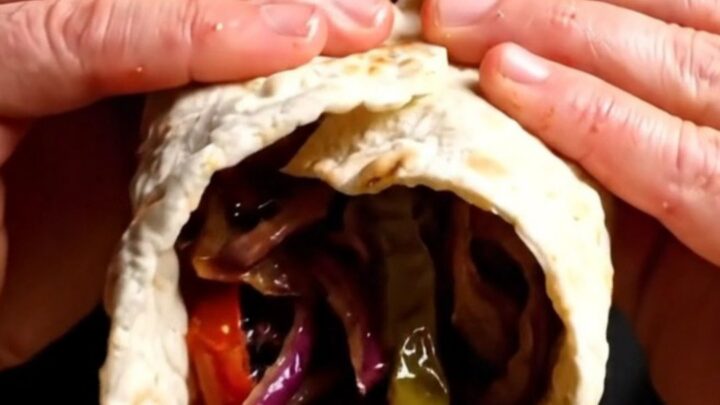
- Roll and ServeLay one piece of lavash on a plate. Place a portion of kebab pieces in the center, top with charred tomatoes, blistered peppers, and a generous handful of sumac onions. Fold the sides over and roll tightly into a wrap. Repeat with the remaining ingredients. Serve immediately, whole or sliced in half.Look for The wraps should be plump and the bread slightly toasted from the juices.Tip Warm the lavash briefly on the grill if it cooled down.
The sumac onions are bright purple and fragrant. The lavash is soft and pliable, ready to be filled. Each wrap should be rolled tightly, with the charred tomatoes and peppers visible at the ends. When you cut into the wrap, the meat should be juicy and tender, and the flavors of smoke, spice, and tang should come together beautifully.
Common mistakes
One common mistake is using lean ground meat, which results in dry kebabs. The ideal fat content is about 20%. Another is not kneading the meat enough; the mixture must become sticky to hold together.
Be careful not to overwork the meat, though, or it can become tough. When grilling, avoid turning the kebabs too often—let them develop a good crust. Also, don't skip the resting step, as it allows the juices to redistribute.
How to tell it’s done
The kebabs are done when the internal temperature reaches 160°F (71°C) on an instant-read thermometer. The exterior should be well charred and slightly crispy, while the interior remains moist and juicy.
The meat should pull away from the skewer easily. After resting, the juices should run clear. The vegetables are done when they are charred and tender, and the lavash should be lightly toasted and stained with the meat's juices.
- Ground meat: 160°F (71°C) in the thickest part
- Steaks, chops and roasts: 145°F (63°C) in the thickest part, then a 3-minute rest
Up next · Part 3 of 3
4 variations · storage & make-ahead · 5 answers · printable card
Tips, FAQ & printable recipe (Part 3)← Back to the ingredients (Part 1)