Desserts · Part 3 of 3: Tips & recipe card
Triple Chocolate Fudge Salted Caramel Brownie Bars Tips, FAQ & printable recipe
- Prep
- Cook
- Total
- Serves
- 16
Tips for success
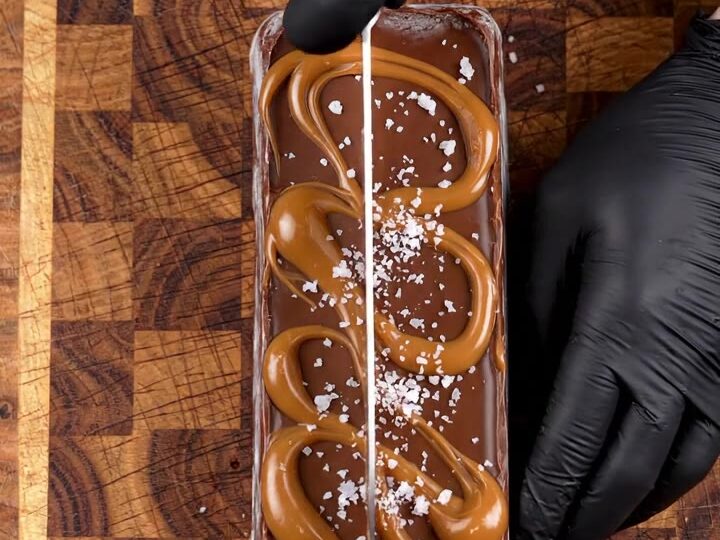
Chill the grated white chocolate for 10 minutes before topping the slab. Cold shavings hold their shape on the surface and do not melt into the caramel drizzle, so the bars look neat and sharp when sliced.
Warm the caramel just until it pours. A sauce that is too hot will soak into the batter and blur the ribbons, while one that is too cold will clump. Test a few drops on a spoon and aim for a smooth, slow flow.
Variations
- Espresso boost: Add one teaspoon of instant espresso powder to the melted chocolate and butter. The coffee note deepens the dark chocolate flavor and balances the sweet caramel without changing the texture or the cooking time at all.
- Walnut version: Replace the hazelnuts and pecans with the same weight of chopped walnuts. Walnuts add a slightly bitter, earthy note that pairs well with milk chocolate and caramel, and they toast quickly if you give them a few minutes in a dry pan first.
- Peanut butter swirl: Stir two tablespoons of smooth peanut butter into the caramel sauce before drizzling it over the batter. This adds a salty, nutty ribbon through the brownie and keeps the caramel flavor distinct from the chocolate.
- Bigger batch: Double the batter and bake it in a 9 by 13 inch pan with a slightly longer bake, checking the center with a toothpick. The bars stay fudgy in the middle, and a doubled batch is ideal for parties, bake sales or gifts.
Storage and make-ahead
- Fridge
- Refrigerate in an airtight container for up to 1 week, and bring the bars to room temperature for about 20 minutes before serving so the fudgy texture returns.
- Freezer
- Wrap individual bars tightly in plastic wrap and freeze for up to 2 months.
- Reheat
- Do not reheat these bars. Serve them at room temperature, or warm a single bar for 10 seconds in the microwave if you prefer the caramel softer.
Store the cooled bars in an airtight container at room temperature for up to 3 days, with parchment between the layers so the caramel does not stick to the chocolate.
Keep them away from heat and direct sunlight, which can soften the caramel and dull the white chocolate.
If your kitchen is warm, move the container to the refrigerator, but let the bars come to room temperature for 20 minutes before serving so the texture stays fudgy and the caramel softens again.
These bars are a good make-ahead dessert. Bake the slab up to one day before serving, cool it completely, cover it tightly and keep it at room temperature.
Add the final caramel drizzle, white chocolate and flaky salt on the day you plan to serve, so the toppings look fresh.
Slice the bars just before serving, using a warm, dry knife for clean edges. Make-ahead bars also firm up overnight, which makes them easier to cut neatly into even squares.
Serving ideas
Serve these bars at room temperature, on the wooden board or a platter, with the caramel ribbons and white chocolate curls facing up. A small pinch of flaky sea salt on each bar underlines the sweet and salty balance and looks inviting for guests.
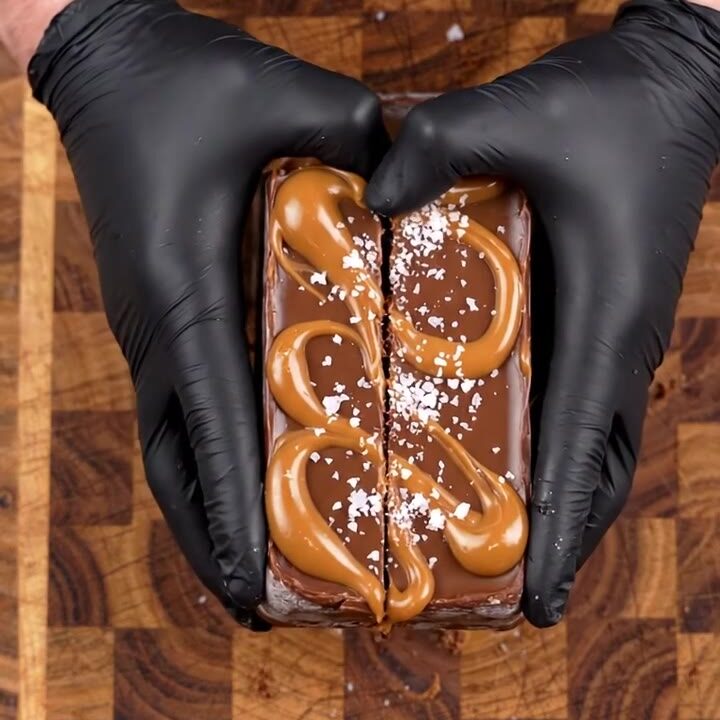
Pair them with a scoop of vanilla ice cream or a cup of coffee. The bars also suit a dessert table, where their neat square shape stacks easily and the marbled cross-section shows the dense, fudgy texture beautifully.
Frequently asked questions
Can these bars be made ahead of time?
Why are your brownies dry or cakey instead of fudgy?
Why did the caramel sink into the batter instead of forming ribbons?
Can you use a different pan for these bars?
How do you get clean, neat slices of the slab?
Triple Chocolate Fudge Salted Caramel Brownie Bars
Ingredients
- 4 oz dark chocolate, chopped
- 2 oz milk chocolate, chopped
- 1/2 cup unsalted butter, cubed
- 1 cup granulated sugar
- 2 large eggs, at room temperature
- 1 tsp vanilla extract
- 1/2 cup all-purpose flour
- 1/4 cup unsweetened cocoa powder
- 1/4 tsp fine salt
- 2 oz white chocolate, for grating
- 1/3 cup hazelnuts, roughly chopped
- 1/3 cup pecans, roughly chopped
- 20 soft caramel candies, unwrapped
- 1/4 cup heavy cream, warmed (for the caramel sauce)
- flaky sea salt, for sprinkling, to taste
Instructions
- Set the wooden board on the counter and chop the dark chocolate, the milk chocolate, the hazelnuts and the pecans with a large chef's knife into a rough pile. Cut the soft caramel candies and add them to the pile, keeping the pieces even so they bake at the same rate.
- Hold the white chocolate against the fine side of a box grater and grate it over the board. Keep the shavings separate, and grate or shave a few curls of dark and milk chocolate for garnish as well.
- Heat the oven to 350°F (175°C) and line the metal pan with parchment paper. Melt the butter with the chopped dark and milk chocolate in a heatproof bowl over simmering water, then whisk in the sugar, eggs and vanilla until smooth and glossy. Fold in the flour, cocoa powder and salt, then the chopped nuts and caramel pieces.
- Heat the heavy cream in a microwave-safe bowl for about 30 seconds, then add the remaining caramel candies and stir until melted into a smooth, pourable sauce. Let it cool slightly so it does not run through the batter.
- Spread the batter into the lined pan. Drizzle the warm caramel sauce over the top, then swirl it through the batter with a spatula or knife to form marbled ribbons. Bake for about 30 minutes, until the surface is set and the edges pull slightly from the pan.
- Cool the pan on a wire rack for at least 1 hour. Drizzle the remaining caramel across the top, scatter the grated white chocolate and chocolate curls over it, and sprinkle with flaky sea salt. Lift the slab out by the parchment and slice it into neat bars on the wooden board.
Estimated nutrition per serving
- Calories
- 340
- Protein
- 4.5 g
- Carbohydrates
- 42 g
- Fat
- 18 g
- Fiber
- 2 g
- Sugar
- 34 g
- Sodium
- 160 mg
Next recipe
Passionfruit Macadamia White Chocolate Cheesecake with Crunchy Nut Topping
See the recipe → →This recipe is based on a short cooking video and is published under the pen name Clara Weller. It was checked before publication, but errors can slip through. Nutrition, when shown, is an estimate. Read more in our editorial policy and on our food safety page.
More recipes to try
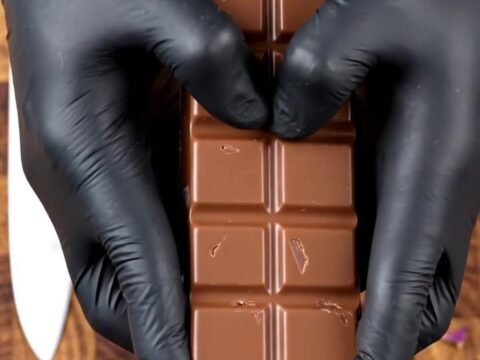
Pistachio Rose Milk Chocolate Bars with Cardamom and Candied Orange
Total time: 1 h 25 min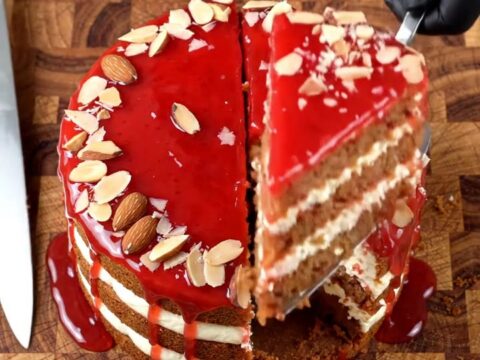
Blood Orange Ricotta Almond Cake with Glossy Glaze
Total time: 2 h 55 min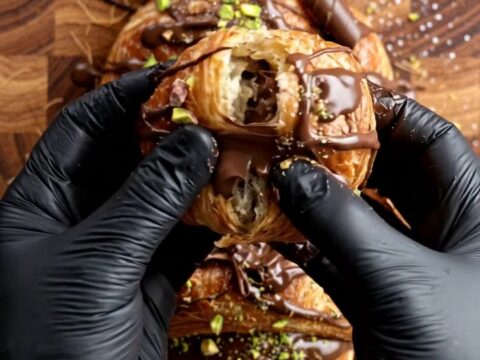
Stuffed Chocolate Pistachio Croissants with Kataifi Crunch
Total time: 40 min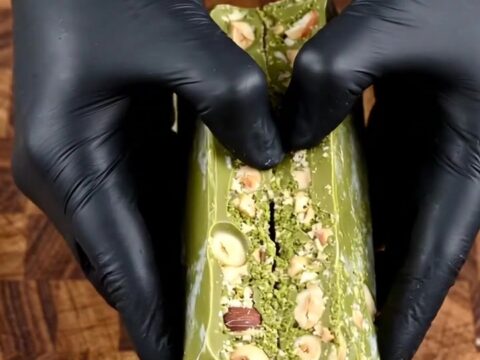
Matcha Macadamia Bark with Yuzu White Chocolate Crunch
Total time: 2 h 30 min
Cherry Amaretto Torte with Dark Chocolate Ganache Cake
Total time: 3 h 20 min