Dinner · Part 1 of 3: Ingredients
Three-Packet Garlic Butter Pork Shoulder: Slow-Cooker Set-and-Forget
- Prep
- Cook
- Total
- Serves
- 8
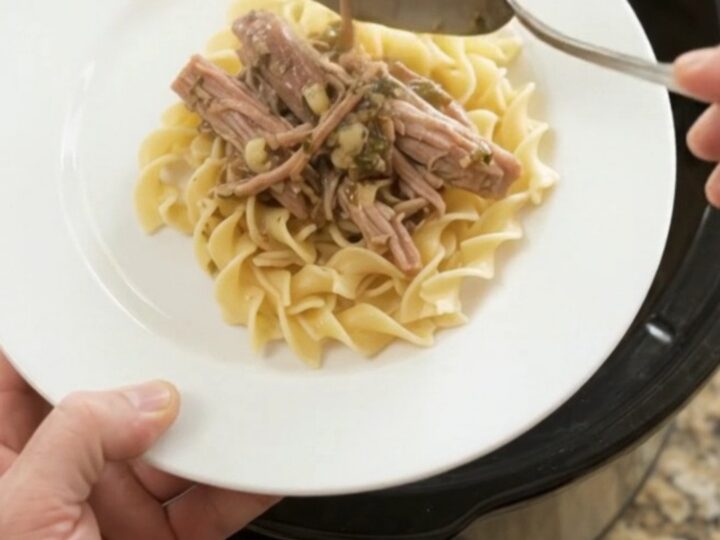
This slow-cooker pork shoulder is the ultimate set-and-forget dinner. A hefty roast gets a generous coating of three seasoning packets—ranch, Italian, and brown gravy—then gets topped with pats of garlic-herb cowboy butter. After hours of gentle cooking, the meat becomes impossibly tender, shredding into silky ribbons that soak up a rich, savory gravy. Serve it over buttered noodles for a hearty meal that tastes like it took all day to make—because it did, but without any fuss.
This recipe turns a budget-friendly pork shoulder into a showstopping dinner with almost no effort. The magic lies in the combination of three pantry staples: ranch seasoning, Italian dressing mix, and brown gravy mix. Together they create a deeply savory, herbaceous crust that melts into the meat as it cooks.
The cowboy butter—a blend of butter, garlic, and herbs—adds richness and a glossy finish. After 8 hours on low, the pork is fall-apart tender, and the juices become a luscious gravy. It's a perfect Sunday supper or a make-ahead meal for busy weeknights.
Ingredients
- 4 lb boneless pork shoulder roast (Boston butt)
- 1 oz dry ranch seasoning mix (1 packet)
- 0.7 oz zesty Italian dressing mix (1 packet)
- 0.87 oz brown gravy mix (1 packet)
- 4 tbsp garlic-herb compound cowboy butter, cold, cut into medallions
Why this recipe works
Slow cooking at a low temperature breaks down the collagen in the pork shoulder, turning a tough cut into buttery, shreddable meat. The long, gentle heat allows the fat to render and baste the roast, keeping it moist and flavorful.
The seasoning packets are designed to dissolve and meld, creating a savory crust that penetrates the meat as it cooks. The cowboy butter, with its garlic and herbs, melts slowly and infuses the cooking liquid, resulting in a rich, aromatic gravy that clings to every strand of pork.
The three-packet method is a classic for a reason: it delivers consistent, bold flavor with zero measuring or fuss. The ranch adds tangy buttermilk notes, the Italian mix brings oregano and basil, and the brown gravy mix provides a deep, beefy umami.
Together, they form a complex seasoning blend that transforms plain pork into a crave-worthy dish. The slow cooker does all the work, and the result is a dinner that tastes like it simmered on the stove for hours—because it did, but without any stirring or watching.
Notes and substitutions
Choose a boneless pork shoulder roast, also labeled Boston butt. It has the right amount of marbling for slow cooking. If using a bone-in roast, allow a bit more cook time and remove the bone before shredding. The seasoning packets are the base of the flavor; use your favorite brands.
For a spicier kick, choose a zesty Italian mix with red pepper flakes. The cowboy butter can be store-bought or homemade; if making your own, combine softened butter with minced garlic, parsley, and a pinch of salt.
This recipe is naturally gluten-free if you use gluten-free seasoning mixes and gravy mix—check labels. The butter adds richness; for a dairy-free version, substitute a plant-based butter or omit and add a splash of olive oil. The slow cooker size matters: a 6-quart is ideal. If your cooker runs hot, check the pork at the lower end of the time range. Leftovers can be refrigerated for up to 4 days or frozen for 3 months.
- boneless pork shoulder: bone-in pork shoulder (about 5 lb); cook time may be slightly longer, and the bone will add flavor.
- garlic-herb compound cowboy butter: 4 tablespoons unsalted butter mixed with 2 minced garlic cloves and 1 teaspoon dried parsley.
- zesty Italian dressing mix: 1 tablespoon dried Italian seasoning plus 1/2 teaspoon garlic powder and 1/2 teaspoon onion powder.
- brown gravy mix: 1 tablespoon cornstarch mixed with 1 teaspoon beef bouillon powder and 1/2 teaspoon onion powder.
Equipment
- 6-quart slow cooker
- Serving spoon
- Cutting board
- Fork for shredding
- Plate for serving
Up next · Part 2 of 3
7 steps · 8 h of cooking · what to look for at each stage
Step-by-step instructions (Part 2)