Dinner · Part 2 of 3: Instructions
Three-Packet Dijon Cream Pork Roast: Slow-Cooker Magic Step-by-step instructions
- Prep
- Cook
- Total
- Serves
- 6
Before you start
Before starting, ensure the pork roast is thawed if frozen. Pat it dry with paper towels to help the seasonings adhere. Measure out the seasoning mixes, sour cream, Dijon, and au jus so they are ready to add. Have your slow cooker clean and ready.
If you plan to serve over rice, start the rice cooker or prepare the rice according to package instructions so it's ready when the pork is done. You can also prep any side dishes, like steamed vegetables or a simple salad, while the pork cooks.
Ingredients at a glance (7)
- 3 1/2 lb boneless pork sirloin roast
- 1 oz dry ranch seasoning mix (1 packet)
- 0.7 oz zesty Italian dressing mix (1 packet)
- 1 oz brown gravy mix (1 packet)
- 1 cup sour cream
- 2 tbsp whole-grain Dijon mustard
- 1 cup au jus gravy
Instructions
Season and Assemble
- Prepare the RoastPlace the boneless pork sirloin roast into the slow cooker insert, fat side up if present. Pat it dry with paper towels if needed, but do not season with salt; the seasoning mixes will provide plenty of flavor.Look for The roast sits centered in the slow cooker, ruby-pink and raw.Tip If the roast is tied, remove the twine before cooking.
- Sprinkle the Seasoning MixesEvenly sprinkle the dry ranch seasoning mix, zesty Italian dressing mix, and brown gravy mix over the entire surface of the roast. Use your hands or a spoon to gently pat the dry mixes onto the meat so they adhere.Look for The roast is coated with a speckled layer of the three seasoning blends.Tip Sprinkling from a height helps distribute the powders evenly.
At the end of this phase, the raw pork roast sits in the slow cooker, covered with a colorful speckle of dry seasonings and topped with white and yellow dollops of sour cream and Dijon. The au jus pools around the base, creating a shallow bath.
The scene looks vibrant and promising, with the raw meat still pink and the seasonings clinging to the surface. Give the roast a gentle pat to ensure the seasonings stick, and confirm the liquid level is about halfway up the side of the roast.
Slow Cook
- Add the Creamy ToppingsDollop the sour cream and whole-grain Dijon mustard over the seasoned roast. Spread them slightly with the back of a spoon to cover part of the surface, but do not stir.Look for White and yellow dollops contrast with the dark seasoning on the meat.Tip The sour cream will melt into the gravy as it cooks.
- Pour in the Au JusPour the au jus gravy along the side of the slow cooker, being careful not to wash off the seasonings. The liquid should come about halfway up the side of the roast.Look for The liquid pools around the roast, creating a flavorful cooking base.Tip If the roast is very large, add a splash of water or broth to ensure enough liquid.
- Cover and Cook Low and SlowCover the slow cooker with the lid and cook on LOW for 8 hours, or on HIGH for 4-5 hours, until the pork is fork-tender and easily shreds. Do not open the lid during cooking to maintain heat and moisture. Let it rest for 3 minutes before slicing.Look for The aroma of herbs and pork fills the kitchen after a few hours.Safe temperature 145°F (63°C) internal temperature (steaks, chops and roasts)Tip Cooking on low yields the most tender results; resist the urge to peek.
After hours of slow cooking, the slow cooker is filled with a rich, savory aroma. The pork is visibly tender, with edges that are beginning to shred. The liquid has darkened and thickened, with small bubbles breaking the surface. The sour cream and Dijon have melted into the sauce, creating a creamy, golden-brown gravy. The meat is easy to pull apart with a fork, and the internal temperature reads at least 145°F (63°C). The kitchen smells like a comforting home-cooked meal.
Shred and Serve
- Shred the PorkOnce the pork is tender, transfer it to a cutting board. Use two forks to shred the meat into bite-sized pieces, discarding any large fat pieces. The meat should pull apart easily.Look for The pork shreds into moist, tender strands without resistance.Tip If the meat resists shredding, cook for another 30 minutes and try again.
- Stir the GravyStir the remaining liquid in the slow cooker with a spoon to combine the melted sour cream, mustard, and au jus into a smooth, velvety gravy. The sauce should be thick enough to coat a spoon.Look for The gravy is glossy and smooth, with a rich tan color.Tip If the gravy is too thin, mix 1 tablespoon cornstarch with 2 tablespoons water and stir in; cook for 15 minutes more.
- Return Pork to the Slow CookerReturn the shredded pork to the slow cooker and stir gently to coat with the gravy. Let it sit in the warm slow cooker for 5-10 minutes to soak up the flavors.Look for The pork is evenly coated in the creamy gravy.Tip Keeping it warm helps the pork stay moist until serving.
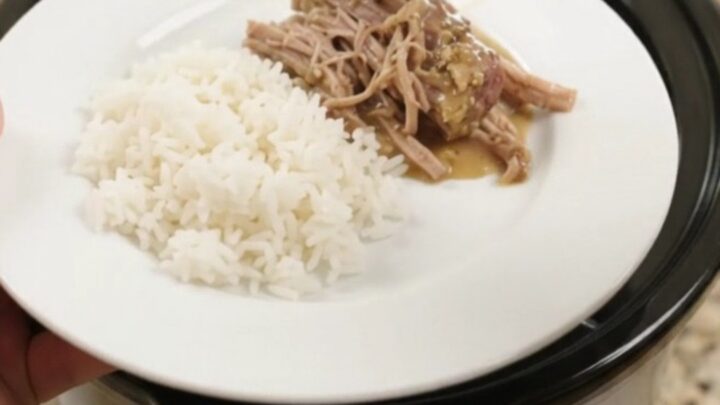
- Serve and EnjoyServe the shredded pork over steamed white rice or mashed potatoes, spooning extra gravy on top. Garnish with fresh parsley if desired, and enjoy the rich, savory flavors.Look for Steam rises from the creamy pork as it is plated.Tip Pair with roasted vegetables for a complete meal.
The shredded pork is back in the slow cooker, coated in the velvety gravy. The sauce is smooth, with a glossy sheen and a rich, savory aroma. When served over rice, the pork is moist and flavorful, with the gravy soaking into the grains. The plate is a beautiful contrast of creamy pork, white rice, and maybe a sprinkle of fresh herbs. The dish is ready to be enjoyed, with every bite delivering a burst of tangy, creamy, savory goodness.
Common mistakes
One common mistake is opening the slow cooker lid frequently, which lets heat and moisture escape and extends cooking time. Another is using a lean cut that dries out; sirloin is fine, but avoid very lean cuts like tenderloin.
Also, don't skip the seasoning packets—they are the backbone of the flavor. If you add too much liquid, the gravy will be thin; start with the amount specified and adjust only if needed. Finally, be patient: slow cooking takes time, but the results are worth it.
How to tell it’s done
The pork is done when it reaches an internal temperature of at least 145°F (63°C) and is fork-tender. Insert an instant-read thermometer into the thickest part of the roast; it should read 145°F (63°C) or higher.
The meat should shred easily with a fork, and the liquid should have reduced slightly and become flavorful. If the meat is still tough, continue cooking for another 30 minutes to 1 hour on low. The gravy should coat the back of a spoon; if it's too thin, thicken with a cornstarch slurry.
- Steaks, chops and roasts: 145°F (63°C) in the thickest part, then a 3-minute rest
Up next · Part 3 of 3
4 variations · storage & make-ahead · 5 answers · printable card
Tips, FAQ & printable recipe (Part 3)← Back to the ingredients (Part 1)