Dinner · Part 1 of 3: Ingredients
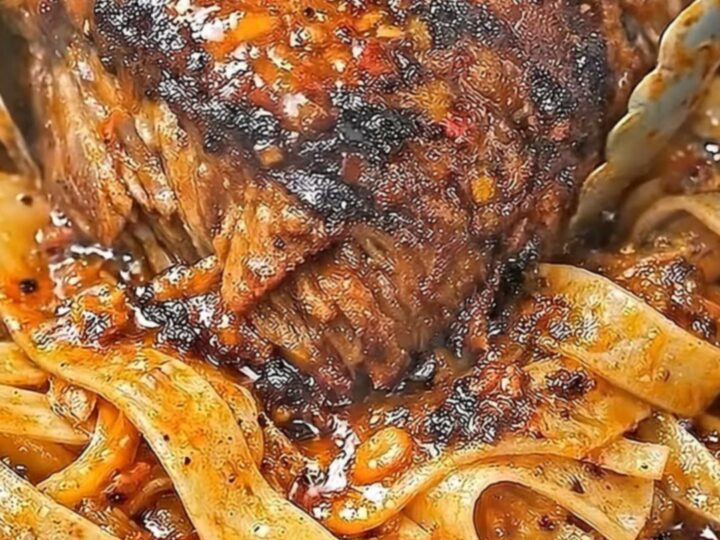
Slow Cooker Beef Roast and Noodles: A Comforting One-Pot Meal
- Prep
- Cook
- Total
- Serves
- 6
This slow cooker beef roast and noodles recipe delivers fall-apart tender beef and silky pappardelle in a rich, savory sauce—all with minimal hands-on time.
The slow cooker does the heavy lifting, transforming a tough chuck roast into melt-in-your-mouth perfection. Perfect for busy weeknights or a cozy Sunday dinner, this dish is a true comfort food classic that the whole family will love.
Imagine coming home to the aroma of slow-cooked beef that has been simmering all day, ready to be tossed with wide, ribbon-like pappardelle noodles. This recipe is all about simplicity and depth of flavor.
A well-marbled chuck roast is seared, then cooked low and slow with aromatics and broth until it shreds effortlessly. The resulting sauce is rich and glossy, coating every strand of pasta. It's a hearty, satisfying meal that feels special but requires little effort.
Ingredients
- 3 lb beef chuck roast
- 1 tsp kosher salt
- 1/2 tsp black pepper
- 2 tbsp olive oil
- 1 medium yellow onion, chopped
- 4 cloves garlic, minced
- 2 cups beef broth
- 2 tbsp Worcestershire sauce
- 2 tbsp tomato paste
- 1 tsp dried thyme
- 1 bay leaf
For the sauce
- 2 tbsp cornstarch
- 2 tbsp water
- 12 oz pappardelle pasta
- 2 tbsp fresh parsley, chopped
Why this recipe works
The slow cooker method is the secret to this dish's incredible tenderness. Low heat and a long cooking time break down the collagen in the chuck roast, turning a tough cut into buttery, fork-tender meat. The gentle simmer also allows the flavors of the beef, onion, garlic, and herbs to meld and deepen, creating a sauce that tastes like it simmered for hours—because it did.
Searing the beef before slow cooking adds a crucial layer of flavor. The Maillard reaction creates a deep, caramelized crust on the meat, which infuses the entire dish with a savory richness. Deglazing the skillet with broth captures all those browned bits, ensuring nothing goes to waste. The result is a complex, well-rounded sauce that clings beautifully to the pappardelle.
Notes and substitutions
Beef chuck roast is the best choice for this recipe because of its high fat and collagen content, which breaks down during slow cooking, resulting in incredibly tender meat.
If chuck is unavailable, brisket or bottom round roast can be substituted, though they may require slightly adjusted cooking times. For the pasta, pappardelle's wide ribbons are ideal for holding the sauce, but fettuccine or tagliatelle work well too.
Use a good-quality beef broth for the best flavor, and don't skip the Worcestershire sauce—it adds a subtle umami depth. Fresh thyme can replace dried, but use three times the amount.
The cornstarch slurry is added at the end to thicken the sauce; adjust the amount if a thinner or thicker consistency is preferred. For a richer sauce, a splash of heavy cream can be stirred in just before serving, though this is optional.
- beef chuck roast: beef brisket or bottom round roast
- pappardelle: fettuccine, tagliatelle, or wide egg noodles
- beef broth: chicken broth or vegetable broth
- Worcestershire sauce: soy sauce or balsamic vinegar (for a different flavor)
Equipment
- Slow cooker (6-quart)
- Large skillet
- Tongs
- Cutting board
- Chef's knife
- Measuring cups and spoons
- Small bowl
- Large pot for pasta
Up next · Part 2 of 3
8 steps · 8 h of cooking · what to look for at each stage
Step-by-step instructions (Part 2)