Dinner · Part 2 of 3: Instructions
Tender Slow Cooker BBQ Ribs Step-by-step instructions
- Prep
- Cook
- Total
- Serves
- 4
Before you start
Before you begin cooking, gather all of your ingredients and equipment to ensure a smooth process. Thoroughly pat the pork baby back ribs dry with paper towels, which helps the barbecue sauce cling to the surface. If the thin membrane on the bone side of the ribs is still attached, carefully peel it off and discard it.
Cut the slabs of ribs into smaller, manageable portions of three to four ribs each so they fit easily inside your slow cooker insert. Measure out your barbecue sauce, keeping the portions divided as specified in the recipe.
Ingredients at a glance (2)
- 4 lb pork baby back ribs, membrane removed and cut into 3-to-4-rib portions
- 2 cups barbecue sauce, divided
Instructions
Rib Arrangement and Initial Saucing
- Arrange the RibsPlace the portioned pork baby back ribs upright into the slow cooker insert, leaning them against the outer walls with the meatier side facing outward to ensure even heat distribution.Look for The ribs should stand securely without falling over.Tip Arranging them upright helps the heat circulate evenly around each portion.
- Add the Barbecue SaucePour one and a half cups of the barbecue sauce evenly over the arranged ribs, using a spoon or spatula to coat each portion thoroughly from top to bottom.Look for The ribs should be well coated with sauce.Tip Save the remaining half cup of sauce for the final glaze.
At the end of this initial phase, the rib portions should be neatly arranged standing upright inside the slow cooker insert, with the meatier side of each portion facing the outer walls of the pot.
The first portion of the barbecue sauce should be poured evenly over the top of the ribs, cascading down the sides to cover the meat completely. The slow cooker insert should look clean around the rim, with the lid fitting snugly on top to trap all the essential steam and moisture.
The Slow Cooking Process
- Slow Cook Until TenderCover the slow cooker with the lid and cook on low heat for 7 to 8 hours, or on high heat for 3 to 4 hours, until the meat is extremely tender.Look for The meat should easily pull away from the bone.Tip Resist the urge to open the lid during cooking to avoid heat loss.
As the slow cooking phase finishes, your kitchen will be filled with a rich, smoky, and sweet aroma. The pork ribs will look deeply colored, and the meat will have visibly shrunk back from the ends of the bones by about half an inch. The barbecue sauce and natural meat juices will have merged into a thin, bubbling liquid at the bottom of the pot. When tested gently with a fork, the meat should feel incredibly tender and slide easily away from the bone.
Glazing and Resting
- Glaze, Rest, and ServeBrush the remaining half cup of barbecue sauce over the hot ribs. Cover and let them sit for 10 minutes to warm the sauce. Ensure the pork reaches an internal temperature of 145°F (63°C) and let the meat rest for at least 3 minutes before slicing.Look for The glaze should look thick, sticky, and glossy.Safe temperature 145°F (63°C) internal temperature (steaks, chops and roasts)Tip Letting the ribs rest locks in the savory juices.
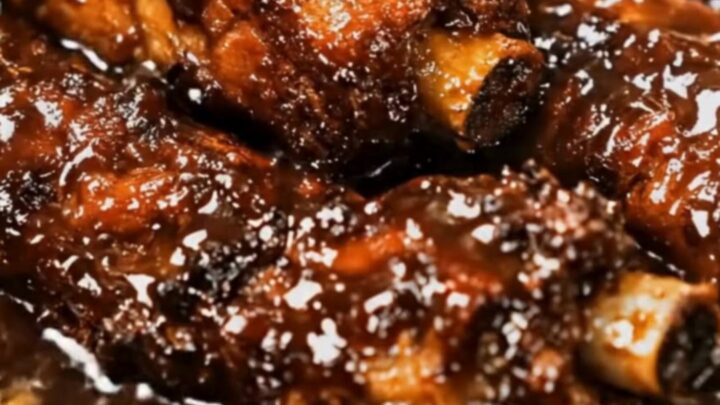
By the end of this final glazing phase, the ribs will have a thick, glossy, and sticky coating of warm barbecue sauce that clings beautifully to the tender pork. The edges of the meat will look slightly caramelized and glistening under the light. When you lift a portion with tongs, the meat should be so tender that it begins to pull apart gently under its own weight, yet remains intact enough to transfer to a serving platter without completely disintegrating.
Common mistakes
One common mistake is cooking the ribs on the high setting for too long, which can cause the meat to dry out and become stringy rather than tender. Always opt for the low setting whenever possible, as the slow heat breakdown is what creates that perfect texture.
Another error is opening the slow cooker lid frequently during the cooking process. Every time the lid is removed, significant heat and steam escape, which can add up to twenty minutes to the total cooking time and dry out the outer layers of the meat.
How to tell it’s done
The best way to determine doneness is by checking that the meat is tender and has shrunk back from the bone ends. For food safety, the pork must reach a minimum internal temperature of 145°F (63°C) when measured with a digital meat thermometer in the thickest part of the meat, avoiding the bone.
Additionally, you must let the meat rest for at least 3 minutes after cooking to allow the juices to redistribute throughout the pork, ensuring every single bite remains moist and flavorful.
- Steaks, chops and roasts: 145°F (63°C) in the thickest part, then a 3-minute rest
Up next · Part 3 of 3
2 variations · storage & make-ahead · 3 answers · printable card
Tips, FAQ & printable recipe (Part 3)← Back to the ingredients (Part 1)