Dinner · Part 1 of 3: Ingredients
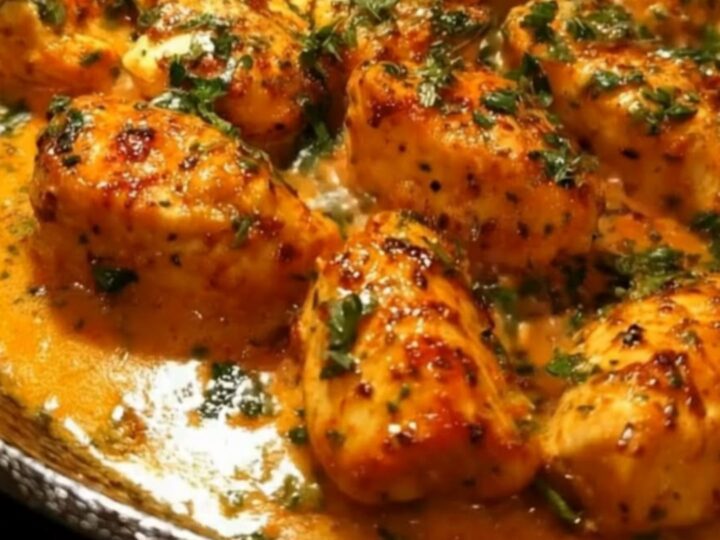
Tender One-Skillet Garlic Butter Chicken Bites
- Prep
- Cook
- Total
- Serves
- 4
Transform simple chicken breast into a restaurant-quality meal with this one-skillet garlic butter recipe. By focusing on a high-heat sear followed by a gentle butter simmer, this dish achieves an incredible depth of flavor and a tender, juicy texture. It is a straightforward, reliable method that proves how minimal ingredients can create a truly satisfying dining experience, making it perfect for busy weeknights when quality and speed are equally important for a successful home-cooked meal.
This garlic butter chicken skillet relies on the classic technique of searing protein to lock in moisture before finishing it in a rich, aromatic sauce. The cast-iron skillet provides superior heat retention, ensuring every piece of chicken develops a beautiful, flavorful crust.
Once the butter and garlic are introduced, the pan creates a simple yet elegant sauce that elevates the entire dish. This approach is highly effective because it minimizes cleanup while maximizing flavor, resulting in tender, succulent bites that pair beautifully with a variety of side dishes or a fresh salad.
Ingredients
Main
- 1 1/2 lb boneless skinless chicken breasts, cut into bite-sized pieces
Sauce
- 4 tbsp unsalted butter
- 4 cloves garlic, minced
Garnish
- fresh parsley, chopped, for serving
Why this recipe works
The method of searing chicken in a cast-iron skillet works because the heavy material distributes heat evenly, preventing cold spots and ensuring a consistent crust. By cutting the chicken into uniform bite-sized pieces, each morsel cooks quickly and reaches the necessary internal temperature without drying out.
This technique preserves the natural juices of the poultry while providing a textural contrast between the exterior sear and the tender interior, which is essential for a high-quality result.
Finishing the chicken in a garlic butter sauce is a culinary staple because the fat carries the garlic flavor throughout the pan. When the butter melts and the garlic infuses the liquid, it creates an emulsion that clings to the chicken. This process allows the aromatics to penetrate the meat effectively. By removing the pan from the heat before adding the final garnish, the butter remains silky and flavorful, avoiding the separation that can occur if the sauce is boiled for too long.
Notes and substitutions
When selecting chicken for this recipe, ensure the pieces are cut to a similar size to promote even cooking. Boneless skinless breasts are the standard choice here, but thighs offer a richer flavor if preferred.
Using a well-seasoned cast-iron skillet is highly recommended, as it contributes to the development of the fond, the browned bits on the bottom of the pan that add significant complexity to the final sauce. Always ensure the skillet is preheated before adding the chicken to prevent sticking.
Fresh garlic is essential for the best flavor profile, as bottled versions often lack the necessary punch and aromatic quality. For the butter, using high-quality unsalted butter allows for precise control over the seasoning level.
If fresh parsley is unavailable, other fresh herbs like chives or thyme can be substituted to provide a bright, herbaceous finish. Remember that the quality of these simple ingredients directly impacts the final result, so prioritize freshness whenever possible to ensure the best possible flavor for the dish.
- Chicken breasts: Chicken thighs may be used for a slightly higher fat content and extra tenderness.
- Unsalted butter: Salted butter is an acceptable alternative; simply reduce any added salt in the seasoning.
Equipment
- Cast-iron skillet
- Spatula
- Chef knife
- Cutting board
Up next · Part 2 of 3
3 steps · 15 min of cooking · what to look for at each stage
Step-by-step instructions (Part 2)