Dinner · Part 3 of 3: Tips & recipe card
Sweet Vidalia BBQ Spare Ribs: Crockpot Pull-Apart Pork Tips, FAQ & printable recipe
- Prep
- Cook
- Total
- Serves
- 6
Tips for success
For the best flavor, choose a high-quality thick BBQ sauce that you love — since it's a major component, the sauce's personality will come through. If you prefer a spicier kick, add a pinch of cayenne or a few dashes of hot sauce to the pot, but the video keeps it classic.
The brown sugar is what gives the sauce its sticky, caramelized edge, so don't skip it. If you have time, let the assembled ingredients sit in the refrigerator overnight before cooking; this allows the flavors to meld even more.
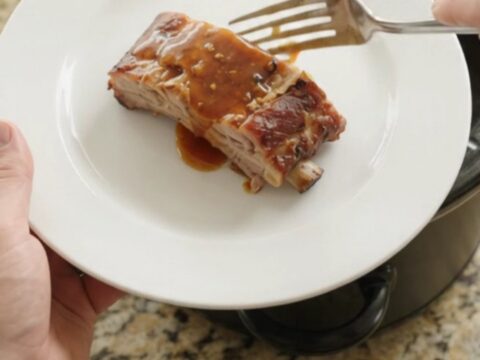
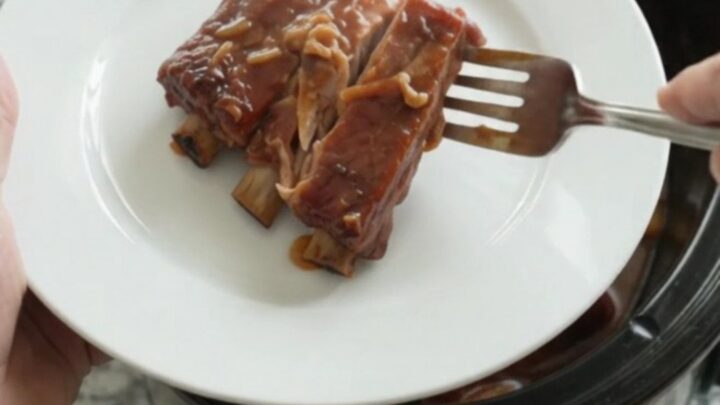
When serving, use a carving fork to lift each rib section carefully, letting the excess sauce drip back into the pot. The ribs are so tender that they may fall apart if handled too roughly — that's a good thing.
For a neat presentation, use a wide spatula to support the ribs as you transfer them. Spoon the caramelized onions and extra sauce generously over each serving. These ribs are best enjoyed hot, straight from the slow cooker.
Variations
- Spicy Kick: Add 1–2 teaspoons of chipotle powder or a minced fresh jalapeño along with the onions for a smoky heat that balances the sweetness. You can also stir a few dashes of your favorite hot sauce into the BBQ sauce.
- Honey Garlic: Replace the brown sugar with 1/4 cup honey and add 4 minced garlic cloves to the sauce. The honey will caramelize and create a sticky glaze with a subtle garlicky undertone.
- Pineapple BBQ: Layer 1 cup of crushed pineapple (drained) over the onions before adding the sauce. The pineapple adds tropical sweetness and helps tenderize the meat further. Omit the brown sugar if you prefer less sweetness.
- Smoky Maple: Swap the brown sugar for 1/4 cup maple syrup and use a smoky BBQ sauce. The maple syrup adds a deep, woodsy sweetness that pairs well with the pork. Add a teaspoon of smoked paprika for extra smokiness.
Storage and make-ahead
- Fridge
- Store leftover ribs in an airtight container in the refrigerator for up to 4 days. Keep them immersed in the sauce to maintain moisture.
- Freezer
- Cool the ribs completely, then transfer to a freezer-safe container with some sauce. Freeze for up to 3 months.
- Reheat
- Reheat ribs gently in a covered pot on the stovetop over low heat, or in the microwave in 30-second bursts.
Leftover ribs can be stored in an airtight container in the refrigerator for up to 4 days. Keep the ribs submerged in the sauce to prevent them from drying out. To reheat, place the ribs and sauce in a covered pot or microwave-safe dish and heat gently until warmed through. The sauce may thicken upon refrigeration; add a splash of water or apple juice if needed.
This recipe is ideal for making ahead. You can assemble the ribs, onions, sugar, and sauce in the slow cooker insert the night before, cover, and refrigerate. In the morning, place the insert in the slow cooker base and cook on low as directed. You can also fully cook the ribs, let them cool, and refrigerate them in the sauce for up to 3 days. Reheat gently on the stovetop or in the microwave.
Serving ideas
Serve these ribs as the main event, with plenty of extra sauce spooned over the top. They pair beautifully with classic barbecue sides like coleslaw, cornbread, or baked beans.
The sweet, smoky flavor also works well with a simple green salad dressed in a tangy vinaigrette to cut through the richness. For a casual gathering, let guests pull apart their own ribs and pile them onto soft rolls for sliders.
For a more composed plate, serve the ribs over creamy mashed potatoes or polenta, letting the sauce act as a gravy. The caramelized onions are a delicious bonus — spoon them over the meat or mix them into the side dish.
Garnish with a sprinkle of chopped fresh parsley or sliced green onions for a pop of color, though the video keeps it simple. These ribs are satisfying on their own, so keep the sides simple.
Frequently asked questions
Can this recipe be made with chicken instead of pork ribs?
Why are the ribs not falling off the bone after 8 hours?
Can this recipe be cooked on high instead of low?
Is it necessary to brown the ribs before adding them to the slow cooker?
How can the sauce be thickened if it's too thin after cooking?
Sweet Vidalia BBQ Spare Ribs: Crockpot Pull-Apart Pork
Ingredients
- 4 lb St. Louis style pork spare ribs
- 2 medium Vidalia onions, thinly sliced
- 1/2 cup brown sugar, packed
- 2 cups thick Kansas City style BBQ sauce
Instructions
- Place the St. Louis style pork spare ribs into the slow cooker insert, arranging them in a single layer as much as possible, cutting to fit if needed. They should cover the bottom of the pot.
- Scatter the sliced Vidalia onions evenly over the ribs, then sprinkle the brown sugar over the onions. No need to stir; the layers will meld during cooking.
- Pour the thick Kansas City BBQ sauce over the ribs, onions, and sugar. Use a spatula to spread it evenly, ensuring the sauce covers the top surface.
- Cover the slow cooker and cook on low for 8 hours, until the meat is fork-tender and nearly falling off the bone. Avoid opening the lid during cooking to keep the heat steady. Let it rest for 3 minutes before slicing.
- After 8 hours, insert a fork into the thickest part of the meat. It should twist easily and the meat should pull apart with little resistance. If not, continue cooking in 30-minute increments. Let it rest for 3 minutes before slicing.
- Turn off the slow cooker and let the ribs rest in the sauce for at least 3 minutes before serving. This allows the juices to redistribute and the meat to set slightly.
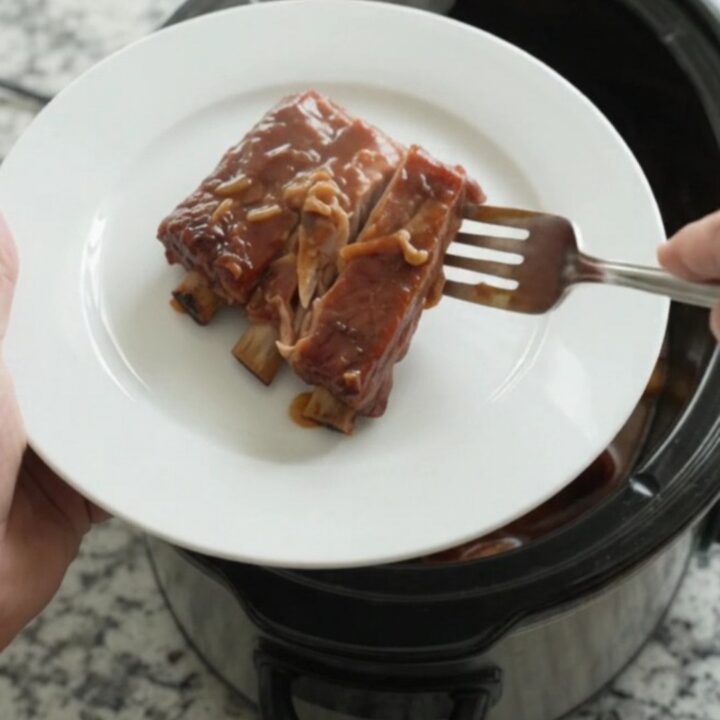
- Using a carving fork, carefully lift sections of ribs from the slow cooker, letting excess sauce drip back. Transfer to a serving platter or individual plates, spooning some of the caramelized onions and sauce over the top.
Estimated nutrition per serving
- Calories
- 680
- Protein
- 45 g
- Carbohydrates
- 38 g
- Fat
- 38 g
Next recipe
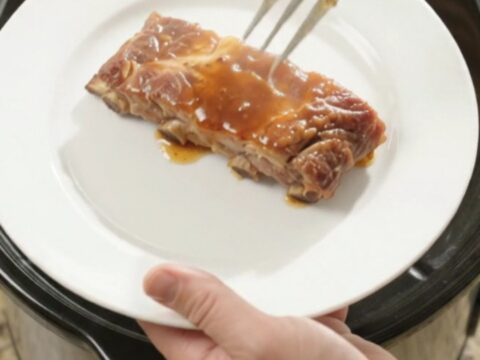
Root Beer Maple Bourbon Spare Ribs: 5-Ingredient Crockpot Dinner
See the recipe → →This recipe is based on a short cooking video and is published under the pen name Clara Weller. It was checked before publication, but errors can slip through. Nutrition, when shown, is an estimate. Read more in our editorial policy and on our food safety page.
More recipes to try
Root Beer Honey Hickory Spare Ribs: Crockpot Pull-Apart
Total time: 8 h 25 min
Root Beer BBQ Spare Ribs: Easy Slow Cooker Dinner
Total time: 8 h 20 min
Slow Cooker Honey Hickory Spare Ribs
Total time: 6 h 15 min
Sweet Vidalia Maple Bourbon Spare Ribs: Slow-Cooker
Total time: 8 h 10 min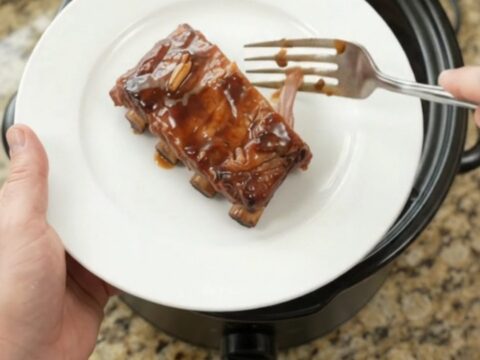
Slow-Cooker Garlic Herb Molasses Spare Ribs
Total time: 6 h 20 min