Dinner · Part 3 of 3: Tips & recipe card
Sweet Vidalia BBQ Baby Back Ribs: Slow-Cooker Fall-Off-the-Bone Tips, FAQ & printable recipe
- Prep
- Cook
- Total
- Serves
- 4
Tips for success
For the best flavor, use a high-quality BBQ sauce that you love, since it’s the backbone of the dish. If you prefer a spicier kick, add a pinch of cayenne or a dash of hot sauce to the pot before cooking.
You can also sprinkle a dry rub on the ribs before layering for extra depth, but the recipe is delicious as-is. If you have time, trim any excess fat from the ribs to avoid a greasy sauce.
Don’t forget the caramelized onions — they’re a hidden gem. Spoon them over the ribs when serving, or mix them into the sauce for extra texture. If you have leftovers, the onions are fantastic on sandwiches or stirred into baked beans. The sauce will thicken as it cools, so you may want to loosen it with a splash of water or apple cider vinegar when reheating.
Variations
- Spicy Chipotle Ribs: Add 2 chopped chipotle peppers in adobo sauce to the BBQ sauce before pouring over the ribs. The smoky heat pairs beautifully with the sweet onions and brown sugar. For extra kick, sprinkle with cayenne before cooking.
- Honey Garlic Ribs: Replace the brown sugar with 1/4 cup honey and add 4 minced garlic cloves to the sauce. The honey will caramelize and create a sticky, sweet glaze. Reduce the BBQ sauce to 1 cup to balance the flavors.
- Root Beer Ribs: Substitute 1 cup of root beer for 1/2 cup of the BBQ sauce. The root beer adds a subtle sweetness and depth that complements the pork. Use a high-quality root beer for best results, and cook as directed.
- Smoky Maple Ribs: Mix 1/4 cup maple syrup into the BBQ sauce and add 1 teaspoon smoked paprika. The maple syrup enhances the caramelization, while the paprika adds a smoky note. This variation is especially good in the fall.
Storage and make-ahead
- Fridge
- Store leftover ribs in an airtight container in the refrigerator for up to 4 days. Reheat gently in the oven or microwave until piping hot.
- Freezer
- Freeze cooked ribs in an airtight container or freezer bag for up to 3 months. Thaw overnight in the refrigerator before reheating.
- Reheat
- Reheat frozen or refrigerated ribs in a 350°F (175°C) oven, covered with foil, for 20–30 minutes, or until heated through.
Store leftover ribs and sauce in an airtight container in the refrigerator for up to 4 days. The sauce will solidify slightly when cold, but that’s normal.
To reheat, place the ribs in a baking dish, cover with foil, and warm in a 350°F (175°C) oven for 15–20 minutes, or until heated through. You can also reheat individual servings in the microwave, but the oven will help maintain the texture of the meat.
This recipe is perfect for making ahead. You can assemble the ribs, onions, sugar, and sauce in the slow cooker insert up to 24 hours in advance.
Cover and refrigerate, then place the insert in the slow cooker and cook as directed, adding about 30 minutes to the cooking time to account for the cold start. Alternatively, cook the ribs fully, let them cool, and refrigerate for up to 3 days. Reheat gently before serving.
Serving ideas
Serve the ribs hot, straight from the slow cooker, with plenty of sauce spooned over the top. The caramelized onions are a must — they’re soft, sweet, and full of flavor. For a complete meal, pair with classic sides like coleslaw, cornbread, or baked beans. The sweet, smoky sauce also goes well with mashed potatoes or a simple green salad to balance the richness.
For a casual gathering, pile the ribs onto a large platter and let everyone help themselves. Provide extra napkins — these are sticky and delicious.
If you’re serving a crowd, you can keep the ribs warm in the slow cooker on the 'warm' setting for up to 2 hours, but be careful not to dry them out. For a more polished presentation, brush the ribs with additional sauce just before serving.
Frequently asked questions
Can this recipe be made with boneless pork ribs?
Why are the ribs not falling off the bone after 6 hours?
Can this recipe be doubled in a larger slow cooker?
Is it necessary to brown the ribs before slow cooking?
What can be used instead of Vidalia onions?
Sweet Vidalia BBQ Baby Back Ribs: Slow-Cooker Fall-Off-the-Bone
Ingredients
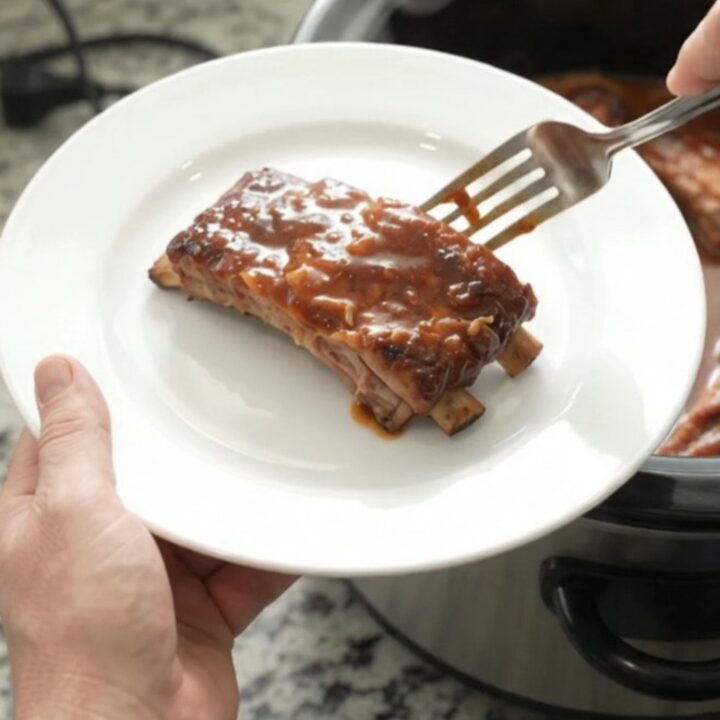
- 2 racks baby back pork ribs (about 2 lb total)
- 2 medium Vidalia onions, thinly sliced
- 1/2 cup packed light brown sugar
- 1 1/2 cups thick Kansas City-style BBQ sauce
Instructions
- Place the two racks of baby back ribs side by side in the bottom of a 6- to 7-quart slow cooker, meaty side up. They can overlap slightly if needed. Scatter the sliced Vidalia onions evenly over the ribs, then sprinkle the brown sugar over the onions and ribs, covering as much surface as possible.
- Pour the thick Kansas City-style BBQ sauce over the ribs, onions, and brown sugar. Use a spoon or spatula to spread the sauce evenly, making sure the tops of the ribs are well coated. Do not stir; just let the sauce settle over the layers.
- Cover the slow cooker with the lid and cook on LOW for 6 to 8 hours, until the meat is tender and easily pulls away from the bone. Avoid opening the lid during cooking, as each lift releases heat and extends the cooking time. Let it rest for 3 minutes before slicing.
- After 6 hours, check the ribs by piercing the thickest part with a fork. The meat should be very tender and start to pull away from the bone. If not, continue cooking in 30-minute increments until the desired tenderness is reached. The internal temperature should read at least 145°F (63°C) for food safety, but for fall-off-the-bone texture, cook until the meat is practically falling apart.
- Turn off the slow cooker. Using tongs, carefully transfer the ribs to a cutting board. Let them rest for at least 3 minutes, then cut between the bones to separate into individual ribs. Serve with the caramelized onions and extra sauce from the pot spooned over the top.
Estimated nutrition per serving
- Calories
- 640
- Protein
- 38 g
- Carbohydrates
- 45 g
- Fat
- 32 g
Next recipe
Smoky Maple Bourbon Baby Back Ribs: Slow-Cooker Fall-Off-The-Bone Dinner
See the recipe → →This recipe is based on a short cooking video and is published under the pen name Clara Weller. It was checked before publication, but errors can slip through. Nutrition, when shown, is an estimate. Read more in our editorial policy and on our food safety page.
More recipes to try
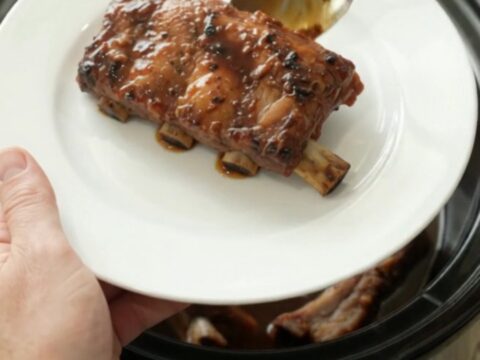
Smoky Paprika Molasses Baby Back Ribs: Slow-Cooker Fall-Off-the-Bone
Total time: 6 h 10 min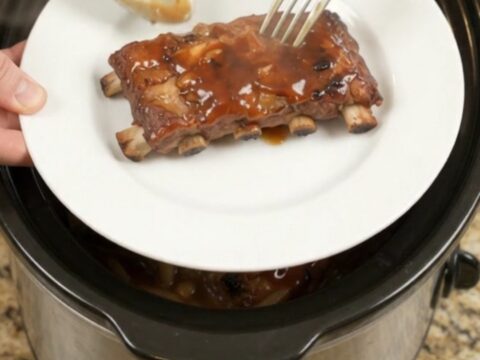
Sweet Vidalia Honey Hickory Baby Back Ribs: Dump-and-Forget Crockpot
Total time: 6 h 10 min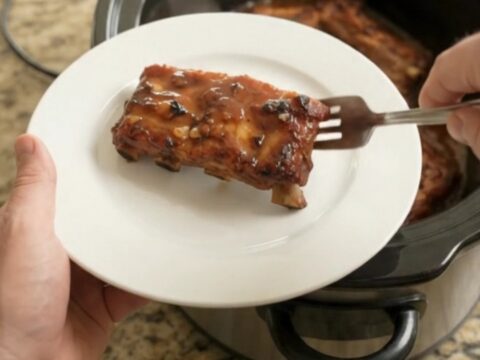
Slow-Cooker Smoky Paprika Honey Hickory Baby Back Ribs
Total time: 6 h 10 min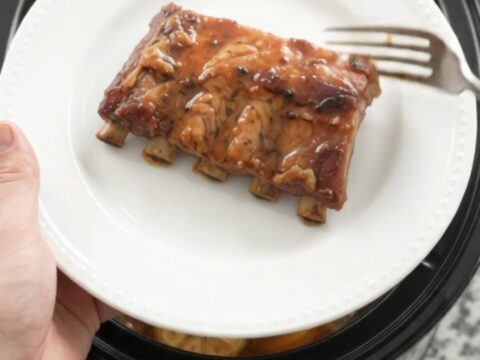
Maple Bourbon BBQ Ribs: Slow-Cooker Fall-Off-the-Bone
Total time: 6 h 20 min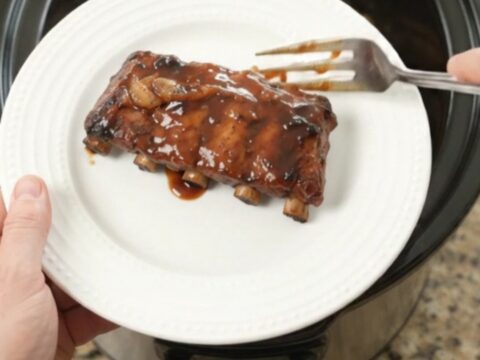
Slow-Cooker Molasses Garlic Baby Back Ribs
Total time: 6 h 20 min