Dinner · Part 3 of 3: Tips & recipe card
Sticky Oven-Baked Glazed Meatballs Tips, FAQ & printable recipe

- Prep
- Cook
- Total
- Serves
- 4
Tips for success
To achieve a more uniform size, use a small ice cream scoop or a measured tablespoon to portion the mixture before rolling. This simple trick makes the preparation much faster and ensures that all the meatballs cook through in the exact same amount of time, preventing some from being overcooked while others remain underdone.
If you find that the glaze is browning too quickly during the final five minutes, you can tent the tray loosely with a piece of aluminum foil. This allows the meatballs to finish cooking through while protecting the sugars in the glaze from burning, ensuring a perfect, sticky finish without any bitter, burnt notes.
Variations
- Spicy Glazed Meatballs: Add two tablespoons of hot sauce or a teaspoon of crushed red pepper flakes to the meat mixture before rolling to introduce a pleasant heat that cuts through the sweetness of the glaze.
- Herb-Infused Meatballs: Incorporate two tablespoons of finely chopped fresh parsley, chives, or basil into the mixture for a fresh, aromatic profile that complements the savory notes of the glaze.
Storage and make-ahead
- Fridge
- Store leftovers in an airtight container for up to 3 days.
- Freezer
- Freeze fully cooked and cooled meatballs in a freezer-safe bag for up to 2 months.
- Reheat
- Thaw in the refrigerator overnight and reheat in a 350°F oven or microwave until steaming hot.
Allow any leftover meatballs to cool completely at room temperature for no more than two hours before transferring them to an airtight container.
Properly sealed, they can be stored in the refrigerator for up to three days. When ready to eat, ensure they are reheated until they are piping hot throughout to maintain quality and food safety.
These meatballs are an excellent candidate for making ahead. You can shape the raw meatballs and store them on a tray in the refrigerator for up to 24 hours before baking.
When ready to cook, simply take them out of the fridge and proceed with the roasting instructions. This makes them a stress-free option for dinner parties or busy weeknights.
Serving ideas
Serve these glazed meatballs alongside a crisp green salad or roasted vegetables to balance the richness of the glaze.
They also pair wonderfully with classic sides like mashed potatoes, coleslaw, or even tucked into a warm toasted roll for a hearty meatball sandwich. The sticky glaze is quite flavorful, so keeping the sides simple allows the meat to remain the star.
For a casual presentation, serve the meatballs directly from the baking tray or transfer them to a warm serving platter.
Provide toothpicks if serving as an appetizer, or use a large spoon to serve them over a bed of grains or pasta for a more substantial meal. Ensure they are served warm so that the glaze remains glossy and easy to enjoy.
Frequently asked questions
Can these meatballs be made ahead of time?
How can it be ensured that the meatballs stay juicy?
What is the best way to reheat leftovers?
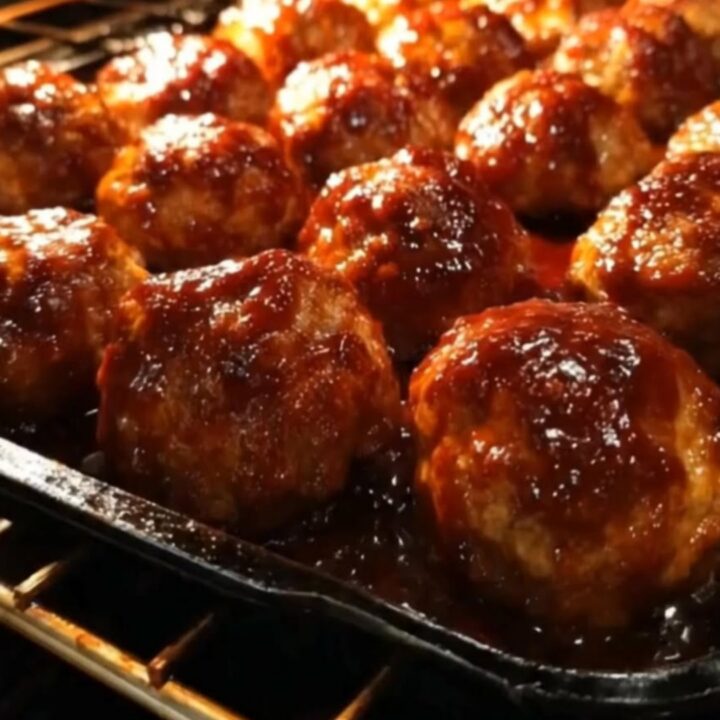
Sticky Oven-Baked Glazed Meatballs
Ingredients
- 1 lb meatball mixture
- 1 cup sticky glaze
Instructions
- Preheat the oven to 400°F (200°C). Shape the meatball mixture into sixteen uniform meatballs. Arrange them on a baking tray, ensuring they are not touching for even heat distribution.
- Place the tray in the preheated oven and bake for approximately 20 minutes. Ensure the meatballs reach an internal temperature of 160°F (71°C) to be fully cooked through.
- Remove the tray from the oven and carefully coat the hot meatballs with the sticky glaze. Return them to the oven for an additional 5 minutes to allow the glaze to caramelize. Let them rest for 5 minutes before serving.
Estimated nutrition per serving
- Calories
- 320
- Protein
- 22 g
- Carbohydrates
- 15 g
- Fat
- 18 g
- Fiber
- 0.5 g
- Sugar
- 12 g
- Sodium
- 650 mg
Next recipe
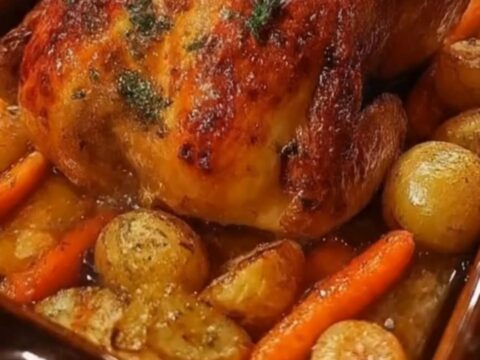
Easy Herb Roasted Chicken with Tender Vegetables
See the recipe → →This recipe is based on a short cooking video and is published under the pen name Clara Weller. It was checked before publication, but errors can slip through. Nutrition, when shown, is an estimate. Read more in our editorial policy and on our food safety page.
More recipes to try
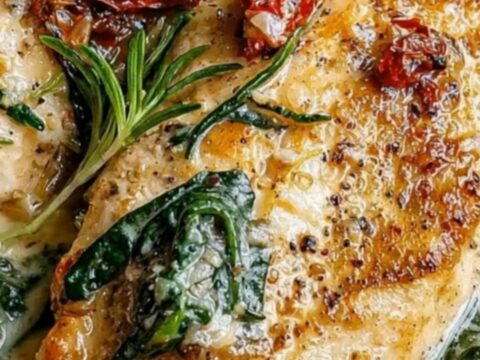
Creamy Tuscan Chicken: A Quick One-Pan Dinner
Total time: 35 min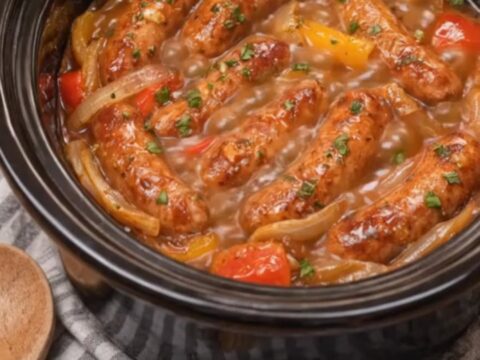
Slow Cooker Sausage and Peppers for an Easy Dinner
Total time: 4 h 15 min
Garlic Herb Roasted Chicken and Potatoes for an Easy Dinner
Total time: 55 min
Herb-Crusted Roast Beef with Caramelized Sweet Potatoes
Total time: 1 h 25 min
Cranberry Orange Glazed Chicken for a Quick Dinner
Total time: 35 min