Dinner · Part 1 of 3: Ingredients
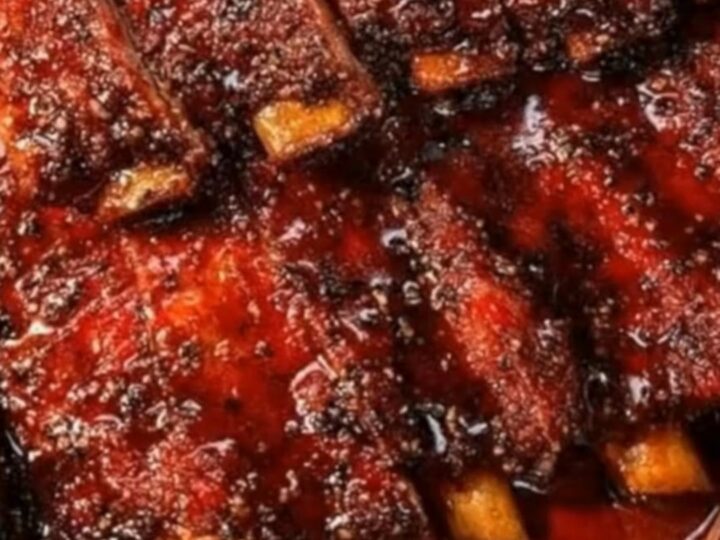
Sticky Oven-Baked BBQ Ribs for Tender Results
- Prep
- Cook
- Total
- Serves
- 4
Mastering the art of oven-baked ribs is a game-changer for home cooks who want deep, smoky flavor without the hassle of a traditional outdoor smoker or grill setup. This method relies on a two-stage cooking process: slow-roasting in a foil-sealed environment to achieve tenderness, followed by a high-heat finish to create that signature sticky, charred glaze that everyone loves.
These ribs are the perfect solution for a hearty dinner that feels special yet requires very little active preparation. By controlling the heat and utilizing a simple foil-packet technique, you can replicate the texture of slow-cooked barbecue right in your kitchen.
The result is a rack of ribs that is tender, juicy, and coated in a rich, caramelized sauce that clings to every bite, making it an ideal choice for weekend meals or casual gatherings where you want a reliable crowd-pleaser.
Ingredients
Ribs
- 1 rack pork baby back ribs
Glaze
- 1 cup barbecue sauce
Why this recipe works
The foil-sealing method is essential because it traps steam inside the package, effectively braising the meat in its own juices.
This process breaks down the connective tissues within the pork, ensuring that the final result is tender and pulls away from the bone easily. Without this step, the ribs would dry out long before they became tender, leading to a tough and unappealing texture.
The two-step glazing process is designed to build layers of flavor and texture. By adding the sauce at the end and baking it uncovered, the sugars in the barbecue sauce undergo a Maillard reaction under the oven heat.
This creates a tacky, dark, and concentrated glaze that provides that classic sticky finish. It transforms a simple sauce into a deeply flavorful crust that elevates the entire dish.
Notes and substitutions
When choosing your barbecue sauce, opt for one that has a good balance of sweetness and acidity. A thicker, molasses-based sauce tends to caramelize better than a thinner, vinegar-based one. You can use your favorite store-bought brand or a homemade version, provided it has enough sugar content to achieve that desired sticky texture during the final high-heat phase of cooking.
The equipment used is minimal but important. Using a heavy-duty aluminum foil is recommended to prevent tearing when sealing the ribs, as the integrity of the seal is what keeps the meat moist.
If you find the parchment paper is not large enough, ensure the foil is positioned so that it does not come into direct contact with the sauce, which can sometimes cause sticking or metallic off-flavors.
- baby back ribs: spare ribs can be used, though they will require additional cooking time to reach the same level of tenderness.
Equipment
- baking sheet
- aluminum foil
- parchment paper
- pastry brush
- sharp knife
Up next · Part 2 of 3
3 steps · 1 h 30 min of cooking · what to look for at each stage
Step-by-step instructions (Part 2)