Dinner · Part 3 of 3: Tips & recipe card
Sticky Honey Garlic Meatballs for an Easy Dinner Tips, FAQ & printable recipe

- Prep
- Cook
- Total
- Serves
- 4
Tips for success
If you find the glaze is thickening too quickly or beginning to darken too much, add a teaspoon of water or soy sauce to loosen the consistency. This helps regulate the sugar content and prevents the honey from turning bitter while ensuring every meatball is thoroughly coated in the delicious, sticky sauce.
For a more complex flavor profile, you can add a pinch of red pepper flakes to the glaze while it reduces.
The subtle heat from the pepper flakes balances the sweetness of the honey beautifully, creating a more sophisticated dish that pairs perfectly with steamed vegetables or a simple side of fluffy white rice.
Variations
- Spicy Honey Garlic: Add one teaspoon of red pepper flakes or a tablespoon of chili garlic sauce to the glaze during the final phase for a spicy kick.
- Ginger Infused: Incorporate one teaspoon of freshly grated ginger along with the garlic for a bright, aromatic flavor that complements the honey perfectly.
Storage and make-ahead
- Fridge
- Keep in an airtight container for up to 3 days in the refrigerator.
- Freezer
- Freeze in a sealed container for up to 2 months; thaw in the fridge before reheating.
- Reheat
- Reheat in a skillet over medium-low heat with a tablespoon of water until warmed through.
Store any leftovers in an airtight container in the refrigerator for up to three days. Ensure the meatballs have cooled completely before covering them to prevent condensation from thinning the glaze.
When reheating, add a small splash of water to the pan or microwave container to help restore the glossy, sticky texture of the honey garlic sauce.
You can prepare the meatballs up to 24 hours in advance and keep them covered in the refrigerator until you are ready to cook. This makes the meal prep much faster on busy weeknights.
However, it is best to cook the glaze fresh when you are ready to serve, as the sauce does not keep its sticky consistency as well when reheated from a chilled state.
Serving ideas
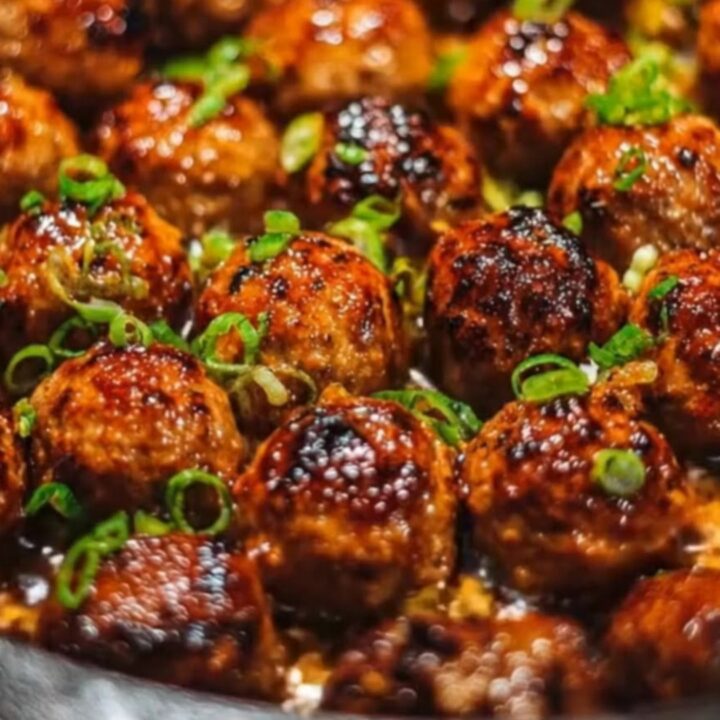
Serve these meatballs hot directly from the skillet to maintain the sticky, caramelized glaze. They are best when plated immediately after the green onions are added, ensuring the garnish remains fresh and vibrant.
A bed of steamed jasmine rice or quinoa is an excellent base to soak up any extra glaze left on the plate.
For a more casual presentation, you can serve these meatballs as an appetizer with toothpicks. They are easy to grab and enjoy, and the sweet, savory profile makes them a popular choice for gatherings. Pair them with a crisp, acidic side dish like cucumber salad to balance the richness of the honey glaze.
Frequently asked questions
Can these meatballs be baked instead of pan-seared?
What is the best way to keep the glaze from burning?
Can this be made ahead of time?
Sticky Honey Garlic Meatballs for an Easy Dinner
Ingredients
- 1 lb meatballs
- 1/3 cup honey
- 3 cloves garlic, minced
- 2 tbsp fresh green onions, sliced
Instructions
- Ensure the meatballs are ready for the skillet. If using homemade, shape them into uniform rounds, taking care not to overwork the meat to ensure they remain tender after cooking.
- Place the cast-iron skillet over medium-high heat. Add the meatballs and brown them on all sides until they are well-seared and cooked through to an internal temperature of 160°F (71°C).
- Reduce the heat to medium-low. Pour the honey and minced garlic into the skillet with the meatballs. Stir gently to coat every meatball in the sauce, allowing it to bubble and caramelize for 2-3 minutes until thick and sticky. Remove from heat and sprinkle with sliced fresh green onions before serving.
Estimated nutrition per serving
- Calories
- 380
- Protein
- 22 g
- Carbohydrates
- 25 g
- Fat
- 21 g
- Fiber
- 0.5 g
- Sugar
- 22 g
- Sodium
- 150 mg
Next recipe

Honey Cranberry Chicken with Roasted Vegetables
See the recipe → →This recipe is based on a short cooking video and is published under the pen name Clara Weller. It was checked before publication, but errors can slip through. Nutrition, when shown, is an estimate. Read more in our editorial policy and on our food safety page.
More recipes to try

Easy Apple Glazed Chicken for a Sweet and Savory Dinner
Total time: 4 h 15 min
Slow Cooker Bacon-Wrapped Stuffed Chicken Roll-Ups
Total time: 4 h 20 min
Crispy Sloppy Joe Tater Tot Casserole
Total time: 55 min
Tender Slow Cooker Hoisin Pork with Sweet Pineapple
Total time: 6 h 15 min
Creamy Garlic Mushroom Chicken Skillet
Total time: 35 min