Dinner · Part 1 of 3: Ingredients
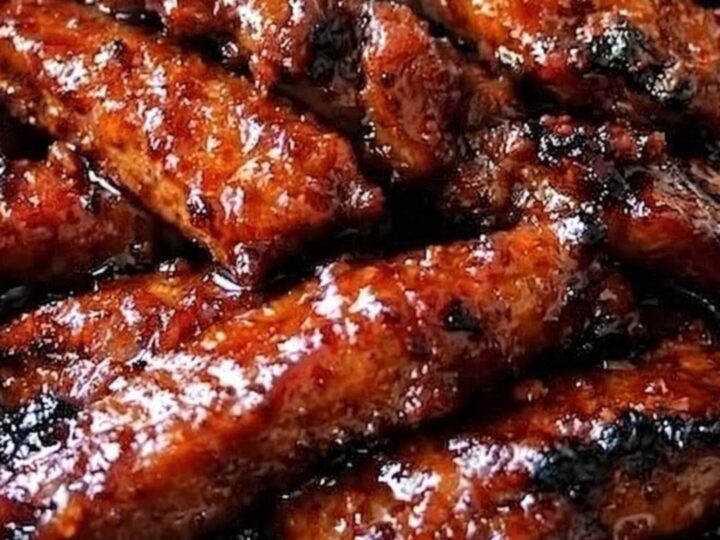
Sticky Honey-Garlic Glazed Ribs for Easy Weeknight Dinners
- Prep
- Cook
- Total
- Serves
- 4
Achieving that elusive, restaurant-style sticky rib at home is simpler than it seems. By combining a slow-roasting method with a high-heat broil, you create a complex layer of flavor that balances sweet honey with savory garlic.
This technique transforms standard pork ribs into a centerpiece dish that is tender, succulent, and perfectly caramelized, offering a professional finish that will impress any dinner guest without requiring hours of complex preparation or specialized equipment.
These honey-garlic glazed ribs are designed for those who appreciate the perfect harmony of sweet and savory. The process utilizes a gentle bake to ensure the meat reaches the ideal level of tenderness before a final, quick broil creates that signature sticky, charred exterior.
Whether preparing for a weekend dinner or a special gathering, this recipe provides a foolproof pathway to achieving deep, satisfying flavors and a beautiful presentation. With minimal hands-on time, the oven does most of the heavy lifting, allowing for a stress-free cooking experience that delivers consistent, delicious results every single time.
Ingredients
Ribs
- 3 lb pork spare ribs, trimmed
Glaze
- 1/2 cup honey
- 4 cloves garlic, minced
Why this recipe works
The combination of a low-temperature bake followed by a high-heat broil is essential for success. The initial long, covered cook time uses the meat's own moisture to steam the ribs, ensuring they become fall-off-the-bone tender.
By shielding the meat initially, you prevent the sugars in the honey from burning before the protein itself has reached the appropriate level of doneness, resulting in a texture that is both soft and structurally sound.
The final broil step is where the magic happens. By brushing on the honey-garlic glaze just before the high heat exposure, you create a rapid caramelization process. The sugars in the honey react with the heat to form a glossy, sticky coating that clings to the charred edges of the pork.
This contrast between the tender, juicy interior and the slightly crisp, caramelized exterior is what defines a truly great rib and makes this method highly effective.
Notes and substitutions
When selecting pork spare ribs, look for a rack with a good balance of meat and fat. A well-marbled rack will remain moist throughout the cooking process. If the rack is particularly thick or thin, adjust the initial roasting time accordingly, but always prioritize the final internal temperature of 145°F (63°C) to ensure safety and quality. Always ensure the ribs are completely thawed if using frozen meat to guarantee even cooking.
The equipment required is minimal, but the quality of the baking tray matters. A sturdy, metal baking tray works best for conducting heat evenly during the broiling stage. While a silicone brush is ideal for applying the glaze, a standard pastry brush will also work perfectly. Ensure the aluminum foil is heavy-duty enough to handle the steam during the roasting phase, as this keeps the environment inside the pan moist and flavorful.
- pork spare ribs: baby back ribs for a smaller cut with slightly less cooking time
- honey: maple syrup for a deeper flavor profile
Equipment
- Large baking tray
- Pastry brush
- Aluminum foil
- Mixing bowl
- Tongs
Up next · Part 2 of 3
3 steps · 1 h 30 min of cooking · what to look for at each stage
Step-by-step instructions (Part 2)