Dinner · Part 2 of 3: Instructions
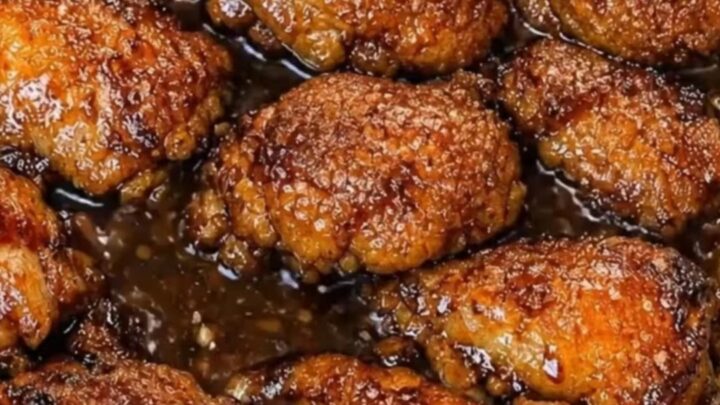
Sticky Honey Garlic Chicken Thighs with Caramelized Skin Step-by-step instructions
- Prep
- Cook
- Total
- Serves
- 4
Before you start
Before beginning, measure out all glaze ingredients, including the honey, soy sauce, hot sauce, and minced garlic, so they are ready to pour into the pan quickly.
Pat the chicken thighs completely dry with paper towels to ensure a superior sear, as excess moisture will cause the chicken to steam rather than crisp. Ensure the skillet is ready before adding the chicken to guarantee an immediate sizzle.
Ingredients at a glance (5)
- 2 lb bone-in skin-on chicken thighs
- 1/3 cup honey
- 4 cloves garlic, minced
- 3 tbsp soy sauce
- 1 tbsp hot sauce
Instructions
Searing the Chicken
- Prep the Chicken ThighsPat the bone-in, skin-on chicken thighs completely dry using paper towels to ensure a crispy sear. Place them skin-side down in a cold, heavy-bottomed skillet to help render the fat slowly as the pan heats up.Look for The chicken skin should feel completely dry to the touch.Tip Drying the skin thoroughly prevents steaming and guarantees a deep golden-brown crust.
- Sear the Chicken ThighsHeat the skillet over medium-high heat. Sear the chicken thighs undisturbed for six to eight minutes, allowing the natural chicken fat to render out until the skin is deeply caramelized and releases easily. Flip and sear the other side for an additional four minutes.Look for The skin should be deep golden brown and crispy.Tip Do not crowd the pan; cook in batches if necessary to maintain high heat.
The chicken thighs are seared skin-side down until the skin turns a deep golden brown and releases easily from the pan.
You will hear a loud, active sizzle and smell the savory aroma of rendering chicken fat. The skin should feel firm and crisp to the touch before flipping.
Glazing the Skillet
- Add Glaze IngredientsReduce the heat to medium. Pour off any excess rendered chicken fat from the skillet, leaving about one tablespoon. Add the minced garlic, honey, soy sauce, and hot sauce directly to the pan, stirring gently to combine with the pan drippings.Look for The garlic should become highly fragrant within thirty seconds.Tip Stir constantly to prevent the garlic from burning in the hot oil.
The honey garlic glaze is introduced to the pan, where it immediately begins to bubble vigorously around the chicken. The sharp aroma of garlic and the sweet scent of caramelized honey will fill the kitchen. The sauce will darken and begin to cling to the sides of the pan.
Reducing and Basting
- Simmer and BasteBring the sauce to a bubbling simmer. Cook the chicken thighs in the glaze, using a spoon to baste the hot sauce continuously over the caramelized skin. Simmer for eight to ten minutes until the glaze reduces to a thick, sticky consistency and the chicken reaches an internal temperature of 165°F (74°C).Look for The glaze should be thick, glossy, and bubbling actively.Safe temperature 165°F (74°C) internal temperature (poultry)Tip If the sauce thickens too quickly, add a splash of water to maintain the simmer.
- Rest and ServeTransfer the glazed chicken thighs to a rectangular glass baking dish and pour the remaining bubbling sauce from the pan over the top. Let the chicken rest for five minutes before serving to allow the juices to redistribute throughout the meat.Look for The sauce will set slightly and cling beautifully to the chicken skin.Tip Serve immediately with rice to soak up the rich, sweet glaze.
The sauce reduces into a thick, glossy lacquer that coats the chicken thighs completely. The bubbles will slow down and become larger and more stable, indicating the water has evaporated, leaving behind a rich, sticky glaze that pools beautifully in the serving dish.
Common mistakes
One common mistake is moving the chicken thighs too early during the initial sear, which tears the skin and prevents a uniform, golden crust from forming. Let the chicken cook undisturbed until it naturally releases from the skillet.
Another error is keeping the heat too high after adding the honey garlic glaze; because honey contains high amounts of natural sugar, it can burn quickly and turn bitter. Lower the heat to a gentle simmer to allow the glaze to reduce safely.
How to tell it’s done
The chicken thighs are fully cooked and safe to consume when an instant-read meat thermometer inserted into the thickest part of the meat, avoiding the bone, registers 165°F (74°C).
While chicken breast can dry out at this temperature, dark meat thighs remain incredibly juicy and flavorful even when cooked slightly past this point, which helps break down the connective tissue for a more tender texture.
- Poultry: 165°F (74°C) in the thickest part
Up next · Part 3 of 3
2 variations · storage & make-ahead · 3 answers · printable card
Tips, FAQ & printable recipe (Part 3)← Back to the ingredients (Part 1)