Dinner · Part 1 of 3: Ingredients
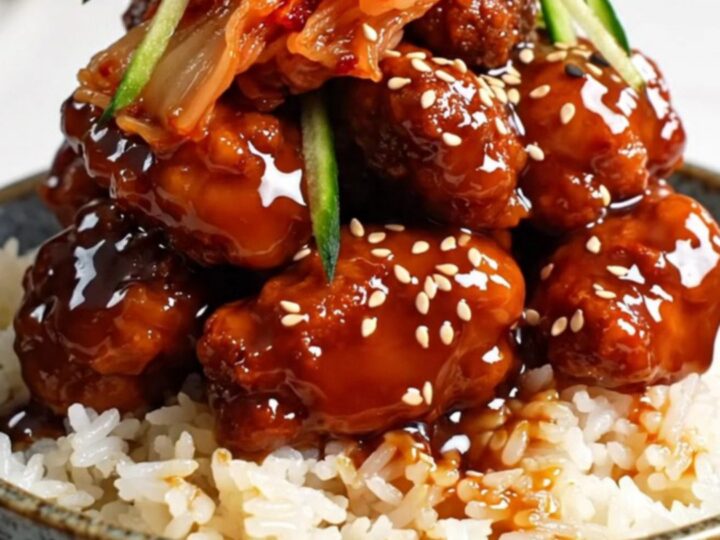
Spicy Sweet Korean Gochujang Chicken Bowls
- Prep
- Cook
- Total
- Serves
- 4
Discover the ultimate set-it-and-forget-it dinner that brings bold, restaurant-quality Korean flavors right into your home kitchen. This slow-cooked chicken dish transforms humble ingredients into a deeply savory, spicy-sweet masterpiece that is perfect for busy families and weeknight meal prep alike.
By utilizing the gentle, consistent heat of a slow cooker, the chicken thighs remain incredibly succulent while absorbing the complex, umami-rich notes of the gochujang glaze. Prepare to elevate your dinner routine with a recipe that is as effortless as it is impressive.
This recipe centers on the vibrant, fermented heat of Korean gochujang paste, which provides a unique depth of flavor that is both spicy and slightly sweet. Combined with honey, soy sauce, and aromatic ginger, the glaze creates a sticky, caramelized coating that clings to every bite of tender shredded chicken.
Served over a bed of fluffy sushi rice and topped with crisp, refreshing garnishes, this dish offers a perfect balance of textures and temperatures, making it a standout choice for any occasion that calls for something truly special and satisfying.
Ingredients
Main
- 2 1/2 lb boneless chicken thighs
Sauce
- 1/3 cup Korean gochujang paste
- 1/4 cup honey
- 2 tbsp soy sauce
- 1 tbsp toasted sesame oil
- 1 tbsp grated ginger
Serving
- 4 cups steamed sushi rice, for serving
- 1 cup kimchi, for serving
- 1 cup cucumber ribbons, for serving
- 1 tbsp toasted sesame seeds, for serving
Why this recipe works
The slow cooking method is ideal for chicken thighs, allowing the connective tissues to break down slowly. This ensures the meat becomes exceptionally tender and juicy, whereas high-heat cooking might toughen the meat. The long, low-temperature environment also allows the gochujang and honey to reduce into a rich, syrupy glaze that coats the meat perfectly.
The layering of ingredients is key to the efficiency of this method. By mixing the sauce components and pouring them over the chicken at the start, the flavors penetrate the meat as it cooks. The gentle heat prevents the sugars in the honey from burning, resulting in a deep, caramelized finish that would be difficult to achieve on a stovetop without constant attention.
Notes and substitutions
When selecting ingredients, look for a standard Korean gochujang paste, which can be found in the international aisle of most supermarkets. Ensure that the soy sauce is a standard variety rather than a low-sodium version to maintain the proper salt balance.
For the freshest flavor, grate the ginger immediately before mixing the sauce, as pre-grated ginger often lacks the bright, pungent aroma required for this dish.
A 6-quart slow cooker is the standard size for this recipe, allowing enough room for the chicken to cook evenly. If using a smaller slow cooker, ensure the chicken is not packed too tightly, as this can affect the cooking time and the consistency of the glaze.
If you prefer a milder dish, you can slightly reduce the amount of gochujang paste, though this will also reduce the intensity of the signature flavor profile.
- honey: brown sugar or maple syrup can be used if honey is unavailable, though the flavor profile will shift slightly.
- boneless chicken thighs: boneless chicken breasts can be substituted, but reduce cooking time by 30 minutes to prevent the meat from drying out.
Equipment
- 6-quart slow cooker
- two forks
- grater
- measuring cups
- measuring spoons
Up next · Part 2 of 3
3 steps · 3 h of cooking · what to look for at each stage
Step-by-step instructions (Part 2)