Dinner · Part 2 of 3: Instructions
Smoky Texas Brisket Burnt Ends and Sharp Cheddar Mac Step-by-step instructions
- Prep
- Cook
- Total
- Serves
- 4
Before you start
Before beginning the cooking process, ensure all ingredients are measured and ready. Shred the cheddar and Colby Jack cheeses if not already done, as this facilitates faster melting. Preheat your broiler to 419°F (215°C) and have your baking dish at hand.
Ensure the brisket is cubed into bite-sized pieces so that every scoop of pasta contains a good ratio of meat and cheese. Having everything prepared in advance makes the assembly process seamless and prevents the sauce from cooling down too quickly during the final steps.
Ingredients at a glance (5)
- 400 grams smoked brisket burnt ends
- 80 milliliters tangy hickory BBQ sauce
- 450 grams shredded sharp yellow cheddar and Colby Jack
- 550 milliliters smoked-paprika cream sauce
- 450 grams cavatappi pasta
Instructions
Brisket preparation
- Prepare the brisketDice the smoked brisket burnt ends into uniform cubes. Place them in a mixing bowl and toss thoroughly with the hickory barbecue sauce until every piece is well-coated. Set aside while preparing the pasta and cheese sauce.Look for The brisket should be coated in a thin, even layer of sauce.Tip Ensure the brisket is at room temperature for better sauce absorption.
At the end of this phase, the brisket should be uniformly coated in the hickory barbecue sauce, appearing glossy and dark. The sauce should be well-integrated into the meat, ensuring that the tangy flavor will penetrate during the broiling process.
Ensure all cubes are roughly equal in size for even cooking. This step is about setting the flavor profile, so take a moment to ensure every piece is thoroughly covered, as this will be the standout element in the final dish.
Sauce and pasta assembly
- Prepare the mac and cheeseBring the smoked-paprika cream sauce to a gentle simmer in a large saucepan. Gradually whisk in the shredded sharp yellow cheddar and Colby Jack until the mixture is smooth and fully melted. Fold in the cooked cavatappi pasta, ensuring every noodle is coated in the thick, cheesy sauce.Look for The cheese sauce should be thick, glossy, and bubbling slightly.Tip Whisk constantly to prevent the cheese from scorching at the bottom of the pan.
The sauce should be thick, velvety, and completely smooth with no visible lumps of cheese. The cavatappi should be fully coated, with the cheese sauce clinging to the ridges of the pasta. It should look rich and cohesive. Check that the sauce has reached a consistent heat throughout. If it looks too thick, a tiny splash of cream can be added, but aim for a consistency that coats the back of a spoon before transferring it to the baking dish.
Final broiling
- Broil and serveTransfer the pasta mixture into a baking dish. Top evenly with the prepared barbecue-coated brisket burnt ends. Place under a preheated broiler at 419°F (215°C) for 3 minutes until the brisket edges are caramelized and the cheese surface is bubbling. Remove from the oven and let it rest for 3 minutes before serving to ensure the brisket reaches a safe internal temperature of 145°F (63°C).Look for The edges of the brisket should look dark and caramelized.Safe temperature 145°F (63°C) internal temperature (steaks, chops and roasts)Tip Watch the dish closely while under the broiler to prevent burning.
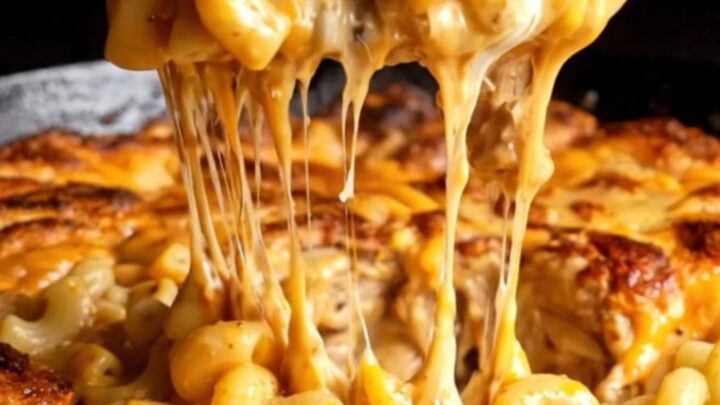
The final result should be a beautiful, golden-brown top with charred edges on the brisket. The cheese around the edges of the baking dish should be bubbling vigorously. The aroma should be distinctly smoky with a hint of toasted cheese.
Before serving, verify that the center is hot. The resting period is crucial here; it allows the sauce to settle and thicken slightly, ensuring the perfect texture for each serving and allowing the meat to reach a safe serving temperature.
Common mistakes
Avoid over-boiling the pasta; it should be cooked to al dente so it maintains its structure when folded into the sauce and later broiled. Another common mistake is using a heat that is too high when melting the cheese, which can cause the milk solids to separate and the sauce to become oily.
Always maintain a gentle simmer and whisk continuously. Additionally, keep a close eye on the broiler, as the sugar in the barbecue sauce can burn very quickly if left unattended for too long.
How to tell it’s done
The dish is considered done when the cheese sauce is hot, smooth, and bubbling throughout the baking dish. The brisket burnt ends should be visibly caramelized, with the edges showing a deep brown color from the sugars in the barbecue sauce. When the dish is removed from the broiler, it should have a slight golden hue on the surface, and the internal temperature of the brisket should reach at least 145°F (63°C) after the required 3-minute resting period.
- Steaks, chops and roasts: 145°F (63°C) in the thickest part, then a 3-minute rest
Up next · Part 3 of 3
2 variations · storage & make-ahead · 3 answers · printable card
Tips, FAQ & printable recipe (Part 3)← Back to the ingredients (Part 1)