Dinner · Part 1 of 3: Ingredients
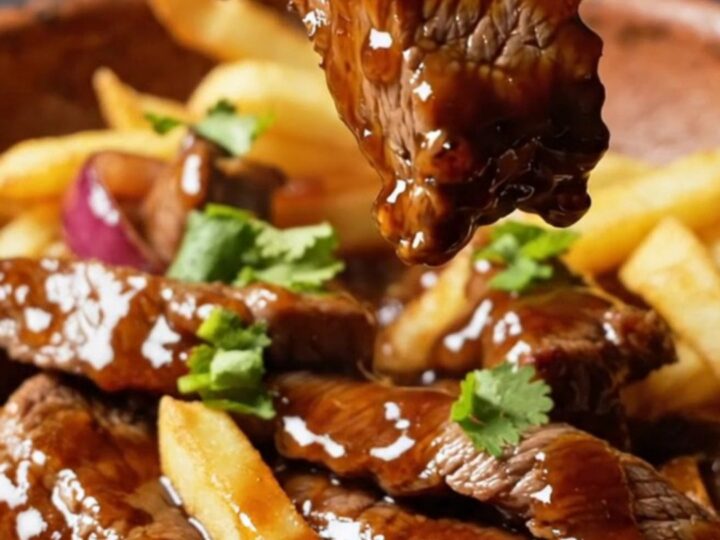
Smoky Peruvian Lomo Saltado: Authentic Wok-Seared Stir-Fry
- Prep
- Cook
- Total
- Serves
- 4
Discover the vibrant, smoky intensity of authentic Peruvian lomo saltado. This classic stir-fry combines the best of two worlds, blending traditional Andean ingredients with Chinese wok techniques for a meal that delivers unparalleled flavor in every single bite.
Lomo saltado is a cornerstone of Peruvian cuisine, representing the fusion of cultures that defines modern South American cooking. By searing tender sirloin at extremely high temperatures, you achieve a smoky, charred finish that pairs perfectly with the acidity of vinegar and the savory depth of soy and oyster sauces.
This recipe focuses on the balance of textures, ensuring that the beef remains tender, the vegetables maintain their crispness, and the fries soak up just enough sauce without becoming soggy. It is a fast, high-impact dish designed for maximum flavor delivery.
Ingredients
Stir-fry
- 1.5 lb beef sirloin, cut into thick strips
Seasoning
- 1 tsp ground cumin
- 1 tsp garlic powder
Sauce
- 1/4 cup soy sauce
- 2 tbsp red wine vinegar
- 1 tbsp oyster sauce
- 1 tbsp aji amarillo paste
Vegetables
- 1 large red onion, cut into wedges
- 2 medium Roma tomatoes, wedged
Serving
- 2 cups crispy french fries, prepared
- 2 tbsp fresh cilantro, chopped
Why this recipe works
The method relies on the high-heat properties of a wok to trigger the Maillard reaction, which is essential for creating the signature char on the beef.
By keeping the cooking time short and the temperature high, the meat stays juicy while the surface develops a complex, smoky flavor profile that defines this dish. Constant motion ensures even cooking and prevents the ingredients from steaming instead of searing.
The sauce acts as a bridge between the savory beef and the earthy vegetables. Using a combination of soy sauce, vinegar, and aji amarillo paste creates a profile that is simultaneously salty, tangy, and mildly spicy.
Deglazing the wok with this liquid at the end of the cooking process captures the flavorful browned bits from the pan, concentrating the flavor into a rich, glossy glaze that coats every component perfectly.
Notes and substitutions
Selecting the right cut of beef is crucial for success. Sirloin is ideal because it offers a balance of tenderness and flavor that holds up well to high-heat searing without becoming tough. If sirloin is unavailable, tenderloin or a well-trimmed flank steak cut against the grain can also work. Always ensure the meat is completely dry before seasoning to prevent it from steaming in the pan.
Aji amarillo paste is the soul of this recipe. It provides a unique, fruity heat that is distinct from other chili pastes.
If you cannot find it at a local market, you can simulate the flavor by blending roasted yellow bell peppers with a small amount of chili flakes or a touch of hot sauce. The equipment is simple, but a heavy-bottomed wok or a large cast-iron skillet is necessary to retain heat.
- Aji amarillo paste: A mild chili paste or a mix of yellow bell pepper purée with a dash of cayenne pepper.
- Red wine vinegar: Sherry vinegar or apple cider vinegar.
Equipment
- Wok
- Sharp chef knife
- Whisk
- Small mixing bowl
- Tongs
Up next · Part 2 of 3
5 steps · 10 min of cooking · what to look for at each stage
Step-by-step instructions (Part 2)