Dinner · Part 1 of 3: Ingredients
Smoky Bacon Manhattan Clam Chowder for the Slow Cooker
- Prep
- Cook
- Total
- Serves
- 6
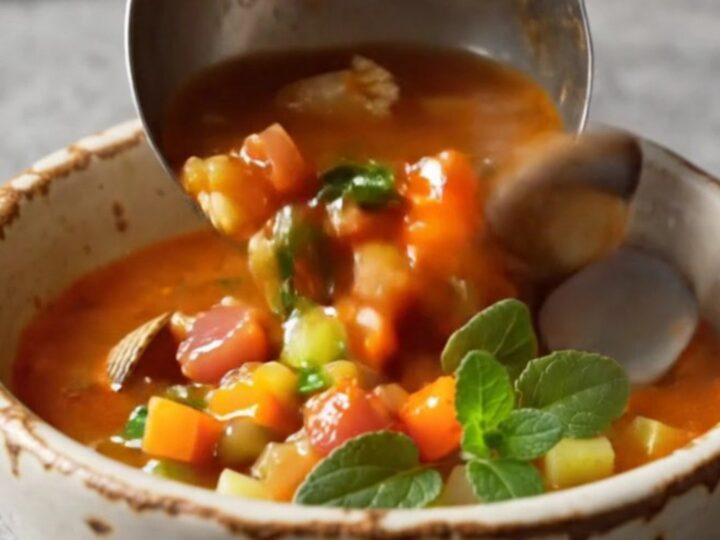
This slow-cooker Manhattan clam chowder is the set-it-and-forget-it dinner that delivers big coastal flavor with minimal effort. Smoky bacon, sweet fire-roasted tomatoes, and tender littleneck clams simmer together for hours, creating a rich, savory broth that tastes like it came from a seaside chowder house.
The dump-and-go method means you can start it in the morning and come home to a kitchen that smells incredible. Serve it with crusty bread for a complete, satisfying meal.
Manhattan clam chowder is a tomato-based chowder that skips the cream and lets the briny clams and smoky bacon shine. This slow-cooker version takes the classic and makes it even easier: you crisp the bacon, toss everything into the Crockpot, and let low heat do the rest.
The result is a deeply flavorful chowder with tender potatoes, sweet carrots, and plump clams that pop open in the savory broth. It's the kind of meal that feels like a special occasion but comes together on a busy weeknight.
Ingredients
- 6 slices thick-cut bacon, chopped
- 1 1/2 lb Yukon Gold potatoes, diced
- 2 medium carrots, diced
- 2 stalks celery, diced
- 28 oz fire-roasted crushed tomatoes
- 2 cups clam juice
- 24 littleneck clams, scrubbed
- Fresh oregano leaves, for serving
Why this recipe works
The slow cooker is ideal for this chowder because it gently simmers the broth for hours, allowing the flavors of the bacon, tomatoes, and clam juice to meld into a cohesive, savory base.
The low, steady heat also ensures the potatoes cook through evenly without turning mushy, while the clams open at their own pace, releasing their briny liquor directly into the pot. This hands-off method lets you walk away and come back to a finished, restaurant-quality dish.
Using fire-roasted tomatoes adds a subtle smokiness that complements the bacon and clam juice beautifully. The acidity of the tomatoes balances the richness of the bacon, while the clam juice provides a deep umami base that ties everything together.
The result is a chowder that is both comforting and bright, with layers of flavor that develop over the long, slow cook.
Notes and substitutions
For the best texture, use Yukon Gold potatoes, which hold their shape well during long cooking and have a buttery flavor. Thick-cut bacon is essential for a meaty, smoky punch; regular bacon may render too quickly and disappear into the broth. Fire-roasted crushed tomatoes are worth seeking out, as they add a charred, smoky note that elevates the entire dish.
Littleneck clams are the classic choice for this chowder because they are small, tender, and sweet. Scrub them thoroughly to remove any grit, and discard any that are cracked or do not close when tapped. If you cannot find littleneck clams, Manila clams are a good substitute, but adjust the cooking time as they may open faster.
- thick-cut bacon: Use smoked ham hock or smoked turkey wings for a different smoky depth.
- Yukon Gold potatoes: Substitute red potatoes or russets; adjust cooking time if needed.
- fire-roasted crushed tomatoes: Regular crushed tomatoes with a pinch of smoked paprika.
- littleneck clams: Use Manila clams or chopped canned clams, adding canned clams in the last 30 minutes.
Equipment
- Slow cooker (6-quart)
- Large skillet
- Cutting board
- Chef's knife
- Measuring cups
- Wooden spoon
Up next · Part 2 of 3
5 steps · 5 h of cooking · what to look for at each stage
Step-by-step instructions (Part 2)