Dinner · Part 1 of 3: Ingredients
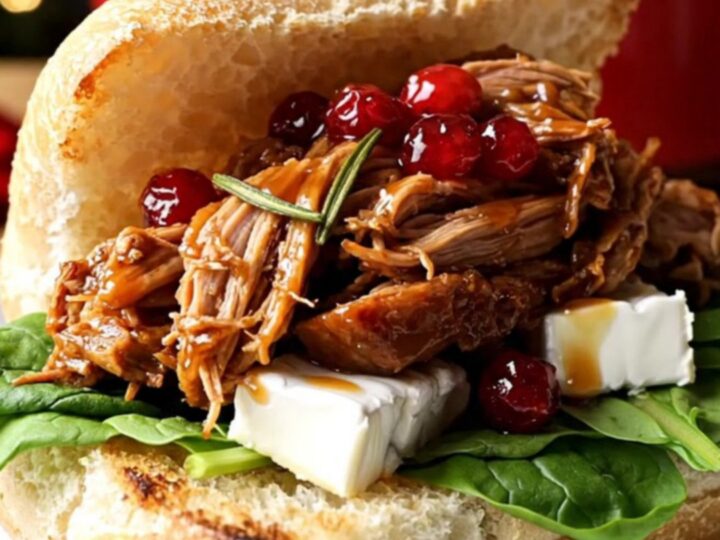
Smoky Chipotle-Cranberry Holiday Pulled Pork Sliders
- Prep
- Cook
- Total
- Serves
- 8
Elevate your holiday table with a centerpiece that is as effortless as it is impressive. This cranberry-chipotle pulled pork combines the rich, savory depth of slow-cooked pork with the bright, seasonal tartness of cranberries. It is a foolproof method for feeding a crowd while keeping your kitchen stress-free during the busy holiday season. With only a few minutes of active preparation, you can achieve a gourmet result that looks and tastes like it took hours of dedicated work in the kitchen.
This recipe is designed for the modern host who values both quality and convenience. By utilizing the slow cooker, you allow the pork butt to break down into succulent, tender fibers while the cranberry and chipotle glaze caramelizes into a deep, flavorful coating.
The combination of the sweet cranberry sauce, smoky heat from the chipotles, and the brightness of the orange juice creates a sophisticated flavor profile that pairs beautifully with the earthy rosemary ciabatta and creamy brie cheese. It is a harmonious dish that brings comfort and elegance to any festive gathering, making it a reliable staple for your seasonal menu rotation.
Ingredients
Pork
- 4 lb pork butt, trimmed
Sauce
- 1 can whole berry cranberry sauce
- 2 chipotles in adobo, minced
- 1/3 cup orange juice
- 2 tbsp brown sugar
Sliders
- 8 rosemary ciabatta rolls
- 8 oz brie cheese, sliced
- 2 cups baby spinach
Why this recipe works
The slow-cooking method is essential for transforming a tough cut of meat like a pork butt into a tender, melt-in-your-mouth masterpiece. By cooking on a low setting for eight hours, the connective tissues gradually break down, ensuring the pork remains moist and flavorful.
The ceramic stoneware of the slow cooker provides gentle, consistent heat that prevents the meat from drying out, which is a common issue with faster cooking methods. This technique is ideal for large roasts as it allows the flavors of the cranberry and chipotle to permeate deep into the meat fibers.
The specific combination of ingredients works synergistically to balance the final dish. The natural acidity of the whole berry cranberry sauce cuts through the inherent richness of the pork, while the chipotles in adobo provide a smoky, savory undertone that prevents the dish from being overly sweet.
The orange juice acts as a bright top note, lifting the heavy flavors and adding complexity to the final sauce. This layering of ingredients ensures that every bite contains a perfect harmony of sweet, smoky, and tangy elements, making it an ideal choice for gourmet slider assembly.
Notes and substitutions
When selecting a pork butt, look for a piece with good marbling, as this fat content is crucial for keeping the meat succulent throughout the long cooking process. If you cannot find rosemary ciabatta rolls, any sturdy, high-quality roll such as brioche or a rustic sourdough bun will work well.
The brie cheese should be sliced thinly to ensure it melts slightly from the residual heat of the pork, providing a luxurious, creamy contrast to the robust, tangy meat. Be sure to mince the chipotles finely to ensure the spicy heat is distributed evenly throughout the entire batch.
The equipment required is minimal, focusing on the efficiency of the slow cooker. A standard 6-quart slow cooker is perfect for a 4-pound roast, allowing enough space for the sauce to bubble and reduce slightly. Using two forks to shred the meat is the most effective way to achieve the desired texture without overworking the pork. If you prefer a thinner sauce, you can remove the lid during the final hour of cooking to allow some of the liquid to evaporate and thicken into a more intense glaze before you begin the final shredding process.
- pork butt: boneless pork shoulder roast
- rosemary ciabatta rolls: brioche slider buns
Equipment
- Slow cooker
- Two forks
- Cutting board
- Chef's knife
- Serving platter
Up next · Part 2 of 3
3 steps · 8 h of cooking · what to look for at each stage
Step-by-step instructions (Part 2)