Dinner · Part 1 of 3: Ingredients
Slow-Simmered Roasted Tomato Beef Ragù with Tagliatelle
- Prep
- Cook
- Total
- Serves
- 4
This slow-simmered roasted tomato beef ragù is the ultimate cozy pasta dinner. By building layers of flavor starting with caramelized aromatics and high-quality ground beef, this dish achieves a restaurant-quality depth that is perfect for a special evening at home.
The combination of fresh pasta and melting cheese creates a luxurious texture that feels both comforting and sophisticated, making it a reliable choice for any night when a hearty, satisfying meal is desired.
Creating an authentic Italian pasta dinner at home is easier than it seems when you follow a few key steps. This recipe focuses on developing a deep, complex flavor profile through patient browning and a slow-simmered tomato sauce. By using San Marzano tomatoes and fresh herbs, you ensure that the ragù has a vibrant, natural sweetness that balances the savory ground beef perfectly.
Tossing the fresh pasta directly into the pan with a bit of the cooking water ensures that every ribbon is coated in a silky, flavorful sauce that clings to the noodles beautifully, resulting in a dish that looks and tastes truly professional.
Ingredients
Base
- 2 tbsp olive oil
- 1 lb ground beef
Aromatics
- 1/2 cup diced carrots
- 1/2 cup diced celery
- 1/2 cup diced yellow onion
- 3 cloves minced garlic
Sauce
- 3 tbsp tomato paste
- 2 cans crushed San Marzano tomatoes
- 1 tsp dried oregano
Seasoning
- kosher salt to taste
- black pepper to taste
Pasta
- 1 lb fresh tagliatelle
Finishing
- 1/2 cup grated parmesan cheese
- 1/2 cup fresh mozzarella cubes
- fresh basil leaves for serving
Why this recipe works
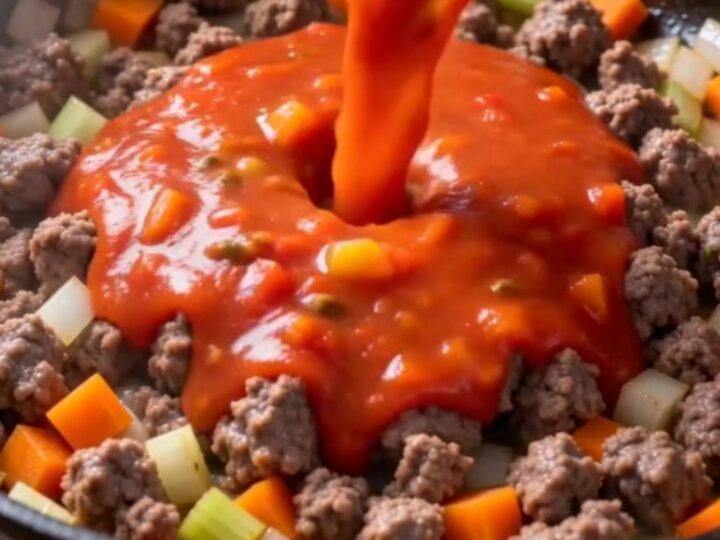
The method of browning the beef alongside the vegetables allows the natural sugars in the onions and carrots to caramelize, creating a rich savory foundation. This initial step is vital because it builds a depth of flavor that cannot be achieved by simply boiling the ingredients together. By rendering the fat from the beef and cooking the vegetables in it, every component becomes infused with a deep, meaty essence that defines a classic ragù.
Slow-simmering the tomato sauce on low heat allows the crushed tomatoes to break down and concentrate their natural sweetness. This process reduces excess moisture, resulting in a thick, velvety consistency that perfectly coats the tagliatelle. The addition of pasta water at the end is a traditional technique that acts as an emulsifier, binding the cheese and the tomato sauce into a cohesive, silky glaze that ensures the pasta never feels dry or separated.
Notes and substitutions
When selecting ingredients, aim for high-quality crushed San Marzano tomatoes, as their lower acidity and superior sweetness are essential for a balanced ragù. Using fresh tagliatelle rather than dried pasta provides a more delicate texture that pairs perfectly with the rich sauce.
If fresh pasta is unavailable, high-quality dried tagliatelle or fettuccine works well, just ensure it is cooked to a perfect al dente state so it retains a pleasant chewiness when tossed in the sauce.
The choice of equipment also matters; using a wide, heavy-bottomed skillet or Dutch oven provides enough surface area for effective browning of the meat and vegetables. This prevents the ingredients from steaming instead of searing.
Fresh mozzarella adds a wonderful creaminess, but ensure it is cut into small, uniform cubes to allow it to melt evenly into the pasta. Always use a wooden spoon to scrape the bottom of the pan to release the flavorful browned bits that accumulate during cooking.
- tagliatelle: fettuccine or pappardelle
- fresh mozzarella: mild fontina or provolone cheese
Equipment
- large skillet or dutch oven
- wooden spoon
- large pasta pot
- tongs
- colander
- grater
Up next · Part 2 of 3
3 steps · 45 min of cooking · what to look for at each stage
Step-by-step instructions (Part 2)