Desserts · Part 2 of 3: Instructions
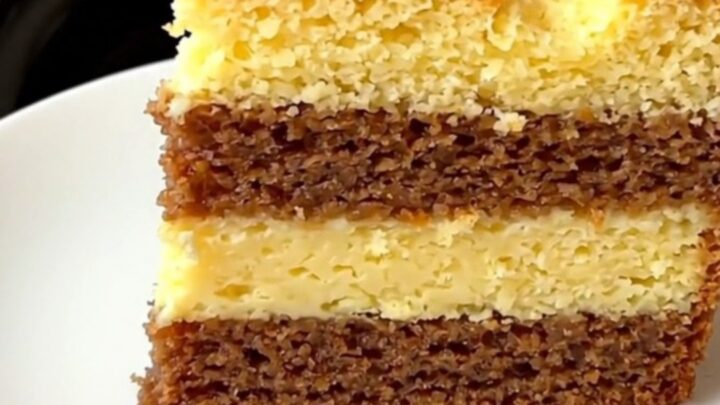
Slow Cooker Vanilla Magic Cake with Three Distinct Layers Step-by-step instructions
- Prep
- Cook
- Total
- Serves
- 6
Before you start
Before beginning, ensure that your slow cooker insert is clean and dry. Measure all ingredients accurately using standard measuring cups.
If your butter is very hot, let it cool for a few minutes so it does not scramble the eggs or affect the consistency of the batter. Having a piece of parchment paper cut to fit your specific slow cooker size is essential for easy removal of the finished cake.
Ingredients at a glance (4)
- 1 cup all-purpose flour
- 1/2 cup unsalted butter, melted
- 3/4 cup granulated sugar
- 2 cups whole milk, warmed
Instructions
Preparation and Mixing
- Prepare the slow cookerLine the base and sides of a slow cooker ceramic insert with parchment paper. Ensure the paper is tall enough to prevent the cake from sticking to the sides of the appliance during the long cooking process.Look for parchment paper is securely fittedTip Use a slightly larger piece of parchment than the insert base to create handles for easy removal.
The batter should be completely lump-free and uniform in appearance. The parchment paper must be neatly lined to prevent sticking. Ensure all ingredients are thoroughly incorporated before securing the lid, as any remaining flour pockets will result in an uneven texture in the final sponge layer.
Slow Cooking Cycle
- Combine ingredientsAdd the flour into the bottom of the prepared slow cooker. Pour the melted butter over the flour, then sprinkle the granulated sugar evenly over the top. Finally, pour the warm milk into the slow cooker and whisk everything gently until the batter is smooth and well-combined.Look for batter is uniform and smoothTip Ensure the milk is warm but not hot to help the ingredients emulsify correctly without cooking the batter prematurely.
The slow cooker should maintain a steady, low temperature throughout the process. You may notice faint steam escaping from the lid, which is normal.
The cake will begin to rise and set, but resist the urge to open the lid, as the humidity inside is required for the top sponge layer to form correctly.
Resting and Cooling
- Cook and setCover the slow cooker and cook on low for approximately 3 hours. Once finished, ensure the cake reaches an internal temperature of 160°F (71°C) to fully set the eggs used in the structure. Turn off the heat and let the cake rest inside the slow cooker for at least 1 hour before carefully lifting it out.Look for cake is set in the centerSafe temperature 160°F (71°C) internal temperature (egg dishes)Tip Do not lift the lid during the cooking process, as this releases steam and lowers the temperature required for the layers to form properly.
After the cooking time, the cake will appear golden on top and firm to the touch. The resting period is critical; it allows the custard and cream layers to firm up enough to be sliced. The cake should be cool enough to handle easily before you attempt to lift it out using the parchment paper handles.
Common mistakes
A common mistake is using milk that is too cold, which makes it difficult to whisk the flour into a smooth batter. Another error is checking the cake too frequently; every time the lid is lifted, heat and moisture escape, which disrupts the delicate setting process.
Finally, do not rush the cooling step, as the cake needs time to stabilize structurally before it can be removed from the pot.
How to tell it’s done
The cake is done when the edges are firm and the center has a slight jiggle, reaching a safe internal temperature of 160°F (71°C).
Because of the custard layer, a toothpick test may not come out perfectly clean, but it should not have raw, liquid batter clinging to it. Let the cake rest for at least one hour to allow the layers to fully set before slicing.
- Egg dishes: 160°F (71°C) in the thickest part
Up next · Part 3 of 3
2 variations · storage & make-ahead · 3 answers · printable card
Tips, FAQ & printable recipe (Part 3)← Back to the ingredients (Part 1)