Desserts · Part 2 of 3: Instructions
Slow Cooker Vanilla Chestnut Spread: A Rich and Creamy Homemade Treat Step-by-step instructions
- Prep
- Cook
- Total
- Serves
- 6
Before you start
Before beginning, ensure that all chestnuts are thoroughly peeled and that any residual outer skin or pith is removed, as this can introduce bitterness to the final spread. If your chestnuts are already peeled, verify that they are clean and free from any debris.
Prepare your workspace by gathering the slow cooker, measuring tools, and the immersion blender. Have a clean, heat-proof container ready to store the finished spread once it has been blended to the appropriate consistency. Proper organization of these tools and ingredients beforehand will ensure a seamless cooking experience.
Ingredients at a glance (4)
- 2 lbs whole raw chestnuts, peeled
- 2 vanilla beans, split lengthwise
- 1 cup cane sugar
- 2 cups water
Instructions
Preparation and Assembly
- Combine ingredientsPlace the prepared chestnuts at the bottom of the slow cooker basin. Arrange the split vanilla beans on top of the chestnuts. Evenly sprinkle the cane sugar over the mixture and pour the water into the slow cooker to submerge the ingredients.Look for Ensure the water covers the majority of the chestnuts for even heat distribution during the cooking cycle.Tip Splitting the vanilla beans allows the tiny seeds to infuse the liquid thoroughly throughout the long cooking time.
At the end of this phase, the slow cooker should be loaded with the chestnuts, sugar, and vanilla beans, with the water level just covering the ingredients. The setup should look organized, with the vanilla beans positioned clearly on top to ensure they are easily accessible for removal later. Confirm that the slow cooker lid is securely placed and that the device is set to the low heat setting before walking away to allow the slow cooking process to begin.
Slow Cooking Cycle
- Slow cookCover the slow cooker with its lid. Set the device to the low heat setting and cook the mixture for approximately six hours, or until the chestnuts are extremely tender when pierced with a fork and have absorbed the vanilla-infused syrup.Look for The chestnuts should be soft enough to crush easily against the side of the slow cooker basin.Tip Do not lift the lid during the first four hours to maintain the consistent internal temperature required for proper softening.
After six hours, the chestnuts should be significantly softer and the liquid should have reduced slightly, becoming syrupy. The aroma of vanilla should be prominent and pleasant. Before moving to the next phase, use a fork to test one chestnut; it should be completely soft.
If it feels firm or woody, continue cooking. Ensure the vanilla bean pods are identified and ready to be removed before the blending process begins to ensure a smooth, professional result.
Blending and Finishing
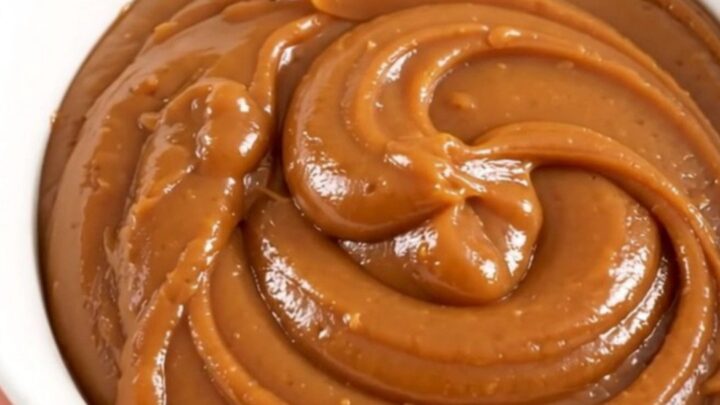
- Blend until smoothOnce the cooking time is complete, remove the vanilla bean pods from the slow cooker. Use an immersion blender to process the chestnut mixture directly in the basin until it reaches a thick, glossy, and perfectly smooth consistency.Look for The spread should look thick and glossy, resembling a smooth nut butter when finished.Tip If the mixture appears too thick after blending, add a tablespoon of warm water at a time until the desired spreadable consistency is reached.
The final phase concludes when the mixture has been blended into a completely smooth, thick, and glossy spread. There should be no visible lumps of chestnut remaining. The texture should be consistent throughout, and the color should be a rich, uniform tan. Once you have achieved this, the spread is ready to be transferred into a clean container for cooling. The consistency should be similar to a thick nut butter, ready for immediate use or storage.
Common mistakes
A common mistake is failing to remove the vanilla bean pods before blending, which can result in woody, fibrous bits in an otherwise smooth spread. Another frequent error is using a high heat setting on the slow cooker, which can cause the sugars to caramelize too quickly and potentially scorch the base of the mixture.
Finally, avoid adding too much water at the beginning; it is easier to thin a thick spread later than it is to reduce a mixture that has become too watery after the long cook.
How to tell it’s done
The chestnut spread is considered done when the chestnuts have reached a state of complete tenderness. When tested with a fork, a chestnut should offer zero resistance and crumble effortlessly. The mixture will appear thick, glossy, and uniform in color.
Once blended, it should hold its shape slightly on a spoon while remaining spreadable. If the mixture looks grainy or resists blending, it may require an additional thirty minutes of cooking time to ensure the starches have fully softened for a velvety finish.
Up next · Part 3 of 3
2 variations · storage & make-ahead · 3 answers · printable card
Tips, FAQ & printable recipe (Part 3)← Back to the ingredients (Part 1)