Desserts · Part 1 of 3: Ingredients
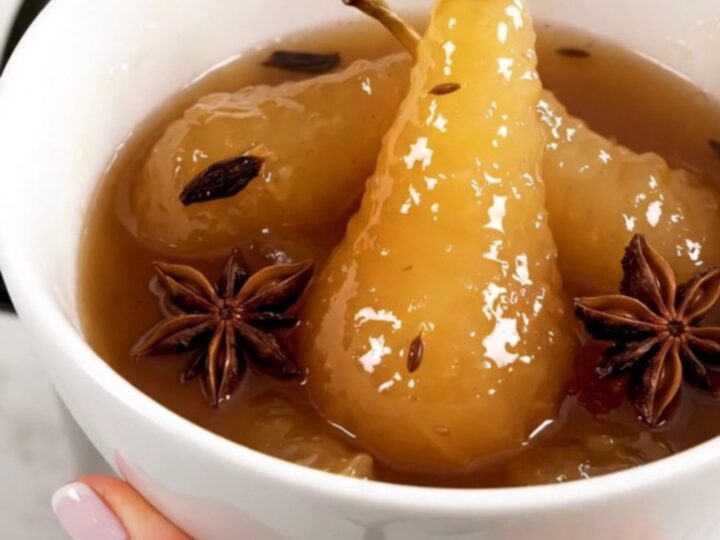
Slow Cooker Vanilla and Star Anise Pear Compote
- Prep
- Cook
- Total
- Serves
- 4
This slow cooker pear compote is the ultimate way to highlight the delicate, floral sweetness of autumn pears while infusing them with the deep, warm notes of vanilla and star anise. It is a simple, elegant dessert that requires almost no active effort, making it ideal for busy evenings when a refined finish to a meal is desired without spending hours in the kitchen. The gentle, consistent heat of the slow cooker ensures that the fruit remains perfectly tender and succulent every single time.
Developing a dessert that requires almost zero active time is a game-changer for casual entertaining or a quiet weeknight treat. By utilizing the gentle, consistent heat of a slow cooker, the pears soften beautifully without breaking down into a mushy puree. The addition of star anise provides a subtle, spicy complexity that balances the sweetness of the fruit, while the vanilla bean adds a luxurious, aromatic depth that permeates every bite of the finished dish.
This recipe focuses on purity of flavor, allowing the natural characteristics of the pears to shine through while being enhanced by the aromatic spices. It is a timeless preparation that brings out a sophisticated profile, perfect for serving warm on its own or alongside a simple accompaniment to round out the experience.
Ingredients
- 4 large ripe pears, peeled, cored and sliced
- 2 whole star anise
- 1 pod vanilla bean, split and scraped
- 1/4 cup blond sugar
- 1 tbsp lemon juice
Why this recipe works
The slow cooker method creates a controlled environment where moisture is trapped, allowing the pears to poach in their own juices combined with the sugar and lemon. This results in a succulent texture that would be difficult to achieve with high-heat methods, as the fruit remains intact rather than disintegrating.
The low, steady temperature ensures the flavors of the vanilla and star anise are slowly extracted and infused into the fruit. This long, gentle process allows the natural sugars of the pears to caramelize slightly, creating a rich syrup that coats the fruit evenly, resulting in a balanced and sophisticated dessert.
By avoiding the rapid boiling associated with stovetop poaching, the fruit maintains its structural integrity and visual appeal. The slow cooker acts as a gentle vessel, ensuring that the heat penetrates the pears evenly without causing them to become mushy or lose their shape.
This method is particularly effective for larger batches, as it provides consistent results regardless of the volume, ensuring every pear slice is perfectly infused with the aromatic notes of the vanilla and star anise, creating a harmonious and deeply flavorful dessert experience that feels truly special.
Notes and substitutions
Select pears that are ripe but still firm to the touch, such as Bartlett or Bosc varieties. If the pears are overripe, they will lose their shape during the long cooking cycle. Ensure the vanilla bean is split lengthwise so the tiny seeds can easily disperse throughout the cooking liquid for maximum flavor distribution. The quality of the vanilla bean is paramount, as it provides the primary aromatic backbone for the dish, so choose a plump, fragrant pod whenever possible to ensure the best results.
The choice of blond sugar is intentional, as it provides a mild molasses note without overpowering the delicate fruit. If using a different sugar, adjust the amount slightly to account for sweetness levels.
The star anise is a powerful spice, so stick to the two whole pieces to ensure the licorice notes remain a background element. If the star anise is left in too long after cooking, the flavor can become overwhelming, so remove it as soon as the pears are tender to maintain a perfectly balanced flavor profile.
- blond sugar: light brown sugar or granulated white sugar
- vanilla bean: 1 teaspoon of high-quality vanilla bean paste
Equipment
- slow cooker
- paring knife
- peeler
- measuring cups
- measuring spoons
Up next · Part 2 of 3
3 steps · 3 h of cooking · what to look for at each stage
Step-by-step instructions (Part 2)