Dinner · Part 1 of 3: Ingredients
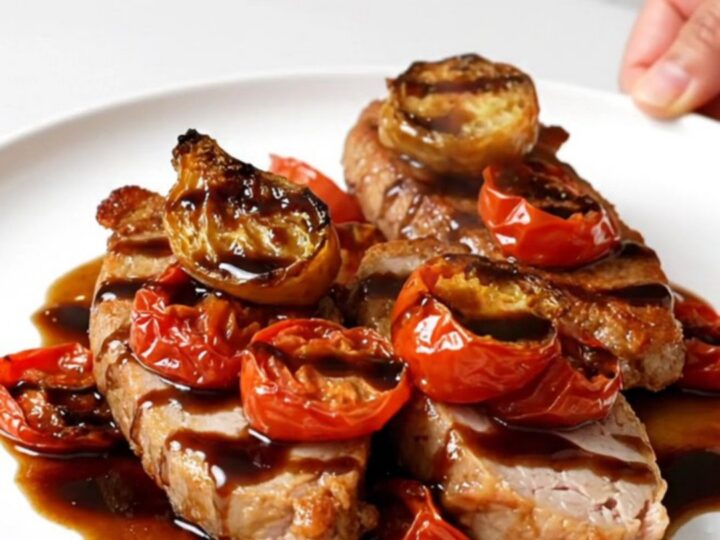
Slow Cooker Turkey Bruschetta Tenderloins
- Prep
- Cook
- Total
- Serves
- 4
Discover a simple way to elevate your weeknight dinner with tender, balsamic-infused turkey. This slow cooker recipe requires minimal effort, delivering a restaurant-quality meal that is perfect for busy schedules. By using fresh tomatoes and aromatics, you create a rich, flavorful sauce that keeps the turkey succulent and moist. It is a reliable method for anyone seeking a hearty meal without spending hours in the kitchen, proving that slow cooking is the ultimate solution for stress-free, delicious dining every single time.
Slow cooker turkey bruschetta tenderloins offer a sophisticated flavor profile with the convenience of hands-off cooking. This recipe utilizes the gentle, steady heat of a slow cooker to transform lean turkey tenderloins into a tender, melt-in-your-mouth dish.
The combination of acidic balsamic vinaigrette, sweet tomatoes, and savory garlic creates a balanced sauce that infuses the meat with deep, complex flavors. Perfect for a quick assembly, this dish allows the slow cooker to handle the heavy lifting while you focus on other tasks, making it an ideal choice for both weeknight dinners and relaxed weekend meals.
Ingredients
- 1.5 lb turkey tenderloins
- 2 cups diced tomatoes
- 1/2 cup red onion, diced
- 1 tbsp dried Italian herb blend
- 2 tsp minced garlic
- 1/4 cup balsamic vinaigrette
Why this recipe works
The slow cooker method is ideal for lean cuts like turkey tenderloins, as the low and steady heat prevents the meat from drying out. By simmering the turkey in a mixture of tomatoes and balsamic vinaigrette, the juices are locked in while the meat absorbs the savory aromatics.
This process ensures that every bite remains tender and flavorful, providing a consistent texture that is difficult to achieve with faster, high-heat cooking methods. The slow, gradual breakdown of the ingredients creates a naturally thick and rich sauce without needing additional thickeners.
Using a slow cooker also allows the flavors of the garlic, herbs, and balsamic to meld and develop over several hours, resulting in a more complex profile than a quick stovetop sauté. This technique is highly forgiving, as it allows for flexibility in timing while the ingredients gently combine.
The steady environment of the slow cooker insert ensures that the heat is distributed evenly, reducing the risk of uneven cooking or scorching. It is a reliable approach that guarantees a satisfying result, making it a go-to technique for efficient and delicious home cooking.
Notes and substitutions
When selecting turkey tenderloins, look for pieces that are uniform in size to ensure they cook at the same rate. If your tenderloins are significantly different in thickness, you can gently pound the thicker sections to match the thinner ones. This simple step helps maintain consistency and prevents overcooking.
Ensure that the balsamic vinaigrette you choose is of good quality, as it forms the base of your sauce. A standard, well-balanced vinaigrette works best for this recipe, providing the necessary acidity to balance the sweetness of the tomatoes and the richness of the turkey.
The slow cooker should be clean and dry before you begin. Ensure the insert is properly seated to allow for optimal heat transfer. While this recipe uses a standard slow cooker, the cooking time can vary slightly depending on the specific model and its heat intensity. Always check the turkey with a meat thermometer to confirm it has reached the safe internal temperature of 165°F (74°C). If you prefer a more intense flavor, you can let the turkey rest in the juices for a few extra minutes after cooking, which allows it to absorb even more moisture and seasoning.
- Turkey tenderloins: Boneless skinless chicken breasts
- Balsamic vinaigrette: Balsamic glaze mixed with a little olive oil
Equipment
- Slow cooker
- Measuring cups
- Measuring spoons
- Chef's knife
- Cutting board
Up next · Part 2 of 3
3 steps · 4 h of cooking · what to look for at each stage
Step-by-step instructions (Part 2)