Dinner · Part 1 of 3: Ingredients
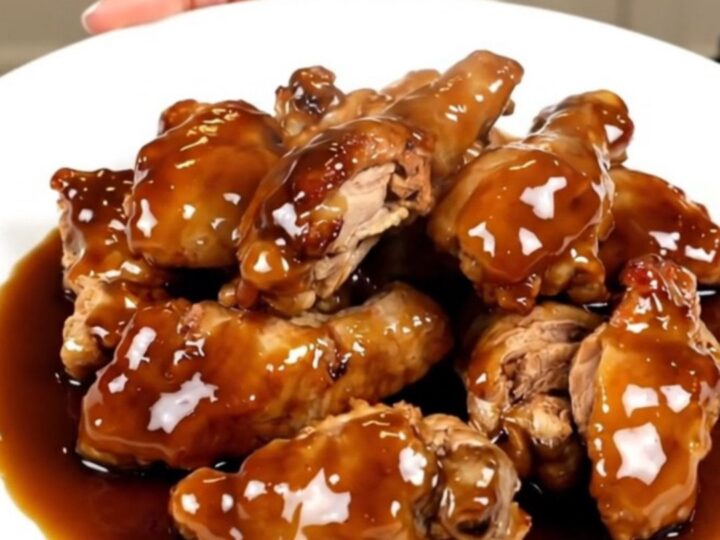
Slow Cooker Teriyaki Pineapple Chicken for an Easy Weeknight Dinner
- Prep
- Cook
- Total
- Serves
- 4
Searching for a dinner that requires almost zero effort but delivers maximum flavor? This slow cooker teriyaki pineapple chicken is the answer. With only four pantry-friendly ingredients, you can set it and forget it, returning home to a meal that tastes like a professional kitchen creation. It is the perfect blend of sweet pineapple and savory, umami-rich teriyaki sauce that coats tender chicken perfectly every single time you prepare it.
Cooking dinner should not be a complicated chore, and this recipe proves that simplicity often yields the best results. By utilizing the slow cooker, you allow the chicken to braise gently in the teriyaki sauce, absorbing the sweetness of the pineapple and the deep notes of the glaze.
This method creates a succulent, melt-in-your-mouth texture that is difficult to achieve with high-heat cooking methods. Whether you are a busy professional or managing a full household, this recipe provides a stress-free solution for any night of the week, promising a satisfying result without the need for constant supervision or excessive cleanup.
Ingredients
- 1.5 lb chicken breasts, cut into cubes
- 1 cup pineapple chunks
- 1/4 cup brown sugar
- 1 cup teriyaki sauce
Why this recipe works
The slow cooker method works by maintaining a consistent, low temperature that allows the proteins to remain moist while the flavors meld together over time. This gentle heat breaks down the connective tissues in the chicken, ensuring it remains tender rather than tough or dry.
The addition of pineapple provides an acidic balance that cuts through the saltiness of the teriyaki sauce, creating a complex flavor profile that feels refined yet remains incredibly easy to execute for any home cook.
Furthermore, the reduction of the sauce within the slow cooker creates a naturally thickened, glossy glaze. As the moisture from the chicken and the fruit releases, it combines with the sugar and soy-based teriyaki, resulting in a rich, syrupy consistency that clings to the chicken pieces.
This process eliminates the need for cornstarch slurries or additional thickening agents, keeping the ingredient list short and the preparation time minimal while maximizing the depth and quality of the final dish.
Notes and substitutions
For the best results, use fresh chicken breasts that have been trimmed of excess fat. While boneless skinless thighs are a great alternative that provides extra juiciness, breasts are perfectly suitable if you keep an eye on the cooking time to prevent overcooking. The quality of your teriyaki sauce will significantly influence the final outcome, so choose a version that you enjoy on its own, as it forms the primary flavor base for the entire meal.
Regarding equipment, any standard oval or round slow cooker will work well for this recipe. Ensure that the insert is clean and the lid fits securely to maintain the necessary steam and heat circulation.
If you find yourself without brown sugar, you can substitute it with an equal amount of honey, which will add a floral sweetness and contribute to the beautiful, shiny appearance of the finished sauce, or even dark molasses for a more robust, earthy flavor.
- chicken breasts: boneless skinless chicken thighs for a juicier result
- brown sugar: honey or maple syrup for a different depth of sweetness
Equipment
- Slow cooker
- Glass measuring cup
- Cutting board
- Chef knife
Up next · Part 2 of 3
3 steps · 4 h of cooking · what to look for at each stage
Step-by-step instructions (Part 2)