Dinner · Part 1 of 3: Ingredients
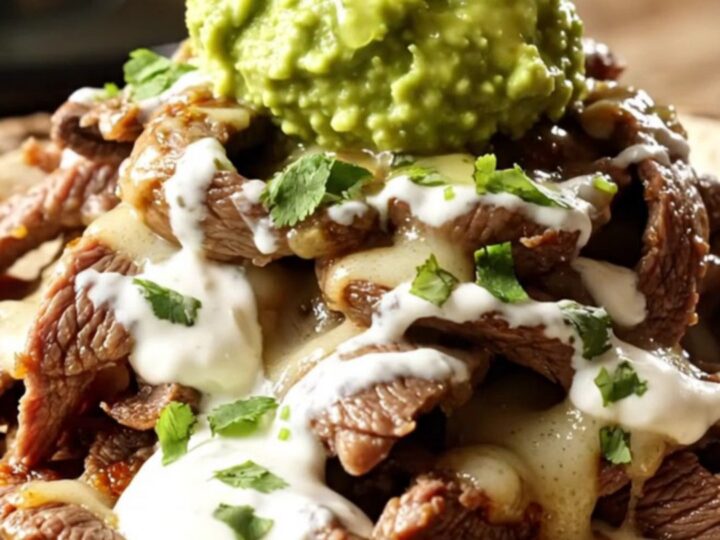
Slow-Cooker Tequila Lime Skirt Steak and Portobello Mushroom Fajitas
- Prep
- Cook
- Total
- Serves
- 6
Elevate your weeknight dinner rotation with these slow-cooker fajitas that deliver deep, complex flavors with minimal effort. By utilizing the slow cooker, you transform tougher cuts of steak into melt-in-your-mouth strips while allowing the portobello mushrooms to soak up every drop of the zesty tequila-lime marinade.
This recipe is designed to be a stress-free centerpiece for any meal, requiring only a few minutes of active preparation before the magic happens over several hours of gentle, flavorful simmering.
Creating a restaurant-style fajita experience at home has never been easier than with this slow-cooker method. The combination of savory garlic-chili spices, vibrant peppers, and the richness of melted Pepper Jack cheese creates a balanced plate that satisfies every craving.
This dish relies on the slow, low-heat environment to break down the connective tissues in the skirt steak, ensuring tenderness that is often difficult to achieve with quick high-heat searing. Whether you are planning a relaxed date night or a simple family dinner, these fajitas provide a reliable, delicious result that feels special every time you serve it.
Ingredients
Main
- 2 lb outer skirt steak, sliced into strips
- 2 lb portobello mushrooms, thick-sliced
- 2 red bell peppers, sliced
- 1/4 cup tequila-lime marinade
- 2 tbsp garlic-chili rub
Topping
- 1 cup Pepper Jack cheese, shredded
Serving
- 1 cup guacamole, for serving
- 1/2 cup sour cream, for serving
- 1/4 cup fresh cilantro, chopped, for serving
- 2 limes, cut into wedges, for serving
Why this recipe works
The slow cooking process is essential for this recipe because it gently breaks down the fibers in the skirt steak, turning it incredibly tender while simultaneously allowing the portobello mushrooms to act like sponges, absorbing all the aromatic garlic, chili, and citrus notes from the marinade. This method ensures that every bite is deeply infused with flavor, creating a cohesive dish where the steak and mushrooms complement each other perfectly.
Furthermore, the gentle heat prevents the steak from becoming tough or chewy, a common issue when cooking skirt steak quickly. By cooking on low for five hours, the moisture remains trapped within the pot, creating a flavorful braising liquid that keeps the entire mixture succulent. Adding the cheese at the very end ensures a gooey, melted finish that binds the ingredients together without burning or separating, resulting in a luxurious texture that elevates the overall fajita experience.
Notes and substitutions
When selecting your ingredients, look for portobello mushrooms that are firm and free of dark spots to ensure they hold their structure during the long cooking time. If you cannot find pre-sliced skirt steak, you can easily slice the meat yourself against the grain to ensure maximum tenderness.
The tequila-lime marinade is the backbone of this dish; ensure you use a high-quality blend to provide the necessary acidity that cuts through the richness of the steak and cheese, balancing the final flavor profile effectively.
For the best results, use a standard 6-quart slow cooker. If your slow cooker runs particularly hot, you might want to check the internal temperature of the steak closer to the four-hour mark.
Always ensure your Pepper Jack cheese is freshly shredded rather than using pre-packaged shreds, which often contain anti-caking agents that prevent smooth melting. This small detail makes a significant difference in the final texture of your fajitas, providing that silky, restaurant-style finish you expect from this type of comfort dish.
- Tequila-lime marinade: A mixture of fresh lime juice, olive oil, and a splash of agave syrup
- Outer skirt steak: Flank steak or hanger steak
- Pepper Jack cheese: Monterey Jack or mild cheddar cheese
Equipment
- Slow cooker
- Chef's knife
- Cutting board
- Measuring cups
- Measuring spoons
Up next · Part 2 of 3
3 steps · 5 h of cooking · what to look for at each stage
Step-by-step instructions (Part 2)