Dinner · Part 2 of 3: Instructions
Slow Cooker Sweet Spiced Lamb Shoulder for Tender Results Step-by-step instructions
- Prep
- Cook
- Total
- Serves
- 6
Before you start
Before beginning, ensure your slow cooker is clean and positioned on a stable, heat-resistant surface. Take the lamb shoulder out of the refrigerator about 20 minutes before you start to take the chill off the meat, which helps with more even cooking.
Prepare your workstation by having your onions sliced and your spices measured out. Have your veal stock ready in a measuring cup so you can pour it in one smooth motion. Checking that your slow cooker is plugged in and ready to go will make the assembly process quick and efficient.
Ingredients at a glance (4)
- 3 lb lamb shoulder, trimmed of excess fat
- 2 large red onions, thinly sliced
- 2 tbsp mixed sweet spices (such as cinnamon, allspice, and cloves)
- 1 cup veal stock
Instructions
Assembly Phase
- Prepare the Slow Cooker BasePlace the raw lamb shoulder directly into the base of the slow cooker. Distribute the thinly sliced red onions evenly over the top of the meat to ensure they release their moisture and sweetness during the long cooking process.Look for The lamb should fit comfortably in the bottom of the slow cooker insert without being overcrowded.Tip Ensure the lamb is placed fat-side up if it has a fat cap to allow it to baste the meat as it renders.
At the end of this phase, the lamb should be nestled firmly in the bottom of the slow cooker with the sliced onions distributed over it. The smell of raw meat and fresh onions will be prominent. Ensure the lamb is positioned securely so it does not shift during the long cooking duration, and verify that the slow cooker is set to the correct low-temperature setting for the extended cooking time.
Seasoning Phase
- Season and Add LiquidSprinkle the mixed sweet spices generously over the lamb and onions. Pour the veal stock carefully into the slow cooker, ensuring it reaches the bottom around the meat without washing all the spices off the top.Look for The spices should coat the surface of the lamb, while the stock pools at the base of the slow cooker.Tip If using a spice blend containing salt, be mindful not to over-season as the stock will reduce and concentrate flavors.
Once the spices and veal stock are added, the aromatic profile of the dish will begin to sharpen. The spices should be evenly distributed over the surface of the lamb. Check that the stock has reached the bottom of the vessel without displacing too many of the spices. The visual of the dark, savory stock meeting the spiced lamb indicates that the ingredients are ready to begin their long, slow integration.
Cooking and Resting Phase
- Slow Cook and RestCover the slow cooker and cook on low for 8 hours until the meat is fork-tender. Once cooked, remove the lamb to a platter and let it rest for 10 minutes. Ensure the internal temperature reaches at least 145°F (63°C) for food safety.Look for The lamb is done when it pulls apart easily with a fork and the internal temperature reaches 145°F (63°C).Safe temperature 145°F (63°C) internal temperature (steaks, chops and roasts)Tip Letting the meat rest before carving or shredding is essential to retain the juices and ensure the best texture.
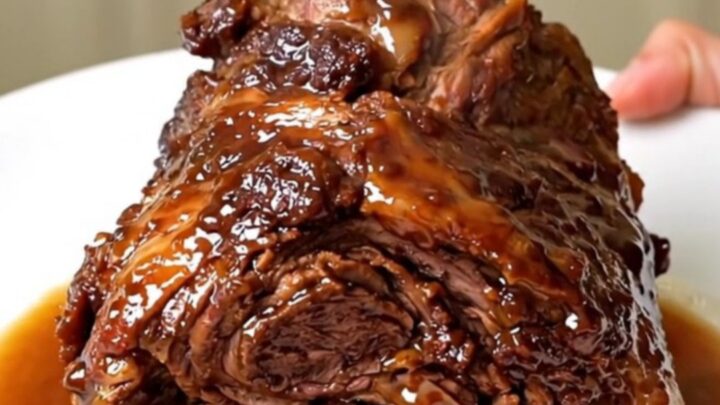
When the cooking time is complete, the house should be filled with a rich, savory aroma. The lamb will look glossy and tender, and the onions will have almost completely broken down into the cooking liquid.
Confirm the meat is fork-tender and check the internal temperature is at least 145°F (63°C). The resting period is crucial; the meat will firm up slightly and become much easier to carve or shred after this short break.
Common mistakes
A common mistake is overcrowding the slow cooker, which can prevent the meat from cooking evenly. Always choose a slow cooker size that is appropriate for the size of your lamb shoulder.
Another error is checking the meat too often; every time you lift the lid, you lose heat and moisture, which extends the cooking time significantly. Avoid adding too much liquid, as the lamb and onions will release a considerable amount of their own juices, which would result in a thin, watery sauce.
How to tell it’s done
The lamb is perfectly cooked when it is fork-tender and pulls away from the bone or falls apart with minimal pressure. The meat should be succulent and moist, never dry or stringy.
For safety, use a meat thermometer to ensure the thickest part of the lamb has reached an internal temperature of at least 145°F (63°C). Allowing the meat to rest for at least 10 minutes on a cutting board before serving allows the fibers to relax and the juices to redistribute throughout the roast.
- Steaks, chops and roasts: 145°F (63°C) in the thickest part, then a 3-minute rest
Up next · Part 3 of 3
2 variations · storage & make-ahead · 3 answers · printable card
Tips, FAQ & printable recipe (Part 3)← Back to the ingredients (Part 1)