Dinner · Part 2 of 3: Instructions
Slow Cooker Sweet and Sour Pineapple Pork Shoulder Step-by-step instructions
- Prep
- Cook
- Total
- Serves
- 6
Before you start
Before beginning, ensure that your slow cooker is clean and positioned on a stable, heat-resistant surface near an electrical outlet. Prepare the pork by trimming any large pieces of surface fat and cutting the meat into uniform, bite-sized chunks.
Wash and dry the red bell pepper thoroughly, then remove the seeds and membrane before cutting it into even squares. Having all your ingredients measured and prepared before you start layering will make the assembly process efficient and straightforward, allowing you to get the meal started in just a few minutes.
Ingredients at a glance (4)
- 2 lb pork shoulder, cut into chunks
- 1 cup red bell pepper, cut into squares
- 1 cup pineapple chunks
- 1 1/2 cups sweet and sour sauce, store-bought or made ahead
Instructions
Layering the ingredients
- Prep the slow cookerPlace the pork shoulder chunks into the bottom of the slow cooker, ensuring they are distributed in an even layer to promote consistent cooking throughout the meat.Look for Pork pieces are sitting flat at the bottom of the vessel.Tip Trim any excessive fat from the pork pieces before placing them in the cooker for a cleaner final sauce.
At the end of this phase, the pork should be arranged in a single, even layer at the bottom of the slow cooker. The ingredients are ready to begin the slow braising process, and the slow cooker is properly positioned and ready to be turned on. Ensure that the cord is safely placed and that the environment is clear so the cooking process can proceed without any interruptions or safety concerns.
Adding the final elements
- Add vegetables and fruitScatter the red bell pepper squares over the pork chunks, followed by the pineapple chunks, distributing them evenly to allow the juices to meld with the meat during the long cooking process.Look for Bell peppers and pineapple are spread across the top of the raw pork.Tip Use fresh pineapple if possible for a brighter flavor, but canned pineapple in juice works well for a consistent result.
The bell peppers and pineapple should be distributed in a balanced layer over the pork. The sauce is poured evenly over everything to ensure maximum coverage.
At this point, the slow cooker is ready to be covered, and the cooking time can be initiated. Check that the ingredients are not piled too high, which could prevent the lid from sealing properly and impacting the efficiency of the slow cooking cycle.
Slow cooking to completion
- Pour sauce and cookPour the sweet and sour sauce over the ingredients, cover the slow cooker, and cook on low for 8 hours until the pork reaches an internal temperature of 145°F (63°C). Let the pork rest for 5 minutes before serving to ensure tenderness.Look for The sauce is bubbling and the pork is fork-tender.Safe temperature 145°F (63°C) internal temperature (steaks, chops and roasts)Tip Verify the temperature with a meat thermometer inserted into the thickest part of the largest pork chunk.
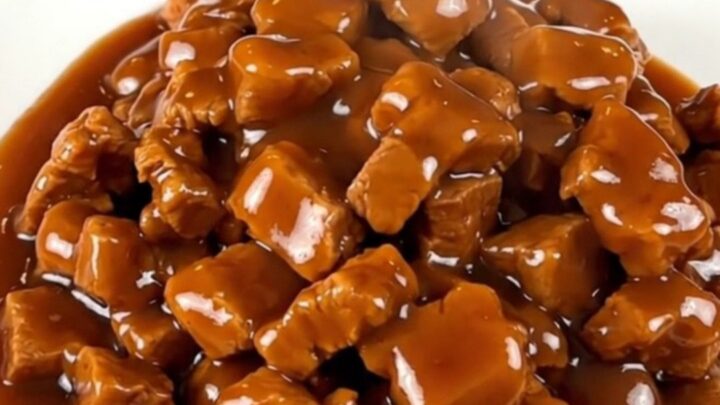
The final result should be a rich, glossy dish where the pork is incredibly tender and the sauce has thickened into a flavorful glaze. The bell peppers should be soft but still hold their shape, and the pineapple should be tender and slightly caramelized. The internal temperature must be confirmed before serving, and the dish should look steaming and appetizing, ready to be plated for a satisfying meal.
Common mistakes
A common mistake is overcrowding the slow cooker, which can lead to uneven cooking and excess liquid that dilutes the flavor of the sauce. Avoid lifting the lid frequently during the cooking process, as this releases heat and moisture, significantly increasing the total cooking time and potentially affecting the tenderness of the pork.
Additionally, ensure the pork is cut into uniform pieces; if the chunks are too large, they may not cook through properly within the designated timeframe, whereas pieces that are too small might break down too much and lose their texture.
How to tell it’s done
The pork is perfectly done when it is fork-tender, meaning it easily pulls apart with a fork without any resistance. Because this is a whole-cut meat, you must ensure it reaches a minimum internal temperature of 145°F (63°C).
Using a reliable digital meat thermometer is the most accurate way to check this; insert the probe into the center of the largest piece of pork. Once the target temperature is reached, allow the meat to rest for at least 5 minutes before serving, which helps the juices redistribute throughout the meat, ensuring maximum tenderness in every bite.
- Steaks, chops and roasts: 145°F (63°C) in the thickest part, then a 3-minute rest
Up next · Part 3 of 3
2 variations · storage & make-ahead · 3 answers · printable card
Tips, FAQ & printable recipe (Part 3)← Back to the ingredients (Part 1)