Dinner · Part 2 of 3: Instructions
Slow Cooker Split Pea and Smoked Bacon Soup Step-by-step instructions
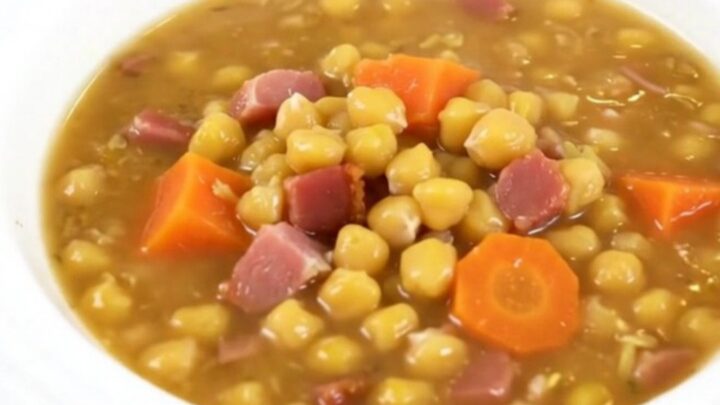
- Prep
- Cook
- Total
- Serves
- 6
Before you start
Before beginning, ensure your slow cooker is clean and positioned on a level, heat-resistant surface. Prepare the ingredients by dicing the bacon into bite-sized pieces and slicing the carrots into consistent rounds.
Rinse the split peas under cold running water until the water runs clear, then drain them thoroughly. Have your water measured out and ready to go. Ensure you have a ladle and serving bowls nearby so you are prepared to serve the soup immediately once it is finished cooking.
Ingredients at a glance (5)
- 8 oz smoked bacon, diced
- 1 lb dried split peas
- 2 cups sliced carrots
- 1 bay leaf
- 6 cups water
Instructions
Preparation and layering
- Layering the ingredientsPlace the diced smoked bacon into the bottom of the slow cooker insert. Ensure the bacon is spread out evenly across the base to provide a foundation of flavor as the fat renders during the long cooking process.Look for The bacon should cover the bottom of the slow cooker.Tip Dicing the bacon into uniform pieces ensures even cooking.
The bacon should be evenly distributed at the bottom of the insert, providing a solid base for the other ingredients. Ensure the peas and carrots are scattered uniformly, and the bay leaf is positioned near the top.
The visual goal is a well-organized pot where all ingredients are ready to be covered with water, ensuring that the flavors will meld correctly as they heat up during the slow cooking process.
Simmering phase
- Adding vegetables and aromaticsScatter the dried split peas and sliced carrots over the bacon. Place the bay leaf on top of the mixture. Pour the water over the entire arrangement until the ingredients are fully submerged.Look for The water should cover the peas and carrots.Tip Rinse the split peas under cold water in a fine-mesh sieve before adding them to the slow cooker to remove any debris.
During the long simmer, the soup will transform from a mixture of individual components into a cohesive dish. The liquid will begin to look slightly cloudy as the starch from the peas is released, which is exactly what you want for a thick texture. You should notice a pleasant, smoky aroma filling the kitchen as the bacon renders, indicating that the flavors are successfully infusing the base of the soup.
Final texture check
- Slow cooking the soupCover the slow cooker and cook on the low setting for 6 to 8 hours, or on the high setting for 3 to 4 hours. The soup is ready when the peas have broken down into a creamy consistency and the carrots are tender.Look for The soup will appear thick and the peas will be soft.Tip If the soup becomes too thick, stir in a little extra hot water until the desired consistency is achieved.
At the end of the cooking time, the soup should be thick, creamy, and uniform. The peas should have lost their distinct shape, turning into a smooth purée. If the soup appears too thick for your preference, stir in a small amount of water until you reach the desired consistency. Ensure the carrots are tender and the bay leaf is removed before serving to provide a pleasant, refined eating experience.
Common mistakes
A common mistake is using too little liquid, which can lead to a soup that is overly thick or prone to sticking. Always ensure the peas are fully covered with water at the start. Another error is not checking the split peas for debris; always rinse them well.
Avoid lifting the lid of the slow cooker frequently during the cooking process, as this releases heat and significantly increases the required cooking time, potentially leading to uneven results.
How to tell it’s done
The soup is done when the split peas have completely softened and broken down, resulting in a thick, creamy texture. The carrots should be fork-tender but still hold their shape.
The liquid will have thickened significantly, and the bacon will be tender and fully integrated into the soup. There is no protein to test for temperature, but the soup should be steaming hot throughout, indicating it has reached a safe serving temperature of at least 165°F (74°C).
Up next · Part 3 of 3
2 variations · storage & make-ahead · 3 answers · printable card
Tips, FAQ & printable recipe (Part 3)← Back to the ingredients (Part 1)