Dinner · Part 3 of 3: Tips & recipe card
Slow Cooker Spicy Pineapple Barbecue Ribs Tips, FAQ & printable recipe
- Prep
- Cook
- Total
- Serves
- 4
Tips for success
If you prefer a more caramelized finish, you can transfer the cooked ribs to a baking sheet and place them under a broiler for 2 to 3 minutes until the sauce bubbles and slightly chars. Watch them closely during this step to prevent the sugars in the barbecue sauce from burning, as this happens very quickly under high heat.
For a deeper flavor profile, consider adding a dash of liquid smoke or a pinch of cayenne pepper to your barbecue sauce before pouring it over the ribs.
This adds a subtle complexity that contrasts well with the sweetness of the pineapple. Always adjust your seasonings to your own preference, but keep the core ratios consistent to ensure the texture remains perfect.
Variations
- Spicy Kick: Add a tablespoon of chopped jalapeños or a teaspoon of red chili flakes to the slow cooker to give the ribs a significant spicy heat that complements the pineapple.
- Honey Garlic: Replace the barbecue sauce with a mixture of honey, soy sauce, and minced garlic for a sweeter, savory glaze that offers a completely different flavor profile.
Storage and make-ahead
- Fridge
- Store in an airtight container for up to 3 days.
- Freezer
- Freeze in a sealed container for up to 2 months.
- Reheat
- Reheat in the oven at 300°F until warmed through.
Store any leftovers in an airtight container in the refrigerator for up to 3 days. To maintain the quality of the meat, ensure that the ribs are completely cooled to room temperature, which should take no longer than 2 hours, before placing them into the refrigerator.
This prevents the growth of bacteria and keeps the texture of the pork as close to fresh as possible.
You can prepare the dry seasoning mix in advance and store it in an airtight jar. While the ribs are best cooked fresh, you can prep the ribs and store them in the fridge for a few hours before cooking. Do not add the sauce or pineapple until you are ready to turn on the slow cooker to prevent the meat from becoming mushy.
Serving ideas
Serve these ribs on a large, warm platter to maintain their temperature. They pair exceptionally well with classic barbecue sides such as coleslaw, potato salad, or roasted corn.
The sweetness of the pineapple glaze complements tangy or acidic side dishes, creating a well-rounded meal that is perfect for informal family dinners or casual weekend gatherings with friends and guests.
When serving, consider providing extra barbecue sauce on the side for those who prefer a more intense flavor.
Since the ribs are quite tender, use sturdy serving tongs to transfer them from the slow cooker to the plate, ensuring they do not fall apart before they reach the table. A garnish of fresh herbs can add a nice touch of color to the final presentation.
Frequently asked questions
Can these ribs be made in a pressure cooker?
Why is it important to rest the ribs?
Can fresh pineapple be used instead of canned?
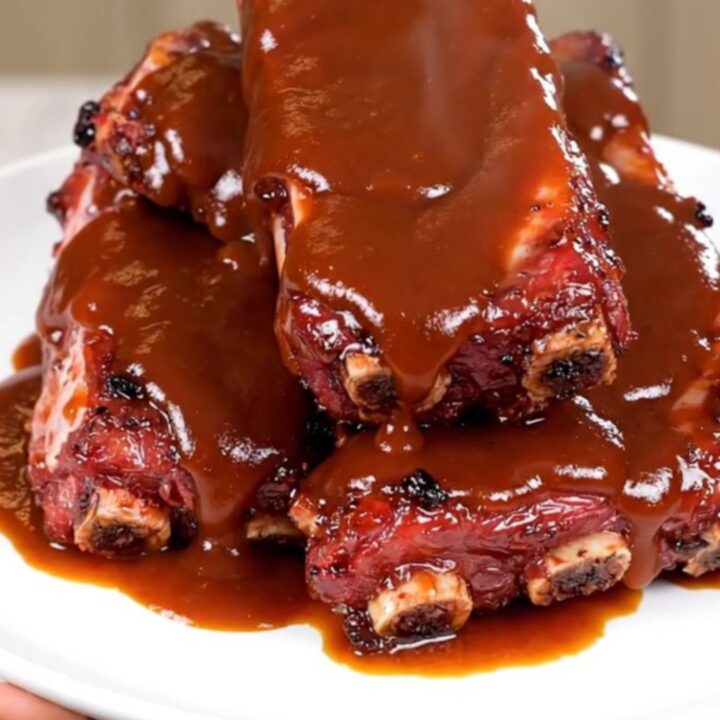
Slow Cooker Spicy Pineapple Barbecue Ribs
Ingredients
- 3 lb baby back pork ribs, cut into sections
- 1 cup crushed pineapple, drained
- 2 tbsp dry barbecue seasoning
- 1 1/2 cups barbecue sauce
Instructions
- Place the pork rib sections upright along the interior wall of the slow cooker insert to ensure even heat distribution and space management during the long cooking process.
- Spoon the crushed pineapple evenly over the ribs, then sprinkle the dry barbecue seasoning over the meat. Finally, pour the barbecue sauce smoothly over the entire contents of the slow cooker.
- Cover the slow cooker and cook on low for 6 hours until the meat reaches an internal temperature of 145°F (63°C). Let the ribs rest for 5 minutes before serving to ensure the juices redistribute.
Estimated nutrition per serving
- Calories
- 450
- Protein
- 28 g
- Carbohydrates
- 35 g
- Fat
- 22 g
- Fiber
- 1 g
- Sugar
- 28 g
- Sodium
- 850 mg
Next recipe
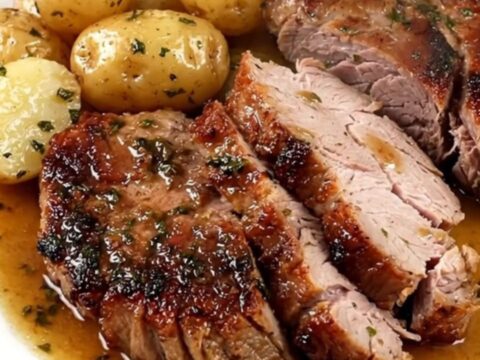
Slow Cooker Smoked Paprika Pork Tenderloin with Potatoes
See the recipe → →This recipe is based on a short cooking video and is published under the pen name Clara Weller. It was checked before publication, but errors can slip through. Nutrition, when shown, is an estimate. Read more in our editorial policy and on our food safety page.
More recipes to try

Slow Cooker Honey Garlic Italian Sausage Bites
Total time: 3 h 15 min
Slow Cooker Sweet and Spicy Pineapple Beef Meatballs
Total time: 3 h 5 min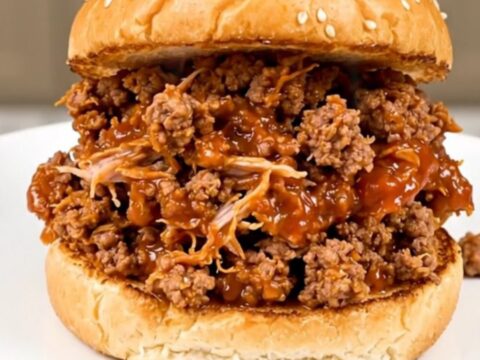
Slow Cooker Ground Turkey Sloppy Joes
Total time: 4 h 10 min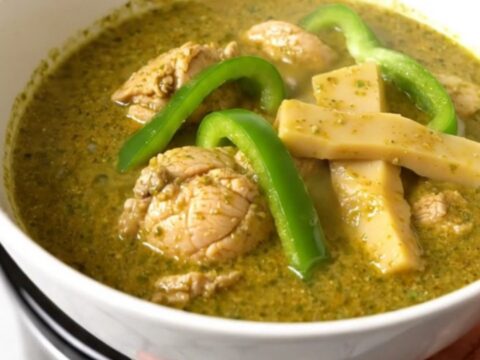
Easy Crockpot Thai Green Curry Chicken for Busy Weeknights
Total time: 4 h 15 min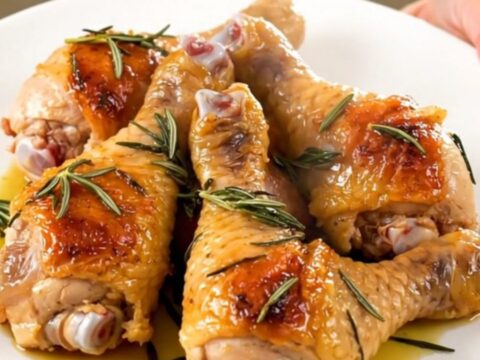
Slow Cooker Rosemary Garlic Chicken and Potatoes
Total time: 4 h 15 min