Drinks · Part 2 of 3: Instructions
Slow Cooker Spiced Warm Eggnog for Cozy Evenings Step-by-step instructions
- Prep
- Cook
- Total
- Serves
- 6
Before you start
Before you begin, ensure you have all your ingredients measured and ready. Take the eggs out of the refrigerator about 15 minutes before you start to let them lose their initial chill, which helps them incorporate more easily with the sugar.
Clear your countertop of any unnecessary items to provide a clean workspace. Ensure your slow cooker is plugged into a safe outlet and that the ceramic insert is properly seated. Have your whisk and a clean ladle ready for the final serving process.
Ingredients at a glance (5)
- 6 large egg yolks
- 1/2 cup granulated sugar
- 1 cup heavy cream
- 1/2 tsp ground nutmeg
- 3 cups whole milk
Instructions
Preparing the Base
- Combine Base IngredientsIn a small mixing bowl, whisk together the egg yolks and granulated sugar until the mixture is smooth and slightly pale in color. Transfer this mixture into the insert of your slow cooker.Look for mixture is pale and smoothTip Ensure the yolks and sugar are fully incorporated before adding to the slow cooker to avoid clumps.
The egg yolks and sugar should be whisked until they are fully combined and appear pale yellow. When you pour this into the slow cooker, it should form an even layer at the bottom, ready to be topped with the dairy and spices. Ensure there are no large clumps of sugar remaining at the bottom of the bowl.
Layering the Ingredients
- Add Liquids and SpicePour the heavy cream into the slow cooker over the yolk mixture. Sprinkle the ground nutmeg evenly over the top. Finally, pour the whole milk over all the ingredients. Do not stir at this stage.Look for all ingredients layered in the slow cookerTip Adding the milk last helps distribute the cream and spices naturally as it begins to heat.
After adding the cream, milk, and nutmeg, the slow cooker should look layered, with the spices resting on the surface of the milk. Do not stir yet; the slow cooker will naturally incorporate these layers as it begins to heat. Ensure the lid is securely placed on the slow cooker to maintain the necessary temperature.
Cooking to Perfection
- Slow Cook and ServeCover the slow cooker and cook on low heat for 3 hours, whisking occasionally to ensure a consistent texture. Ensure the mixture reaches an internal temperature of 160°F (71°C) to safely cook the eggs through.Look for mixture is thickened and hotSafe temperature 160°F (71°C) internal temperature (egg dishes)Tip Keep a close eye on the temperature to ensure the eggnog does not curdle from excessive heat.
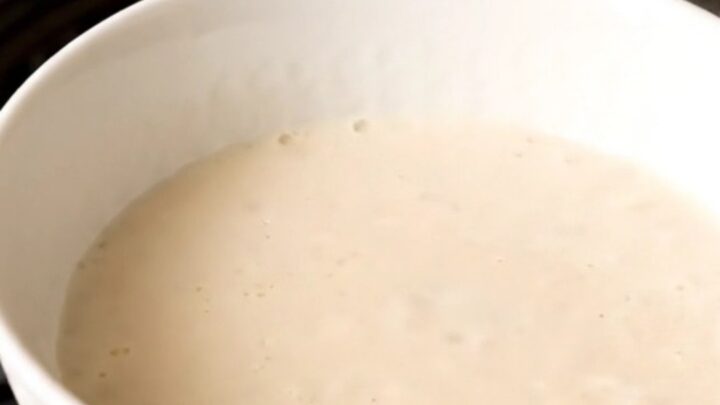
At the end of the cooking phase, the eggnog should have a uniform, creamy consistency and a rich, golden color. The aroma of warm nutmeg should be prominent. If it seems too thin, whisk it vigorously for a few seconds to emulsify the fats before checking the temperature one last time.
Common mistakes
A common mistake is using too high a heat setting, which causes the eggs to scramble rather than thicken into a custard. Always use the low setting on your slow cooker.
Another error is failing to whisk the mixture periodically; without occasional stirring, the ingredients may separate or develop a skin on the surface.
Finally, do not add any alcohol during the cooking process, as it can cause the dairy to curdle; always stir in spirits after the cooking is complete and the drink has been removed from the heat.
How to tell it’s done
The eggnog is done when it has thickened enough to coat the back of a spoon and has reached a safe internal temperature of 160°F (71°C). The surface should look glossy and smooth, with no signs of separation or curdling.
It will continue to thicken slightly as it cools, so do not overcook it, or the texture may become grainy. Always use a digital food thermometer to verify the temperature, inserting it into the center of the liquid away from the heating elements.
- Egg dishes: 160°F (71°C) in the thickest part
Up next · Part 3 of 3
2 variations · storage & make-ahead · 3 answers · printable card
Tips, FAQ & printable recipe (Part 3)← Back to the ingredients (Part 1)