Dinner · Part 1 of 3: Ingredients
Slow-Cooker Southern Turnip Greens and Smoky Ham
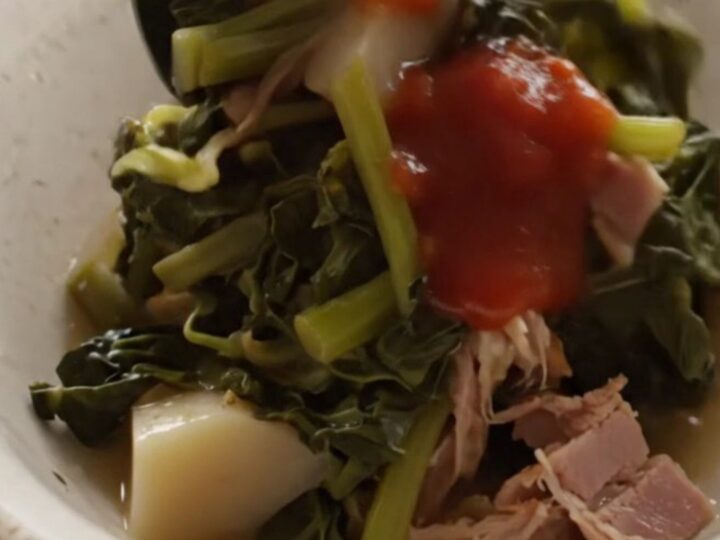
- Prep
- Cook
- Total
- Serves
- 6
Discover the secret to perfectly tender Southern-style turnip greens. This slow-cooker method transforms tough, earthy greens into a comforting, smoky masterpiece that pairs beautifully with any meal.
By simmering fresh ingredients with a smoked ham hock, you achieve a depth of flavor that is typically reserved for long afternoons in a country kitchen. This dump-and-go approach makes it easier than ever to enjoy this traditional vegetable dish, ensuring consistent results every single time you decide to prepare it.
Southern turnip greens are a staple of traditional cooking, prized for their complex flavor and hearty texture. When combined with the earthy sweetness of turnip roots and the deep, savory notes of a smoked ham hock, they create a dish that is both satisfying and deeply rooted in culinary history.
This recipe focuses on the slow-cooking technique, which allows the tough leaves to tenderize while absorbing the smoky juices from the ham. It is an ideal side dish for weeknight dinners or special gatherings, providing a warm, nostalgic experience in every bite.
Ingredients
- 2 lb fresh turnip greens, chopped
- 1 lb turnip roots, peeled and diced
- 1 smoked ham hock
- 1 onion, chopped
- 3 cloves garlic, minced
- 4 cups chicken broth
- hot pepper sauce, for serving
Why this recipe works
The slow-cooking method is essential for greens because it allows the tough, fibrous cellular structure of the leaves to break down gradually. By cooking on low heat over a long duration, the ingredients release their natural juices, creating a flavorful liquid known as pot likker. This concentrated broth becomes infused with the smokiness of the ham hock, which provides a natural seasoning that permeates every bite of the greens and turnip cubes.
Layering the ingredients correctly ensures even heat distribution throughout the ceramic vessel. By placing the denser turnip roots near the base and the lighter greens on top, the ingredients cook at a uniform rate.
The consistent, low heat prevents the bottom from scorching while allowing the flavors of the onion and garlic to bloom slowly throughout the cooking process, resulting in a balanced and complex flavor profile that requires minimal supervision from the cook.
Notes and substitutions
When selecting turnip greens, look for bright, crisp leaves that show no signs of wilting or yellowing. If the greens are particularly sandy, rinse them in several changes of cold water to ensure all grit is removed. Freshness is key to achieving the best texture and flavor. The turnip roots should be firm and heavy for their size, indicating they are fresh and not woody or hollow in the center.
A 6-quart ceramic slow cooker is the ideal vessel for this volume of ingredients. If a smaller slow cooker is used, the greens may not fit comfortably; conversely, a larger one might cause the liquid to evaporate too quickly.
Smoked ham hocks are widely available in the meat department of most supermarkets. If they are unavailable, a smoked turkey leg serves as a suitable alternative, providing a similar smoky profile without significantly altering the final consistency of the dish.
- chicken broth: vegetable broth or water with a pinch of salt
- smoked ham hock: smoked turkey leg or bacon ends
Equipment
- 6-quart ceramic slow cooker
- Chef's knife
- Cutting board
- Vegetable peeler
- Ladle
Up next · Part 2 of 3
3 steps · 6 h of cooking · what to look for at each stage
Step-by-step instructions (Part 2)