Dinner · Part 1 of 3: Ingredients
Slow Cooker Smoky Pulled Beef for Easy Weeknight Dinners
- Prep
- Cook
- Total
- Serves
- 6
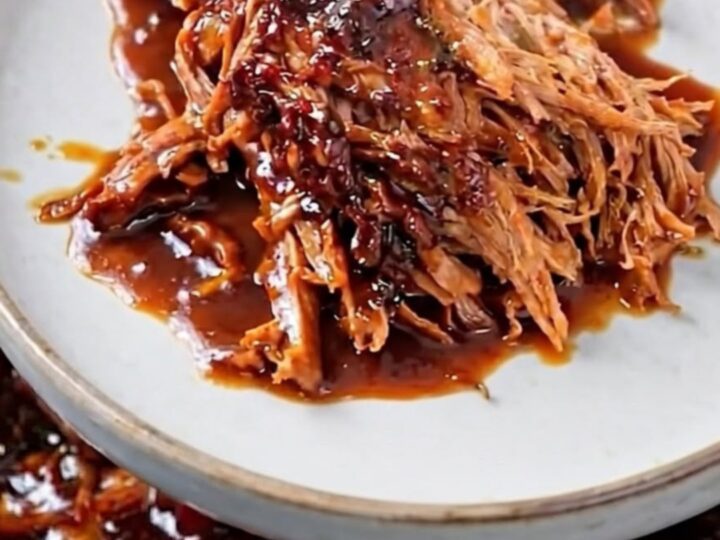
Transform a simple beef roast into a masterpiece of rich flavor with this reliable slow cooker method. Low, gentle heat gradually breaks down tough connective tissue, resulting in beef that is incredibly juicy, tender, and infused with deep barbecue notes. It provides an effortless way to achieve melt-in-your-mouth shredded meat without tending a hot stove all afternoon.
This smoky pulled beef is a versatile staple that works perfectly for casual dinners, sandwiches, or as a hearty topping. By utilizing the slow cooker, the meat develops a complex depth of flavor while the barbecue sauce caramelizes slightly, creating a sticky, savory glaze.
Whether serving a crowd or preparing a meal in advance, this recipe provides consistent, delicious results every single time, making it a go-to choice for any cook seeking convenience and quality. It is truly the ultimate way to enjoy a slow-cooked meal that requires minimal active time, allowing you to focus on other tasks while the beef transforms into something truly special and memorable.
Ingredients
Main
- 3 lb beef chuck roast, trimmed of excess fat
Sauce
- 2 cups smoky barbecue sauce
Why this recipe works
The slow cooker method creates a moist, enclosed environment that prevents the beef from drying out during the long cooking cycle. As the roast cooks, the connective tissues gradually melt into gelatin, which thickens the surrounding juices and creates a velvety, flavorful coating for the shredded meat.
This process ensures the beef remains incredibly succulent, as the low temperature prevents the muscle fibers from tightening up, which is a common issue with high-heat cooking methods. The result is a texture that practically melts in your mouth, providing a luxurious dining experience that is both comforting and deeply satisfying for everyone at the table.
Using a high-quality smoky barbecue sauce ensures that the meat absorbs deep, wood-fired flavors without requiring a smoker. This process effectively braises the beef in its own juices and the sauce, ensuring that every strand of meat is seasoned perfectly from the inside out.
The combination of the natural beef juices and the concentrated barbecue sauce creates a complex, savory, and slightly sweet flavor profile that is characteristic of authentic slow-cooked barbecue. By relying on this simple braising technique, you can achieve professional-grade results that are packed with bold, smoky notes, making it an ideal choice for anyone who loves hearty, flavorful meat dishes.
Notes and substitutions
Select a beef chuck roast with good marbling, as the intramuscular fat is essential for keeping the meat succulent throughout the long cooking time. Avoid very lean cuts, as they may become tough or dry rather than tender and shreddable when cooked for extended periods in a slow cooker. The marbling is the secret to achieving that perfect, pull-apart texture that defines a great pulled beef. Always look for a roast that has a consistent shape, which helps it cook evenly throughout the entire duration, ensuring that there are no dry spots or undercooked sections when it is time to shred the meat.
The choice of barbecue sauce is the primary flavor driver for this dish. A sauce with natural smoke flavoring, molasses, or brown sugar will produce the best results. Ensure the slow cooker is not overfilled, as this can affect the heat circulation and the final consistency of the sauce.
If you prefer a more customized flavor, you can blend two different types of barbecue sauces to create a unique profile that suits your personal preferences. Remember that the sauce will reduce and thicken during the cooking process, so choose a sauce that you enjoy the taste of on its own, as its flavor will be concentrated.
- Beef chuck roast: Beef brisket or bottom round roast can be used for similar results.
- Smoky barbecue sauce: Any favorite store-bought or homemade barbecue sauce will work well here.
Equipment
- Slow cooker
- Two forks
- Tongs
- Serving platter
Up next · Part 2 of 3
4 steps · 8 h of cooking · what to look for at each stage
Step-by-step instructions (Part 2)