Dinner · Part 1 of 3: Ingredients
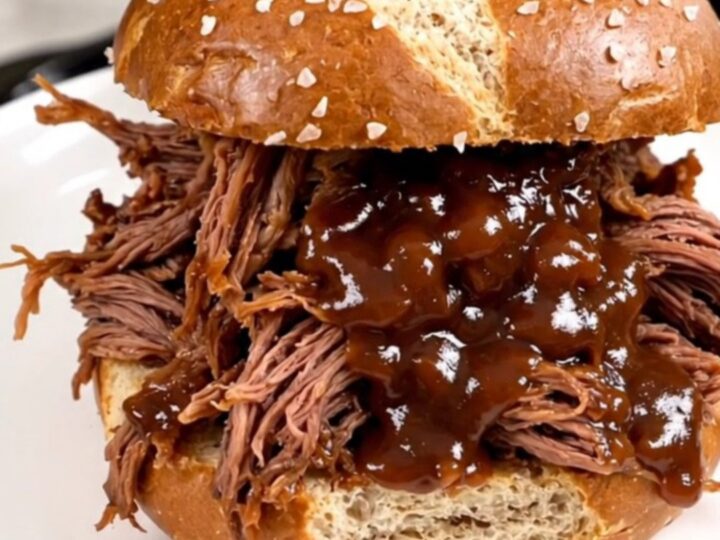
Slow Cooker Root Beer Shredded Beef for Easy Weeknight Dinners
- Prep
- Cook
- Total
- Serves
- 6
Master the art of hands-off cooking with this succulent root beer shredded beef. By combining a hearty beef roast with the sweet, deep flavors of a root beer-infused barbecue sauce, you create a dish that is both comforting and incredibly impressive.
It is the perfect solution for those who want a high-quality meal without spending the entire day in the kitchen. Whether you are hosting a casual gathering or simply prepping for the week ahead, this recipe delivers consistent, delicious results every single time.
The beauty of this recipe lies in its simplicity and the transformative power of the slow cooker. Beef chuck is a tough cut of meat that benefits immensely from long, slow cooking in a flavorful liquid. As the beef simmers, the connective tissues break down, resulting in a melt-in-your-mouth texture that is impossible to achieve with quick cooking methods.
The root beer adds a unique complexity to the barbecue sauce, balancing the tanginess with a subtle, earthy sweetness that pairs perfectly with the rich, savory beef. This dish is designed for ease and reliability, allowing the slow cooker to do all the heavy lifting while you focus on other tasks.
Ingredients
- 3 lb beef chuck roast
- 1 medium red onion, sliced
- 2 tbsp steak seasoning
- 1 1/2 cups root beer barbecue sauce
Why this recipe works
The slow cooking process is essential for breaking down the tough collagen fibers found in a beef chuck roast. By maintaining a steady, low temperature over several hours, the meat gradually softens, becoming succulent and easy to pull apart. This method ensures that the flavor of the seasoning and the root beer barbecue sauce permeates the meat deeply, creating a cohesive and savory profile that defines this classic comfort dish.
Using a slow cooker provides a controlled environment that prevents the meat from drying out, which is a common risk with higher-heat cooking techniques. The liquid from the barbecue sauce creates a moist atmosphere, effectively braising the beef as it cooks.
This gentle approach results in a tender, juicy final product that stays moist even after shredding, making it ideal for serving on sandwiches, in tacos, or over rice for a hearty and satisfying meal.
Notes and substitutions
When selecting a beef chuck roast, look for one with good marbling, as the fat will render during the long cooking time, basting the meat from within. If you cannot find a specific root beer barbecue sauce, you can easily create your own by combining a standard smoky barbecue sauce with a splash of root beer soda. This allows you to control the sweetness level to your preference while still achieving that signature flavor profile.
The type of slow cooker used can affect cooking times slightly, so it is always a good idea to check the meat for tenderness around the 7-hour mark.
If the sauce appears too thin after shredding, you can leave the lid off for the final 30 minutes of cooking or transfer the sauce to a saucepan and simmer it over medium heat to reduce it to your desired consistency. Always ensure the beef has reached the safe internal temperature before serving.
- beef chuck roast: beef brisket or boneless short ribs can be used for similar results.
- root beer barbecue sauce: mix 1 cup of your favorite barbecue sauce with 1/2 cup of root beer soda.
Equipment
- slow cooker
- measuring cups
- knife
- cutting board
Up next · Part 2 of 3
3 steps · 8 h of cooking · what to look for at each stage
Step-by-step instructions (Part 2)