Dinner · Part 1 of 3: Ingredients
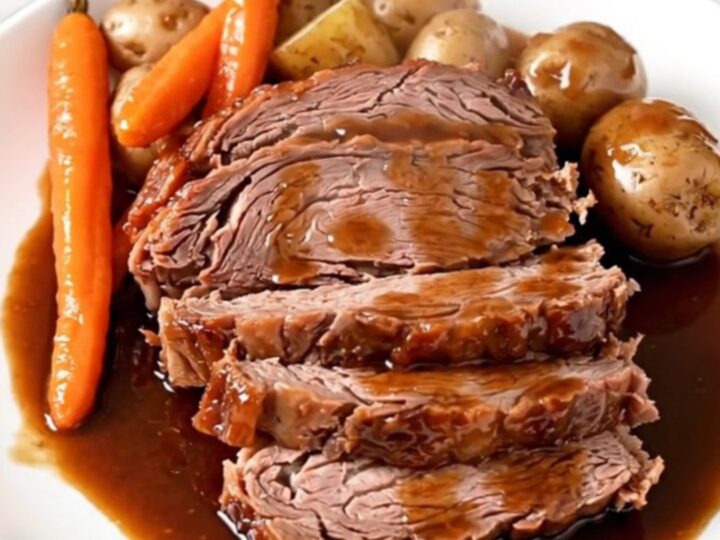
Slow Cooker Red Wine Pot Roast with Root Vegetables
- Prep
- Cook
- Total
- Serves
- 6
Discover the ultimate comfort food with this slow-cooked red wine pot roast. By combining high-quality beef with aromatic root vegetables and a rich wine reduction, this recipe elevates a simple weeknight dinner into a restaurant-quality experience.
Perfect for busy schedules, the slow cooker does all the hard work while you focus on your day, resulting in a meal that is consistently tender, flavorful, and deeply satisfying for the entire family to enjoy together.
This classic pot roast recipe relies on the gentle, steady heat of a slow cooker to transform a tough cut of beef into a succulent, fork-tender delight. Red wine adds a complex depth of flavor to the sauce, while the carrots and potatoes soak up all the savory juices, creating a complete meal in one pot.
Whether you are planning a cozy Sunday dinner or looking for a reliable meal prep solution, this recipe provides consistent, delicious results with minimal hands-on effort.
Ingredients
Main Ingredients
- 3 lb beef chuck roast
Vegetables
- 1 lb red potatoes, halved
- 1 lb carrots, chopped
Seasoning
- 1 packet beef herb seasoning packet
Liquid
- 1 cup red wine
Why this recipe works
The slow cooking process breaks down the connective tissues in the beef chuck roast over several hours, ensuring the final texture is exceptionally tender and easy to slice. This low-and-slow method allows the flavors of the herb seasoning and red wine to penetrate deep into the meat, creating a cohesive and rich flavor profile that develops gradually without the need for constant supervision or high heat searing.
Cooking the vegetables alongside the roast creates a convenient one-pot meal where the potatoes and carrots absorb the savory beef juices and wine reduction. As the vegetables simmer in the liquid, they become perfectly glazed and tender, providing a balanced texture that complements the richness of the meat.
This method maximizes flavor extraction and minimizes cleanup, making it an efficient choice for preparing a hearty, wholesome dinner that requires very little active time in the kitchen.
Notes and substitutions
When choosing a beef chuck roast, look for one with good marbling, as the intramuscular fat will render during the long cooking time, contributing to the overall moisture and flavor of the dish. If the roast is very large, you can cut it into two or three equal portions to ensure it fits comfortably in the slow cooker and cooks more evenly throughout the designated time, especially if your slow cooker insert is on the smaller side.
For the red wine component, choose a dry red variety such as a Cabernet Sauvignon or Merlot, as these pair beautifully with the savory notes of beef and herbs.
If you do not have a specific herb seasoning packet, you can substitute with a blend of dried thyme, rosemary, garlic powder, onion powder, salt, and black pepper. Ensure your slow cooker is not filled past its maximum capacity to allow for proper heat circulation and to prevent overflow during the cooking process.
- Red wine: Use an equal amount of beef broth mixed with a tablespoon of balsamic vinegar for a non-alcoholic alternative.
- Beef chuck roast: Beef brisket or bottom round roast are suitable alternatives that also benefit from long, slow cooking.
Equipment
- Slow cooker
- Measuring cup
- Chef's knife
- Cutting board
- Serving platter
Up next · Part 2 of 3
3 steps · 8 h of cooking · what to look for at each stage
Step-by-step instructions (Part 2)