Dinner · Part 1 of 3: Ingredients
Slow Cooker Pumpkin Black Bean Beef Chili
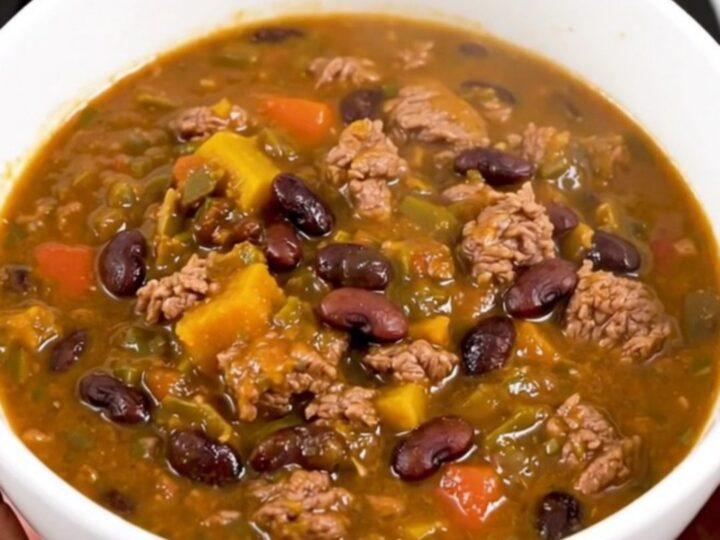
- Prep
- Cook
- Total
- Serves
- 6
Discover a foolproof way to prepare a hearty, soul-warming chili without spending hours over a hot stove. This slow cooker recipe uses simple pantry staples to create a deep, savory flavor profile that satisfies everyone at the dinner table. It is the ultimate solution for those busy weeknights when you need a reliable meal that is ready exactly when you are, requiring minimal effort and cleanup.
This pumpkin black bean beef chili is designed for convenience and comfort. By utilizing a slow cooker, the ingredients have ample time to meld together, resulting in a rich and flavorful dish. The combination of pre-cooked ground beef, tender black beans, and aromatic chili seasoning makes this an accessible recipe for cooks of any experience level.
Whether you are meal prepping for the week or hosting a casual dinner, this chili delivers consistent results every single time, proving that great food does not have to be complicated or time-consuming to prepare.
Ingredients
Main Ingredients
- 1 lb ground beef, cooked
- 1 can black beans, drained and rinsed
- 1 packet chili seasoning
- 1 cup beef broth
Why this recipe works
The slow cooker method is ideal for chili because it allows the tough fibers of the ground beef to absorb the spices and beef broth gradually. This gentle, sustained heat ensures that the beans remain tender without becoming mushy, while the seasoning permeates every bite. The result is a cohesive and deeply flavorful dish that develops its best characteristics through the long, slow simmering process, creating a texture that is both hearty and satisfying.
By layering the ingredients in a specific order, the flavors are allowed to harmonize effectively during the cooking cycle. The broth acts as the base, keeping the meat moist while the spices are drawn down through the beans.
This layering technique prevents the spices from clumping at the top and ensures that the entire batch is seasoned uniformly. It is a highly efficient method that maximizes flavor development while minimizing active preparation time, making it perfect for efficient kitchen management.
Notes and substitutions
The choice of ground beef is central to the flavor of this chili. Using a leaner blend can help reduce excess fat, while a slightly higher fat content can provide a richer mouthfeel.
Ensure the beef is fully cooked before adding it to the slow cooker, as the slow cooker function here is primarily for heating and flavor melding rather than browning. Always use high-quality beef broth to serve as the foundation for the liquid component, as it significantly impacts the final depth of the dish.
Equipment-wise, any standard slow cooker will suffice, provided it has an oval or round insert that fits the volume of the ingredients. If your slow cooker has multiple heat settings, use the low setting for the best results, as it provides the most consistent heat distribution over the long cooking period.
If you find the chili is too thick after cooking, you can stir in a small amount of additional broth until you reach your preferred consistency. Always ensure the lid fits securely to trap the moisture.
- ground beef: ground turkey or ground chicken for a lighter alternative
- black beans: kidney beans or pinto beans
Equipment
- Slow cooker
- Measuring cup
- Ladle
- Soup bowls
Up next · Part 2 of 3
4 steps · 4 h of cooking · what to look for at each stage
Step-by-step instructions (Part 2)