Dinner · Part 1 of 3: Ingredients
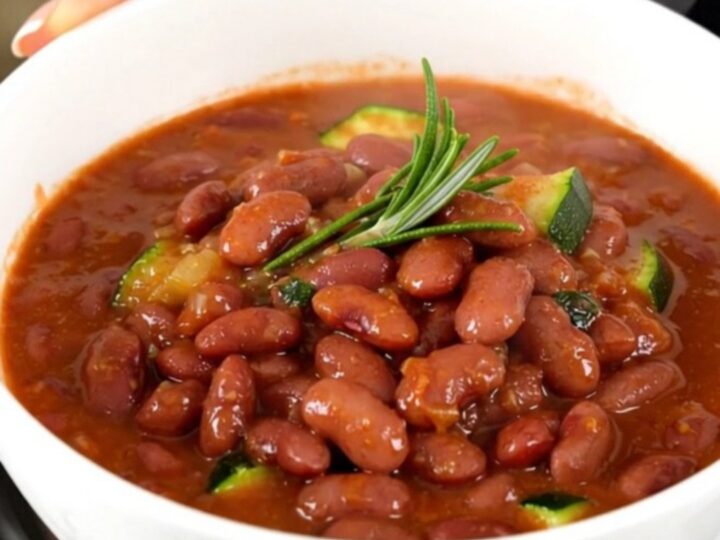
Slow Cooker Provencal Red Beans with Zucchini
- Prep
- Cook
- Total
- Serves
- 4
Transform humble pantry staples into a sophisticated Provencal-inspired dish with minimal effort. This slow cooker recipe relies on gentle, steady heat to meld the earthy flavor of red kidney beans with the sweetness of fresh zucchini and the savory punch of garlic.
It is the perfect solution for those who want a vegetable-forward meal without spending hours standing over the stove, as the slow cooker handles all the heavy lifting while the flavors develop into a rich, cohesive stew.
Cooking with a slow cooker allows ingredients to break down slowly, resulting in a depth of flavor that is difficult to achieve with stovetop methods. This recipe highlights the natural synergy between tomatoes, garlic, and fresh zucchini. By layering the ingredients carefully, you ensure that every bite is perfectly balanced.
This dish is ideal for busy weeknights when you want dinner waiting for you, offering a satisfying experience that brings the rustic charm of the French countryside directly to your dining table with just a few minutes of active preparation.
Ingredients
- 2 cans (15 oz each) red kidney beans, drained and rinsed
- 2 medium zucchini, sliced into half-moons
- 3 cloves garlic, minced
- 2 cups tomato pulp
Why this recipe works
The slow cooking process is essential for this recipe because it allows the tomato pulp to reduce slightly while absorbing the savory juices released by the zucchini.
As the vegetables soften, they release their natural moisture, which mingles with the starch from the red beans to create a naturally thickened, glossy sauce. This method ensures the garlic infuses every layer of the dish without burning, providing a mellow yet pervasive aroma that defines traditional Provencal cooking.
Layering the ingredients in the specified order is a deliberate technique that protects the texture of the vegetables. Placing the beans at the bottom allows them to absorb the tomato base first, while the zucchini sits near the top to prevent it from turning into mush during the extended cook time. This structural approach guarantees that the final stew has distinct textures, with tender beans and soft but recognizable zucchini pieces held together in a flavorful, cohesive sauce.
Notes and substitutions
Selecting the right ingredients is key to the success of this stew. Use firm, fresh zucchini that shows no signs of wilting to ensure the best texture after slow cooking.
For the tomato pulp, choose a high-quality canned version that is free of added sugars or heavy seasonings, as this allows the natural acidity of the tomatoes to brighten the dish. If you prefer a more robust flavor, you can add a pinch of dried herbs like oregano or thyme, though the simplicity of this version is its primary strength.
When it comes to equipment, a standard oval or round slow cooker works perfectly for this recipe. Ensure your slow cooker insert is clean and dry before adding the ingredients. If you find the sauce is too thin at the end of the cooking time, you can remove the lid for the final thirty minutes of cooking to allow excess moisture to evaporate. Always use a wooden or silicone spoon to stir the stew gently before serving to avoid breaking the beans or the zucchini slices.
- Red kidney beans: Cannellini or pinto beans can be used for a slightly different texture and flavor profile.
- Tomato pulp: Crushed tomatoes or finely chopped canned tomatoes with their juices work well as a substitute.
Equipment
- Slow cooker
- Cutting board
- Chef's knife
- Measuring cups
Up next · Part 2 of 3
3 steps · 4 h of cooking · what to look for at each stage
Step-by-step instructions (Part 2)