Dinner · Part 3 of 3: Tips & recipe card
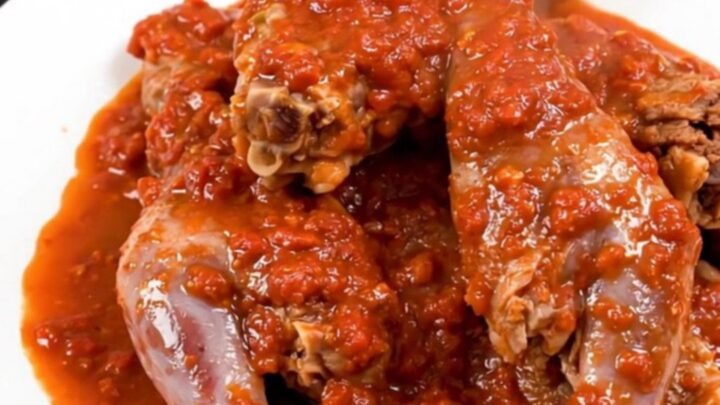
Slow Cooker Provencal Rabbit with Rosemary and Tomatoes Tips, FAQ & printable recipe
- Prep
- Cook
- Total
- Serves
- 4
Tips for success
For a deeper flavor, you can sear the rabbit pieces in a pan with a little olive oil before placing them in the slow cooker, though this is optional.
Browning the meat adds a layer of complexity to the final sauce that some cooks prefer. If you choose to do this, ensure the pan is hot and work in batches to avoid crowding the meat.
If the sauce is thinner than desired after the cooking time, you can remove the rabbit and set the slow cooker to a higher setting to reduce the sauce, or simmer it in a saucepan on the stove for a few minutes.
This allows you to achieve the perfect consistency for your preference without overcooking the meat.
Variations
- White Wine Infusion: Add 1/2 cup of dry white wine to the slow cooker along with the tomatoes for an extra layer of acidity and depth that complements the rabbit meat perfectly.
- Root Vegetable Addition: Include cubed potatoes or carrots at the bottom of the slow cooker to transform this dish into a complete one-pot meal that is hearty and satisfying.
Storage and make-ahead
- Fridge
- Keep in an airtight container for up to 3 days.
- Freezer
- Freeze in a freezer-safe container for up to 2 months.
- Reheat
- Reheat on the stove over medium-low heat until it reaches 165°F (74°C). Add a splash of water or broth if the sauce is too thick.
Store any leftovers in an airtight container in the refrigerator. Ensure the food has cooled to room temperature, but do not leave it out for more than two hours. Proper storage will keep the dish safe and flavorful for up to three days, making it a great option for future meals.
This dish is excellent for making ahead, as the flavors often improve after sitting for a day. Simply prepare the recipe as directed, allow it to cool, and store it in the refrigerator. When ready to serve, reheat it gently on the stove or in the slow cooker until it is heated through to 165°F (74°C).
Serving ideas
Serve this Provencal rabbit hot, ideally accompanied by a side that can soak up the delicious tomato sauce.
Crusty bread, creamy mashed potatoes, or even simple steamed vegetables like green beans or carrots make excellent pairings. The sauce is the star, so ensure each serving includes a generous portion of the tomato and olive mixture.
When plating, carefully transfer the rabbit pieces to individual plates or a large serving platter. Spoon the sauce, onions, and olives generously over the top.
You can garnish with a few fresh rosemary leaves or a drizzle of high-quality olive oil to enhance the presentation and add a final touch of brightness to the meal.
Frequently asked questions
Can other cuts of meat be used if rabbit is unavailable?
Is it necessary to brown the rabbit before slow cooking?
How can the sauce be thickened if it is too runny?
Slow Cooker Provencal Rabbit with Rosemary and Tomatoes

Ingredients
- 2 lb rabbit pieces, bone-in and skin-on
- 1 large onion, thinly sliced
- 1/2 cup black olives, pitted and sliced
- 3 sprigs fresh rosemary
- 2 cups crushed tomatoes
Instructions
- Place the raw rabbit pieces into the bottom of the slow cooker. Arrange the sliced onions and black olives over the rabbit, then tuck in the fresh rosemary sprigs.
- Pour the crushed tomatoes over the other ingredients in the slow cooker. Cover and cook on low for 4 to 6 hours or until the rabbit is tender and fully cooked through.
- Carefully remove the rabbit pieces from the slow cooker and let them rest for at least 5 minutes before serving with the sauce. Ensure the internal temperature reaches 165°F (74°C).
Estimated nutrition per serving
- Calories
- 320
- Protein
- 35 g
- Carbohydrates
- 12 g
- Fat
- 14 g
- Fiber
- 3 g
- Sugar
- 6 g
- Sodium
- 450 mg
Next recipe

Slow Cooker Mustard and Tarragon Pork Stew
See the recipe → →This recipe is based on a short cooking video and is published under the pen name Clara Weller. It was checked before publication, but errors can slip through. Nutrition, when shown, is an estimate. Read more in our editorial policy and on our food safety page.
More recipes to try

Slow Cooker Creamy Mustard Veal Stew with Leeks
Total time: 4 h 15 min
Slow Cooker Grandma-Style Beef Chuck with Pearl Onions and Bacon
Total time: 8 h 15 min
Slow Cooker Creamy Garlic Chicken for an Easy Weeknight Dinner
Total time: 4 h 10 min
Simple Slow Cooker Cantonese Rice with Ham and Peas
Total time: 3 h 10 min
Slow Cooker Creamy Parmesan Polenta with Mushrooms
Total time: 3 h 10 min