Dinner · Part 1 of 3: Ingredients
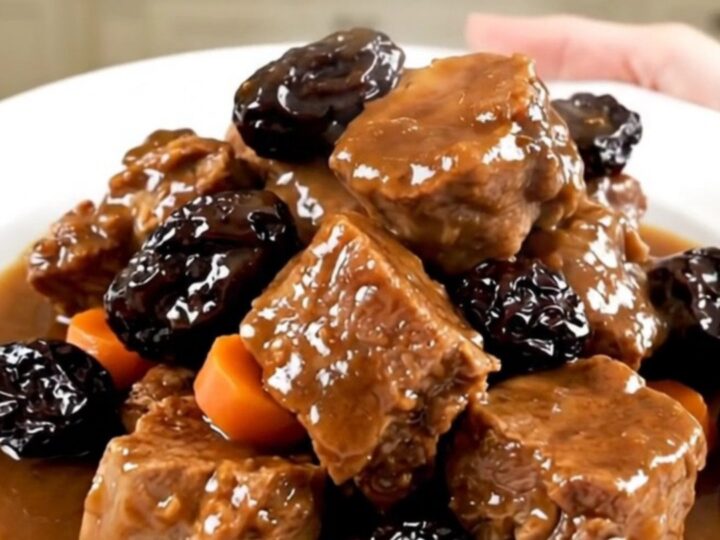
Slow Cooker Pork with Prunes and Carrots
- Prep
- Cook
- Total
- Serves
- 4
This slow cooker pork with prunes and carrots brings together savory depth and subtle sweetness in one effortless meal. By combining simple pantry staples with a slow-cooking method, the pork becomes incredibly tender while the prunes break down to create a rich, slightly sweet sauce that perfectly complements the earthiness of the carrots. It is a reliable, hands-off dinner option that delivers consistent results every time you prepare it for a busy weeknight family meal.
The magic of this recipe lies in the slow cooker, which allows the flavors of the pork, carrots, and prunes to meld together over several hours. The cinnamon adds a warm, aromatic note that elevates the simple ingredients without overpowering them.
This dish is designed for those who appreciate a meal that requires minimal active preparation time, as the slow cooker does all the heavy lifting. Simply combine the components, set the temperature, and return hours later to a fully cooked, comforting dinner that is ready to serve immediately.
Ingredients
Main
- 1 1/2 lb pork shoulder, cut into 1-inch cubes
- 3 medium carrots, sliced
- 1/2 cup pitted prunes
Seasoning
- 1/2 tsp ground cinnamon
Liquid
- 1 cup chicken broth
Why this recipe works
The slow cooking process is essential for breaking down the connective tissues in pork shoulder, resulting in a succulent and tender texture that is difficult to achieve with high-heat methods. As the meat cooks, it releases its natural juices, which combine with the chicken broth and the sugars from the prunes to form a flavorful base. This liquid reduction coats the ingredients, ensuring that each bite is moist and flavorful throughout the entire cooking duration.
Cooking the carrots alongside the pork allows them to absorb the savory essence of the meat and the delicate sweetness of the prunes. By keeping the carrots in larger slices, they maintain their structural integrity during the long cooking time, providing a pleasant textural contrast to the soft pork.
The prunes act as a natural sweetener, balancing the savoriness of the pork and the acidity of the broth, creating a well-rounded and complex flavor profile that develops naturally as the dish simmers.
Notes and substitutions
Pork shoulder is the preferred choice for this recipe due to its ideal fat-to-meat ratio, which ensures the final result remains tender and juicy. If pork shoulder is unavailable, pork loin can be used, though it will require a shorter cooking time to prevent it from drying out.
Ensure that the pork is cut into uniform pieces to promote even cooking throughout the slow cooker, preventing some pieces from becoming overcooked while others remain under-done during the long simmer.
When selecting prunes, opt for pitted varieties to simplify the preparation process. The choice of chicken broth provides a savory foundation, but vegetable broth is a suitable alternative for those who prefer it.
The ground cinnamon should be added sparingly; it is intended to provide a background aroma rather than a dominant spice profile. Always use a reliable digital meat thermometer to verify that the pork has reached the safe temperature, as slow cooker models can vary in their actual heat output.
- chicken broth: vegetable broth or dry white wine
- pork shoulder: pork loin or beef chuck roast
Equipment
- Slow cooker
- Chef knife
- Cutting board
- Measuring cups
- Measuring spoons
Up next · Part 2 of 3
3 steps · 6 h of cooking · what to look for at each stage
Step-by-step instructions (Part 2)