Dinner · Part 2 of 3: Instructions
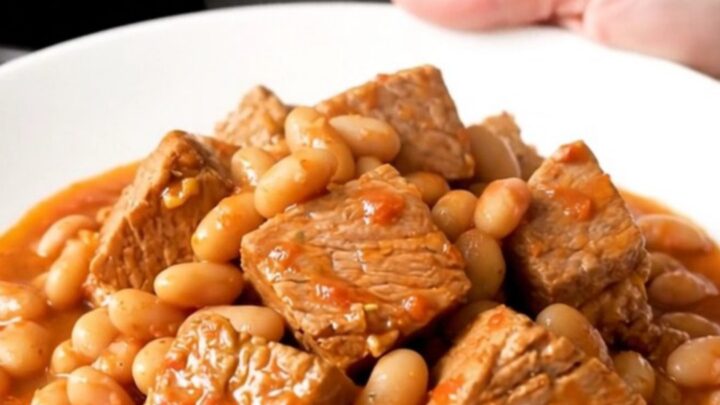
Slow Cooker Pork Shoulder with White Beans and Tomatoes Step-by-step instructions
- Prep
- Cook
- Total
- Serves
- 6
Before you start
Before beginning, ensure that your slow cooker is clean and positioned on a stable, heat-resistant surface near an electrical outlet. Trim any excess surface fat from the pork shoulder if desired, and slice the onion into uniform, thin strips to ensure even distribution.
Have all ingredients measured and ready, including rinsing and draining the canned beans, so the assembly process remains quick and efficient. Proper organization at the start is the key to a stress-free cooking experience.
Ingredients at a glance (5)
- 3 lb pork shoulder, trimmed
- 1 large onion, sliced
- 1 tbsp dried thyme
- 28 oz crushed tomatoes
- 2 cans (15 oz each) cannellini beans, rinsed and drained
Instructions
Layering the ingredients
- Assemble the IngredientsPlace the raw pork shoulder into the base of the slow cooker. Arrange the sliced onions evenly over the top of the meat. Sprinkle the dried thyme over the onions and pork. Pour the crushed tomatoes over the entire mixture, ensuring the pork is well-covered.Look for The pork should be nestled at the bottom with all other ingredients layered on top.Tip Ensure the slow cooker is large enough to hold the pork roast comfortably without overcrowding.
At the end of this phase, the ingredients should be neatly layered in the slow cooker with the pork at the bottom. Check that the thyme is distributed evenly and the tomatoes cover the surface of the meat. Everything should be arranged to ensure optimal heat distribution once the slow cooker is turned on, setting the stage for a long, consistent cooking process that will yield the best results.
The slow cooking process
- Slow Cook the PorkCover the slow cooker with its lid and set it to cook on low for 8 hours. The long, slow cooking process is essential for breaking down the connective tissues in the pork shoulder, resulting in tender, succulent meat that pulls apart easily with a fork.Look for The pork should be very tender and easily shredded with a fork.Tip Avoid lifting the lid during the first few hours of cooking to maintain a consistent internal temperature.
During this phase, the slow cooker maintains a consistent, low heat that slowly breaks down the meat. The kitchen will begin to fill with the aromatic scent of thyme and savory pork.
Check periodically that the slow cooker is functioning correctly and that the power cord is secure. No intervention is needed during this time, allowing the flavors to concentrate and the pork to reach the desired level of tenderness.
Finalizing the dish
- Finalize and ServeOnce the cooking time is complete, stir in the rinsed and drained cannellini beans. Continue cooking for an additional 15 minutes until the beans are heated through. Ensure the pork reaches an internal temperature of 145°F (63°C), then let the meat rest for at least 10 minutes before serving on a plate.Look for The sauce should be thick and glossy, and the beans should be tender.Safe temperature 145°F (63°C) internal temperature (steaks, chops and roasts)Tip Always use a meat thermometer inserted into the thickest part of the pork to verify the internal temperature.
Once the pork is tender, the final phase involves stirring in the beans and allowing them to heat through. The sauce should appear rich and thickened. Ensure the beans are fully incorporated and the dish is heated to a consistent temperature throughout. This final step brings all components together, creating a harmonious and hearty meal ready for immediate serving after the required resting period for the meat.
Common mistakes
Avoid the mistake of overcrowding the slow cooker, which can prevent even cooking and lead to uneven texture. Another common error is adding the beans too early; they should only be added at the end of the cooking process to prevent them from breaking down into a paste.
Finally, refrain from lifting the lid repeatedly during the cooking cycle, as this releases heat and moisture, significantly increasing the total cooking time and potentially affecting the tenderness of the meat.
How to tell it’s done
The pork shoulder is done when it reaches an internal temperature of 145°F (63°C) and is fork-tender, meaning the muscle fibers pull apart effortlessly with slight pressure. The sauce should be thick and glossy, having reduced slightly to coat the back of a spoon.
Use a reliable digital meat thermometer to check the thickest portion of the pork. Always allow the meat to rest for at least 10 minutes before serving to ensure the juices redistribute throughout the fibers.
- Steaks, chops and roasts: 145°F (63°C) in the thickest part, then a 3-minute rest
Up next · Part 3 of 3
2 variations · storage & make-ahead · 3 answers · printable card
Tips, FAQ & printable recipe (Part 3)← Back to the ingredients (Part 1)