Dinner · Part 2 of 3: Instructions
Slow Cooker Pork Roast with White Wine and Bay Leaves Step-by-step instructions
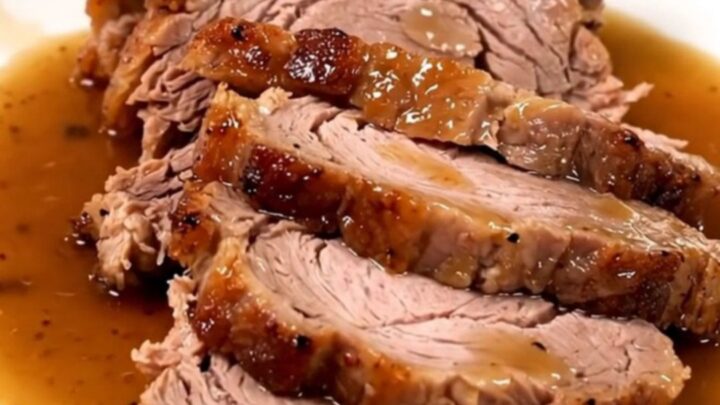
- Prep
- Cook
- Total
- Serves
- 6
Before you start
Before starting, ensure your slow cooker is clean and placed on a stable, heat-resistant surface. Prepare your ingredients by slicing the onions thinly and peeling the garlic cloves. Check that your pork roast is at room temperature for no more than 30 minutes before placing it in the cooker.
Having all your ingredients pre-measured and ready will make the assembly process seamless. Check the interior of your slow cooker to ensure there are no cracks or debris, and confirm that your power supply is reliable for a long-duration cook.
Ingredients at a glance (6)
- 3 lb pork roast, trimmed of excess fat
- 2 medium onions, sliced
- 4 cloves garlic, peeled and smashed
- 3 bay leaves
- 1 tsp whole peppercorns
- 1/2 cup dry white wine
Instructions
Layering the Aromatics
- Prepare the Slow CookerPlace the pork roast at the bottom of the slow cooker. Scatter the sliced onions and smashed garlic cloves over and around the meat to build a flavorful base.Look for The onions and garlic are evenly distributed around the meat.Tip Ensure the roast fits comfortably in your cooker to allow for even heat distribution.
At this stage, your slow cooker should look organized with the onions and garlic forming an even bed. The pork sits firmly on top, ready to absorb the flavors from below. The kitchen should smell clean and fresh as you prepare to add the final seasonings.
Ensure the pork is positioned centrally for even cooking. This foundation is crucial for preventing the meat from sticking and for infusing the base of your cooking liquid with savory notes from the onions and garlic.
Adding Seasonings and Wine
- Season and Add LiquidsSprinkle the bay leaves and whole peppercorns over the pork. Carefully pour the white wine over the roast, ensuring it settles into the bottom of the cooker to create the cooking liquid.Look for The wine is added and the seasonings are distributed across the surface.Tip Use a dry white wine such as Sauvignon Blanc or Pinot Grigio for the best flavor balance.
The slow cooker now contains the bay leaves and peppercorns scattered across the roast, with the white wine pooled at the base. The aroma of the wine and herbs should be faint but present. This is the moment to confirm that the lid is securely closed. Everything is now in place for the long, slow braise. Check that the wine has not splashed onto the sides of the cooker, which might burn during the long cooking cycle, and ensure the seal is airtight.
Slow Cooking to Perfection
- Slow Cook and ServeCover the slow cooker and cook on low for 8 hours until the meat is fork-tender. Ensure the roast reaches an internal temperature of 145°F (63°C). Once cooked, remove the pork and let it rest for at least 3 minutes before slicing and serving with the pan juices.Look for The meat is tender and yields easily when pierced with a fork.Safe temperature 145°F (63°C) internal temperature (steaks, chops and roasts)Tip Letting the meat rest is essential for retaining moisture and ensuring the best texture when sliced.
After eight hours, the pork should be incredibly tender and fragrant. The onions and garlic will have melted into a rich, savory jus, and the meat should have a slight give when pressed. Use your thermometer to confirm the 145°F (63°C) mark. The kitchen will be filled with the deep, comforting scent of roasted pork and herbs. Once the temperature is confirmed, the meat is ready to be removed for its essential resting period before slicing and serving to your guests.
Common mistakes
A common mistake is rushing the cooking process by using the high heat setting; this can toughen the proteins before they have a chance to break down. Another error is failing to trim the roast properly, which can result in an overly greasy final sauce.
Avoid opening the lid frequently during the cooking process, as each time you lift the lid, heat and moisture escape, which can significantly increase the required cooking time. Ensure you add enough liquid, but do not submerge the meat entirely.
How to tell it’s done
The pork roast is fully cooked when it reaches an internal temperature of 145°F (63°C). At this stage, the meat should be opaque throughout and offer very little resistance when pierced with a fork. It will feel tender and succulent, and the connective tissues will have softened sufficiently.
Always use a meat thermometer inserted into the thickest part of the roast to verify the temperature. Allowing it to rest for at least 3 minutes after removing it from the heat is critical for achieving the perfect texture.
- Steaks, chops and roasts: 145°F (63°C) in the thickest part, then a 3-minute rest
Up next · Part 3 of 3
2 variations · storage & make-ahead · 3 answers · printable card
Tips, FAQ & printable recipe (Part 3)← Back to the ingredients (Part 1)