Dinner · Part 1 of 3: Ingredients
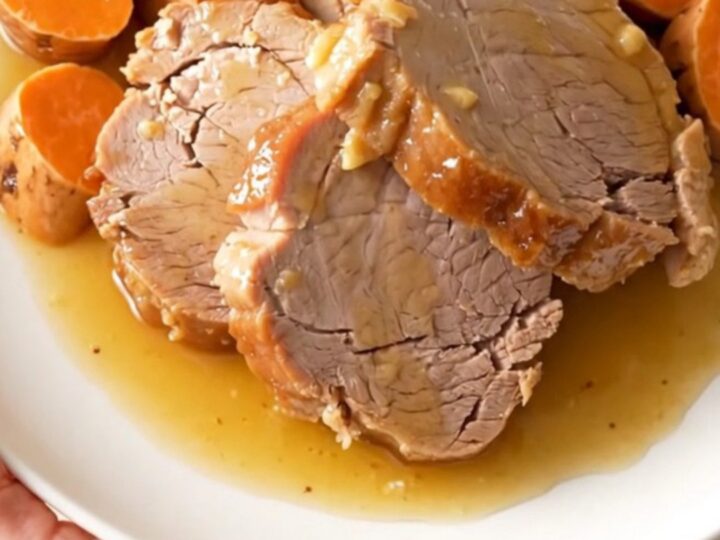
Slow Cooker Pork Loin with Sweet Potatoes and Honey
- Prep
- Cook
- Total
- Serves
- 4
Transform a simple pork loin into a melt-in-your-mouth dinner with the help of a slow cooker. By combining savory pork with the natural sweetness of potatoes, honey, and warm cinnamon, this dish creates a comforting meal that requires minimal effort. It is the perfect set-and-forget recipe for busy weeknights when a flavorful dinner is needed without spending hours in the kitchen. Let the slow cooker do all the heavy lifting while the flavors meld perfectly.
This slow cooker pork loin recipe relies on gentle, low-temperature cooking to break down the fibers of the meat, resulting in an incredibly tender texture. The combination of sweet potatoes and onions creates a natural bed for the pork, allowing it to braise in its own juices along with the honey and butter.
The addition of cinnamon adds a subtle, warm aromatic note that complements the pork and the earthiness of the sweet potatoes beautifully. This dish is designed to be simple, relying on quality ingredients to shine.
Ingredients
Main
- 2 lb pork loin
- 3 large sweet potatoes, peeled and cubed
- 1 large yellow onion, cut into wedges
Seasoning
- 1/2 tsp ground cinnamon
- 2 tbsp honey
- 2 tbsp unsalted butter, cut into small pats
Why this recipe works
The slow cooker method uses moist heat to braise the pork loin, which is a lean cut of meat. By cooking it slowly at a low temperature, the connective tissues soften, ensuring the meat remains tender rather than becoming tough or dry. The sweet potatoes and onions release their moisture and sugars, which combine with the honey and butter to create a rich, flavorful sauce that coats the ingredients as they cook.
Using a slow cooker allows for a hands-off cooking experience, making it an efficient way to prepare dinner. The flavors have ample time to develop and permeate the pork, while the steady, even heat ensures that the vegetables become perfectly tender without losing their shape.
This technique highlights the natural sweetness of the potatoes while creating a savory, glazed finish on the pork, providing a complex flavor profile from simple, accessible ingredients.
Notes and substitutions
When selecting a pork loin, choose one that fits comfortably in the slow cooker insert without crowding the sides too much. If the pork loin is very long, it can be cut into two smaller pieces to ensure it sits flat at the bottom.
For the sweet potatoes, garnet or jewel varieties work particularly well due to their vibrant color and soft texture when braised. Ensure all vegetables are washed and peeled thoroughly before cubing them to maintain the best quality.
The equipment required is minimal, essentially just a standard slow cooker and basic kitchen tools. If a smaller slow cooker is used, adjust the quantity of sweet potatoes to ensure the lid can close securely.
The butter should be unsalted to allow full control over the final flavor of the sauce. If salted butter is used, consider reducing any added salt in the dish, though this recipe does not call for additional salt beyond what is naturally present in the ingredients.
- pork loin: pork tenderloin, though cooking time should be reduced by about one hour to prevent drying out
- yellow onion: shallots or red onion for a slightly different flavor profile
Equipment
- Slow cooker
- Chef knife
- Cutting board
- Measuring spoons
- Glass measuring cup
Up next · Part 2 of 3
3 steps · 6 h of cooking · what to look for at each stage
Step-by-step instructions (Part 2)