Dinner · Part 1 of 3: Ingredients
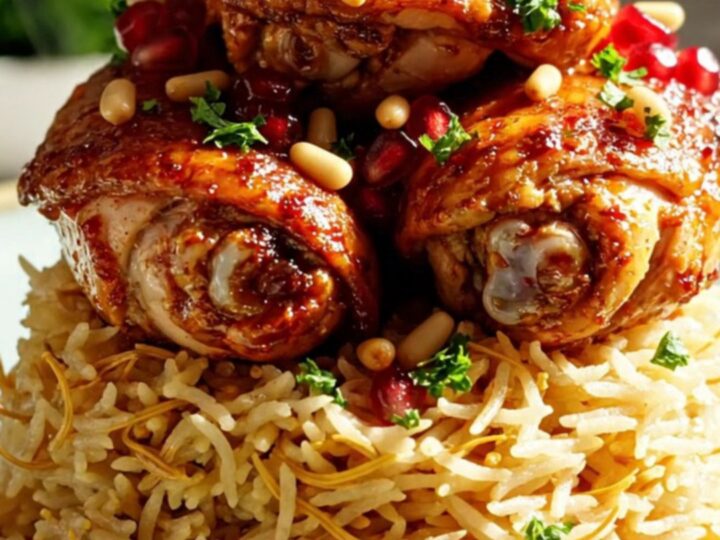
Slow-Cooker Pomegranate Sumac Chicken
- Prep
- Cook
- Total
- Serves
- 6
Elevate your weeknight dinner with the bold, tangy, and sweet profile of this pomegranate sumac chicken. By utilizing the slow cooker, this recipe achieves a deep, complex flavor profile that usually requires hours of attention, making it an ideal choice for busy households looking for a restaurant-quality meal without the stress.
This dish is a celebration of Levantine flavors, combining the tart, citrusy punch of ground sumac with the deep, fruity sweetness of pomegranate molasses. The slow-cooking process transforms humble chicken thighs into succulent pieces of meat that are bathed in a glossy, vibrant ruby lacquer.
It is a visually stunning and flavor-packed dish that manages to feel sophisticated while remaining incredibly easy to prepare. Whether you are hosting a casual dinner or simply looking to add variety to your routine, this recipe provides a foolproof method for success.
Ingredients
- 6 boneless chicken thighs
- 1/2 cup pomegranate molasses
- 1/3 cup wildflower honey
- 2 tbsp sumac
- 4 cloves garlic, peeled
- 1 tbsp olive oil
Serving
- 3 cups saffron rice, cooked
Garnish
- pomegranate arils, for serving
- pine nuts, for serving
- parsley, for serving
Why this recipe works
The slow-cooking method is essential for this recipe because it allows the tough connective tissues in the chicken thighs to break down slowly, resulting in meat that is exceptionally tender and succulent.
By cooking on low heat, the pomegranate molasses and honey have enough time to reduce and thicken into a concentrated glaze that clings perfectly to the chicken, creating a deep, complex flavor that cannot be achieved with quick-cooking methods.
Furthermore, the combination of pomegranate molasses and sumac creates a unique flavor profile that is both sweet and acidic. The low, consistent temperature of the slow cooker prevents the honey from burning, which can happen easily on a stovetop.
This gentle heat ensures that the garlic mellows and infuses the entire dish with a savory backbone that balances the sweetness of the fruit reduction, creating a harmonious and well-rounded culinary experience for any palate.
Notes and substitutions
When selecting ingredients, use high-quality, pure pomegranate molasses rather than pomegranate-flavored syrups. The pure version has a distinctively sharp, tart quality that is crucial for the success of this glaze.
For the chicken, boneless, skinless thighs are the preferred choice as they remain moist throughout the long cooking time. If using bone-in thighs, increase the cooking time by an additional 30 to 60 minutes to ensure the meat is fully cooked and tender near the bone.
Regarding equipment, any standard slow cooker will perform well for this recipe. Ensure the size of your slow cooker matches the amount of food; using an excessively large slow cooker for a small amount of meat can cause the glaze to evaporate too quickly. If you choose to substitute fresh garlic with garlic powder, use one teaspoon, though fresh cloves are highly recommended to provide the best aromatic depth and texture to the final glaze.
- pomegranate molasses: a reduction of pomegranate juice simmered with sugar until thick and syrupy
- pine nuts: toasted slivered almonds or chopped walnuts
Equipment
- Slow cooker
- Measuring cups
- Measuring spoons
- Chef knife
- Serving spoon
Up next · Part 2 of 3
3 steps · 4 h of cooking · what to look for at each stage
Step-by-step instructions (Part 2)