Appetizers · Part 3 of 3: Tips & recipe card
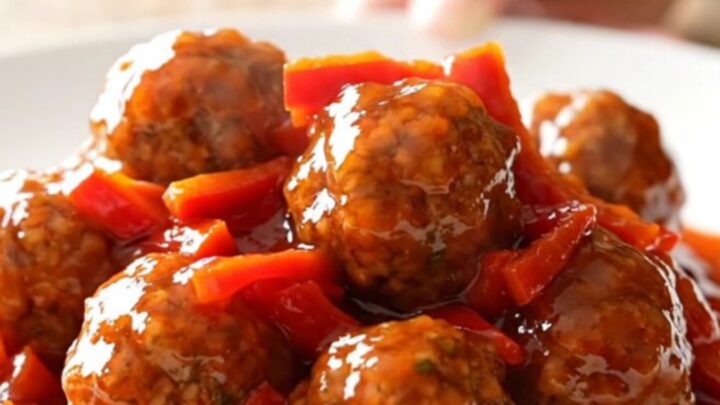
Slow Cooker Pepper Jelly Turkey Meatballs for Parties Tips, FAQ & printable recipe
- Prep
- Cook
- Total
- Serves
- 8
Tips for success
For a more intense flavor, you can sauté the diced bell peppers in a small amount of oil before adding them to the slow cooker, though this is optional.
This extra step provides a deeper, roasted flavor that pairs beautifully with the sweetness of the pepper jelly and the savory nature of the turkey meatballs.
Consider serving these meatballs with bamboo toothpicks on the side to make them easy for guests to grab.
Presentation is key for appetizers, so placing the meatballs in a decorative serving bowl or keeping them in the slow cooker on a warm setting will ensure they stay at the ideal temperature throughout the entire party.
Variations
- Spicy Kick: Add a tablespoon of sriracha or diced jalapeños along with the bell peppers to increase the heat level for those who prefer a spicier appetizer experience.
- Savory Herb: Incorporate a teaspoon of dried thyme or rosemary during the seasoning phase to introduce earthy, aromatic notes that complement the turkey meat perfectly.
Storage and make-ahead
- Fridge
- Store in an airtight container in the refrigerator for up to 3 days.
- Freezer
- Store in a freezer-safe container for up to 2 months. Thaw in the refrigerator before reheating.
- Reheat
- Reheat in a saucepan over medium-low heat until the sauce is bubbly and the meatballs reach 160°F (71°C), or microwave in 1-minute intervals.
Allow any leftovers to cool completely at room temperature, but for no longer than two hours. Once cooled, transfer the meatballs and the sauce into an airtight container and place them in the refrigerator.
Properly stored, they will maintain their quality and flavor for up to three days after the initial preparation.
These meatballs are an excellent make-ahead dish. You can prepare the mixture in the slow cooker and store the entire crock insert in the refrigerator overnight.
When you are ready to serve, simply place the insert back into the heating base and start the cooking cycle, adding an extra 30 minutes to the total time to account for the chilled starting temperature.
Serving ideas
Serve the meatballs warm, straight from the slow cooker or transferred to a chafing dish. Providing a variety of serving options, such as small appetizer plates or individual skewers, allows guests to enjoy the meatballs in a way that suits the formality of your event and the flow of the party.
If you want to add a bit of freshness, a light garnish of chopped green onions or fresh parsley can be sprinkled over the top just before serving. This adds a pop of color and a mild, fresh onion flavor that cuts through the sweetness of the pepper jelly and enhances the overall presentation of the dish.
Frequently asked questions
Can these meatballs be made in a regular pot on the stove?
Is it necessary to thaw the meatballs before cooking?
What should be done if the sauce becomes too thick?
Slow Cooker Pepper Jelly Turkey Meatballs for Parties
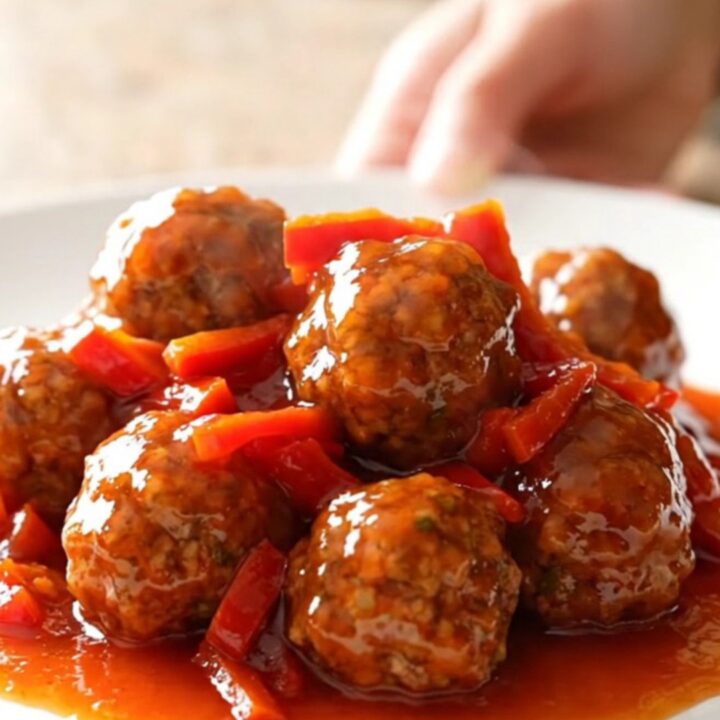
Ingredients
- 24 count frozen precooked turkey meatballs
- 1 cup diced red bell pepper
- 1 tsp red pepper flakes
- 1 cup red pepper jelly
Instructions
- Place the frozen precooked turkey meatballs into the base of the slow cooker, ensuring they are distributed evenly across the bottom for consistent heating throughout the cooking process.
- Scatter the freshly diced red bell pepper over the top of the meatballs, followed by the red pepper flakes to introduce a subtle heat that balances the upcoming sweetness.
- Spoon the red pepper jelly over the ingredients. Cover and cook on low for 3 hours until the meatballs reach an internal temperature of 160°F (71°C) and the glaze is thick and bubbly.
Estimated nutrition per serving
- Calories
- 280
- Protein
- 18 g
- Carbohydrates
- 32 g
- Fat
- 9 g
- Fiber
- 1 g
- Sugar
- 25 g
- Sodium
- 450 mg
Next recipe
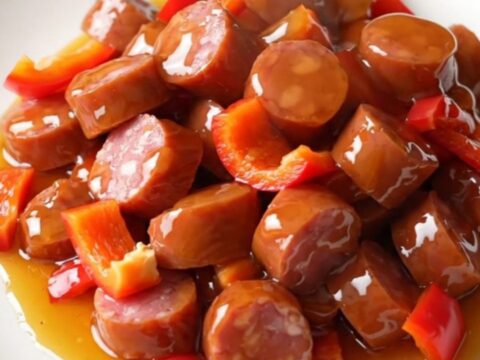
Slow Cooker Hot Honey Kielbasa with Peppers
See the recipe → →This recipe is based on a short cooking video and is published under the pen name Clara Weller. It was checked before publication, but errors can slip through. Nutrition, when shown, is an estimate. Read more in our editorial policy and on our food safety page.
More recipes to try
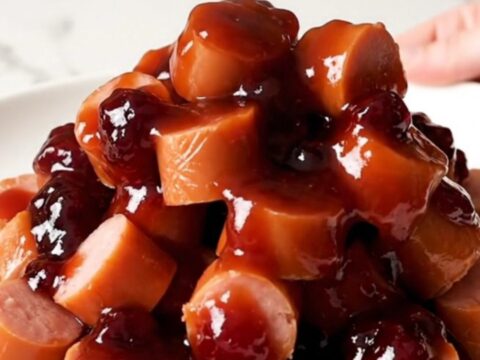
Slow Cooker Grape Jelly BBQ Hot Dog Bites
Total time: 3 h 5 min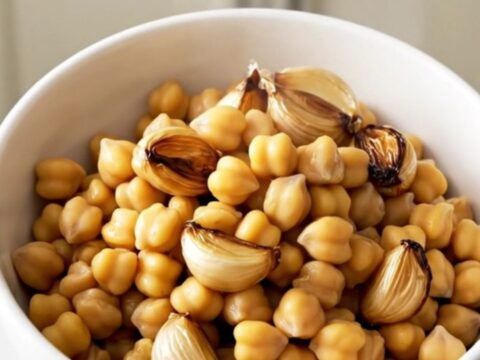
Slow Cooker Confit Chickpeas with Garlic and Olive Oil
Total time: 4 h 5 min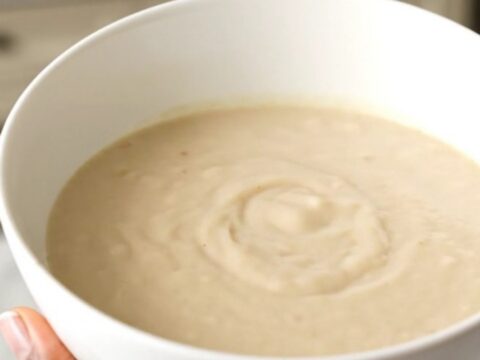
Slow Cooker Parsnip and Pear Velouté
Total time: 4 h 10 min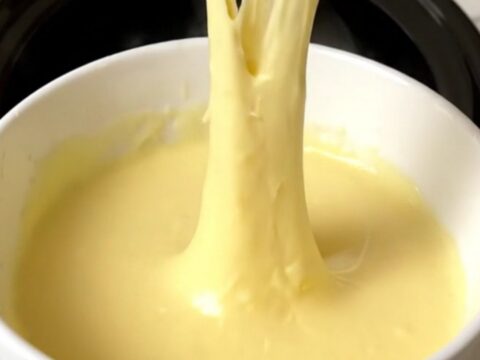
Slow Cooker Three-Cheese Savoyard Fondue for Easy Entertaining
Total time: 2 h 10 min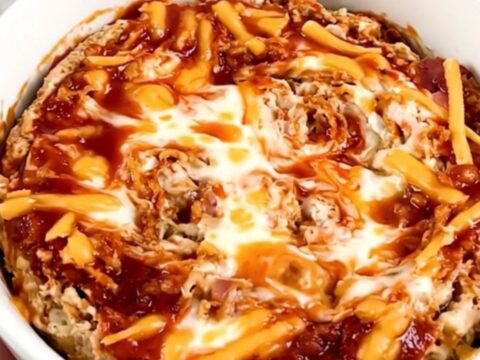
Easy Slow Cooker Cheesy Buffalo Bacon Dip
Total time: 2 h 5 min