Appetizers · Part 2 of 3: Instructions
Slow Cooker Parsnip and Pear Velouté Step-by-step instructions
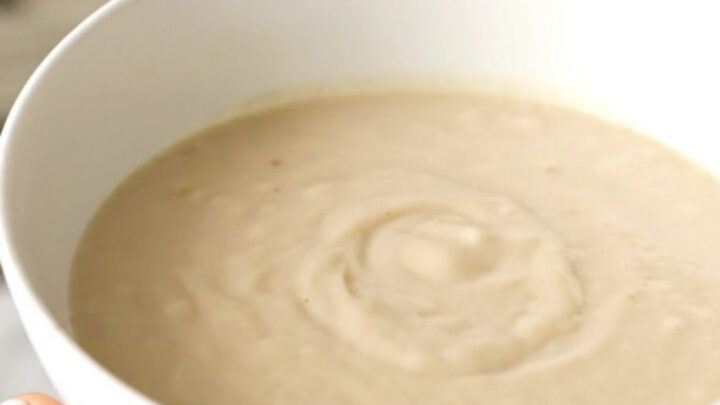
- Prep
- Cook
- Total
- Serves
- 4
Before you start
Before starting, ensure the slow cooker is placed on a level, heat-resistant surface near an electrical outlet. Thoroughly wash the parsnips and pears under cold running water. Peel the parsnips, removing the tough ends, and discard the skins.
Prepare the onion by peeling and trimming the root and stem ends. Have a measuring cup ready for the water and a sturdy cutting board for all prep work. Organizing these ingredients beforehand ensures a seamless transition into the cooking phase.
Ingredients at a glance (5)
- 1 1/2 lb parsnips, peeled and chopped
- 2 pears, cored and diced
- 1 onion, diced
- 1 vegetable bouillon cube, crumbled
- 4 cups water
Instructions
Assembly and Initial Preparation
- Prepare and Combine IngredientsPeel and chop the parsnips into uniform pieces. Core and dice the pears and the onion. Place the parsnip pieces into the base of the slow cooker. Scatter the diced pears and onion over the parsnips. Crumble the vegetable bouillon cube evenly over the top of the vegetables.Look for Ensure the vegetables are distributed evenly in the slow cooker base.Tip Cutting vegetables into similar sizes ensures they cook through at the same rate.
At the end of this phase, the slow cooker should be filled with uniform pieces of parsnips, pears, and onions, with the bouillon distributed across the surface. Everything is ready to be covered and slow-cooked. Check that the slow cooker is securely plugged in and the settings are correctly adjusted to the low heat function before starting the timer.
Slow Cooking Process
- Cook the SoupPour the water over the vegetable mixture in the slow cooker. Cover the slow cooker with its lid and set to cook on low for approximately 4 hours, or until the parsnips are fork-tender. The long, slow cooking process allows the sweetness of the pears and the earthiness of the parsnips to meld perfectly.Look for The parsnips should be very soft when pierced with a fork.Tip Avoid lifting the lid unnecessarily to maintain the internal temperature of the slow cooker.
The soup is ready for the next phase when the kitchen smells aromatic and the vegetables have softened significantly. Upon checking, the parsnips should be tender enough to mash easily against the side of the slow cooker.
The liquid should have absorbed the essence of the vegetables, and the overall mixture should be ready for the final transformation into a smooth velouté.
Blending and Final Presentation
- Blend and ServeOnce the vegetables are completely tender, use an immersion blender directly in the slow cooker to process the mixture into a smooth, velvety velouté. If the soup is too thick, stir in a small amount of additional hot water to reach the desired consistency. Ladle the hot soup into bowls and serve immediately.Look for The soup should reach a smooth, uniform, and creamy texture.Tip Be careful when blending hot liquids to avoid splattering.
The final phase is complete once the mixture is processed into a perfectly smooth, velvety consistency. The soup should have a consistent, creamy appearance with no remaining solids. Confirm that the seasoning is adjusted to preference and that the soup is served while steaming hot, showcasing its elegant texture in a clean, white bowl for the best visual presentation.
Common mistakes
Avoid cutting the parsnips into pieces that are too large, as this will significantly increase the required cooking time and may result in uneven texture. Do not skip the blending step; the velouté relies entirely on being thoroughly pureed to achieve its characteristic silky mouthfeel.
Also, ensure the bouillon is crumbled thoroughly rather than added in a single clump, which helps it dissolve evenly into the water during the initial stages of cooking.
How to tell it’s done
The soup is ready when the parsnips offer no resistance when pierced with a fork or knife. The pears should be completely soft and integrated into the broth.
Since this recipe does not contain protein, there is no internal temperature to monitor, but the soup should be steaming hot throughout before blending. The final texture should be uniform, smooth, and pourable, with no visible chunks of vegetable remaining.
Up next · Part 3 of 3
2 variations · storage & make-ahead · 3 answers · printable card
Tips, FAQ & printable recipe (Part 3)← Back to the ingredients (Part 1)