Dinner · Part 1 of 3: Ingredients
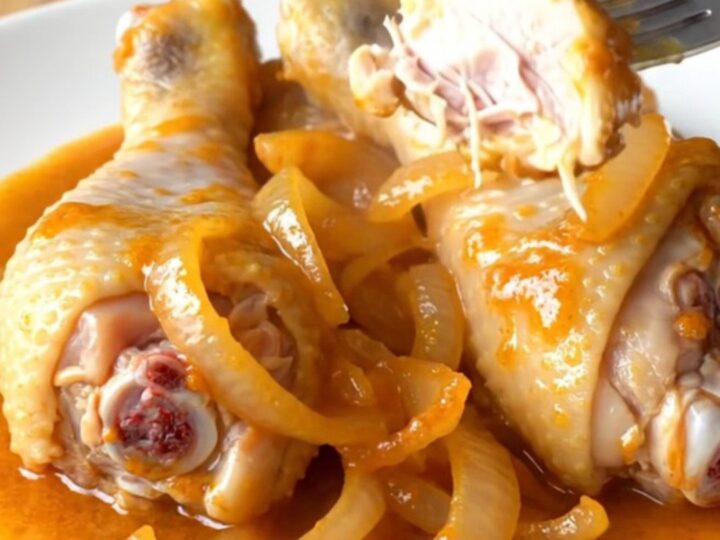
Slow Cooker Orange Soda Chicken Drumsticks
- Prep
- Cook
- Total
- Serves
- 4
Elevate your weeknight dinner rotation with this incredibly simple slow cooker recipe that transforms standard chicken drumsticks into a succulent, flavorful meal with minimal effort. By utilizing the natural sweetness of orange soda combined with aromatic ginger and garlic, this dish creates a rich, syrupy glaze that coats the meat perfectly. It is the ultimate set-it-and-forget-it solution for busy households seeking comfort food that delivers consistent results without needing constant attention or complicated cooking techniques.
This recipe focuses on the magic of slow braising, where the chicken drumsticks become exceptionally tender while absorbing the bright, citrusy notes of the orange soda. The combination of savory aromatics like garlic and ginger cuts through the sweetness, creating a balanced and delicious sauce.
This dish is perfect for those who appreciate a hands-off approach to cooking, allowing the slow cooker to do all the heavy lifting. Whether served over steamed rice or alongside roasted vegetables, these drumsticks are sure to become a favorite staple in the kitchen for anyone looking to simplify their cooking routine while maintaining high flavor standards.
Ingredients
Main Ingredients
- 8 pieces chicken drumsticks, bone-in and skin-on
- 1 medium yellow onion, sliced
- 1 tsp fresh ginger, minced
- 2 cloves garlic, minced
- 1 cup orange soda
Why this recipe works
The slow cooker method is ideal for chicken drumsticks because the low and steady heat gently breaks down the connective tissues, resulting in meat that is incredibly tender and succulent. This cooking style allows the chicken to remain moist throughout the process, preventing the dryness often associated with higher-heat cooking methods.
The continuous cycle of steam and liquid ensures that the flavors of the onion, ginger, and garlic fully penetrate the skin and meat, creating a deeper, more cohesive flavor profile that would be difficult to achieve in a shorter time frame.
Using orange soda as a braising liquid provides a unique base that caramelizes beautifully during the cooking cycle. As the soda reduces, the natural sugars concentrate, thickening into a glossy, flavorful sauce that clings to the chicken.
The acidity in the soda also helps to tenderize the meat, while the carbonation aids in distributing the aromatic notes of the ginger and garlic throughout the slow cooker. This technique relies on the chemical interaction between the sugars, acids, and proteins, resulting in a dish that feels sophisticated yet remains incredibly easy to execute.
Notes and substitutions
When selecting drumsticks, look for pieces that are uniform in size to ensure they cook through at the same rate. Bone-in and skin-on chicken is highly recommended for this recipe, as the bones add depth to the sauce and the skin helps keep the meat moist. While yellow onions are standard, you can experiment with white or red onions if you prefer a sharper or milder bite. Ensure that the ginger and garlic are finely minced to prevent large, woody pieces from disrupting the texture of the finished glaze, as the goal is a smooth, harmonious sauce.
The choice of slow cooker can affect the final result; a standard oval or round slow cooker works perfectly. Avoid lifting the lid during the cooking process, as this releases heat and steam, which increases the cooking time and may result in unevenly cooked chicken.
If you prefer a thicker sauce, you can remove the chicken once cooked and reduce the remaining liquid in a small saucepan over medium-high heat for a few minutes before drizzling it back over the plated dish. This simple step adds a professional touch to the final presentation of the meal.
- Orange soda: Use ginger ale or a mixture of orange juice and a splash of brown sugar for a different flavor profile.
- Fresh ginger: Substitute with 1/4 teaspoon of ground ginger powder if fresh is unavailable.
Equipment
- Slow cooker
- Chef's knife
- Cutting board
Up next · Part 2 of 3
3 steps · 4 h of cooking · what to look for at each stage
Step-by-step instructions (Part 2)