Dinner · Part 2 of 3: Instructions
Slow-Cooker Old Bay Butter Snow Crab and Shrimp Step-by-step instructions
- Prep
- Cook
- Total
- Serves
- 6
Before you start
Before cooking, thaw the snow crab clusters if frozen and pat them dry. Peel and devein the jumbo shrimp, leaving tails on if preferred. Slice the lemons into thin rounds.
Drain the capers. Measure the white wine, garlic butter, and Old Bay. Cook the jasmine rice according to package directions and keep warm. Have a slotted spoon and serving plates ready.
Ingredients at a glance (9)
- 2 lb snow crab clusters
- 2 lb jumbo shrimp, peeled and deveined
- 2 Meyer lemons, sliced
- 1/4 cup capers, drained
- 1/2 cup dry white wine
- 1/2 cup garlic herb butter, melted
- 2 tbsp Old Bay seasoning
- 2 cups cooked jasmine rice, for serving
- Lemon wedges, for serving
Instructions
Layer and Season
- Layer the Seafood and AromaticsPlace the snow crab clusters and jumbo shrimp in the bottom of a 7-quart slow cooker. Arrange the lemon slices over the seafood, then sprinkle with the drained capers. Pour the white wine evenly over everything.Look for The seafood is nestled among lemon slices and capers, with wine pooled at the bottom.Tip If the crab clusters are very large, break them into smaller pieces so they fit comfortably.
- Top with Garlic Butter and Old BayDrizzle the melted garlic herb butter over the seafood, then sprinkle the Old Bay seasoning generously over the top. Use a spoon to lightly toss the ingredients so the seasoning is distributed, but keep the crab clusters intact.Look for The butter and Old Bay create a golden, speckled coating on the seafood.Tip Go easy on the salt — Old Bay and capers are already salty.
The slow cooker insert holds the raw seafood nestled among lemon slices and capers, with white wine pooling at the bottom.
The garlic butter drizzles over the top, and Old Bay creates a reddish-golden crust. The ingredients look vibrant and fresh, ready to transform.
Slow-Cook
- Slow-Cook the SeafoodCover the slow cooker and cook on LOW for 2 hours, or until the shrimp are pink and opaque and the crab is heated through. Do not stir during cooking to keep the crab clusters intact.Look for The butter melts into a fragrant bath, and the seafood gently bubbles.Safe temperature 145°F (63°C) internal temperature (shellfish)Tip Cooking on low keeps the shrimp tender — high heat can make them rubbery.
- Check the ShrimpAfter 2 hours, check that the shrimp are pink and firm to the touch, and the crab meat is hot throughout. The internal temperature of the thickest part of the shrimp should read 145°F (63°C) on an instant-read thermometer.Look for Shrimp are curled and opaque, and the butter bath is bubbling gently.Safe temperature 145°F (63°C) internal temperature (shellfish)Tip If the shrimp are not done, continue cooking in 15-minute increments.
After two hours on low, the slow cooker is bubbling gently. The butter has melted into a fragrant golden bath, and the shrimp are pink and opaque. The aroma of garlic, lemon, and Old Bay fills the kitchen. The crab clusters are steaming and heated through.
Scoop and Serve
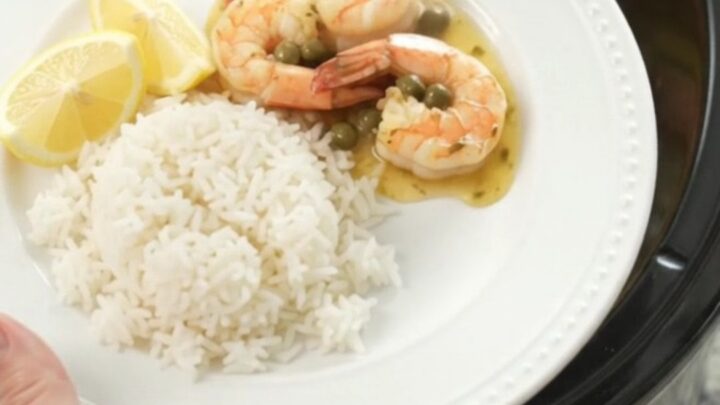
- Scoop and ServeUsing a slotted spoon, lift the crab clusters and shrimp from the butter bath, letting the excess sauce drip off. Serve immediately over steamed jasmine rice, with lemon wedges on the side. Spoon a little of the garlic butter sauce over each portion.Look for Steam rises from the seafood as it is lifted from the golden butter.Tip Serve the sauce on the side for dipping crusty bread, if desired.
Using a slotted spoon, the seafood is lifted from the butter bath, dripping with sauce. The crab clusters are intact, and the shrimp are plump. The jasmine rice is fluffy and ready to soak up the sauce. Lemon wedges add a final bright touch.
Common mistakes
One common mistake is overcooking the shrimp, which makes them rubbery. Stick to the low heat setting and check at the 2-hour mark. Another is stirring the pot during cooking, which can break the crab clusters and cloud the sauce.
Let the ingredients cook undisturbed. Finally, resist the urge to add extra salt—Old Bay and capers are already salty. Taste the sauce before adding any salt.
How to tell it’s done
The dish is done when the shrimp are pink, opaque, and curled, and the crab meat is heated through. The internal temperature of the thickest part of the shrimp should read 145°F (63°C) on an instant-read thermometer.
The butter sauce will be bubbling gently and fragrant with garlic and Old Bay. If the shrimp are still translucent, continue cooking in 15-minute increments until done.
- Shellfish: 145°F (63°C) in the thickest part
Up next · Part 3 of 3
4 variations · storage & make-ahead · 5 answers · printable card
Tips, FAQ & printable recipe (Part 3)← Back to the ingredients (Part 1)