Dinner · Part 3 of 3: Tips & recipe card
Slow Cooker Old Bay Butter Seafood Boil Tips, FAQ & printable recipe
- Prep
- Cook
- Total
- Serves
- 6
Tips for success
For the best flavor, use fresh garlic rather than pre-minced. The garlic should be aromatic but not browned; if it browns, it may become bitter.
If you prefer a spicier boil, add a pinch of cayenne pepper or a few dashes of hot sauce to the butter sauce. You can also add sliced andouille sausage or smoked sausage for extra richness, but this is optional and not shown in the video.
To make the dish even easier, you can use frozen corn on the cob and frozen potatoes, but be aware that frozen potatoes may become mushy.
For a more elegant presentation, serve the seafood boil on a large platter lined with parchment paper and sprinkle with fresh parsley (if desired). The sauce can be thickened with a cornstarch slurry if you like a thicker coating, but the video shows it as a thin, brothy sauce.
Variations
- Spicy Cajun Boil: Add 1-2 teaspoons of cayenne pepper and a few dashes of hot sauce to the butter sauce for extra heat. You can also include sliced andouille sausage for a smoky, spicy flavor.
- Lemon Herb Boil: Replace the Old Bay with a mix of dried thyme, oregano, and lemon zest. Add a sprig of fresh rosemary to the slow cooker for a fragrant, herby twist.
- Garlic Lover's Boil: Increase the garlic to 10 cloves and add a tablespoon of garlic powder to the sauce. For an extra punch, stir in a spoonful of roasted garlic paste just before serving.
- Vegetarian Boil: Omit the seafood and use extra corn, potatoes, and add chunks of hearty vegetables like carrots and bell peppers. Use vegetable broth instead of butter, or use plant-based butter to keep it dairy-free.
Storage and make-ahead
- Fridge
- Store leftovers in an airtight container in the refrigerator for up to 3 days. Reheat gently to avoid overcooking the shrimp.
- Freezer
- Freeze leftovers in a freezer-safe container for up to 2 months. Thaw overnight in the refrigerator before reheating.
- Reheat
- Reheat in a skillet over medium heat with a splash of water or broth to loosen the sauce, or microwave in 30-second bursts until warm.
Store any leftovers in an airtight container in the refrigerator for up to 3 days. The seafood and vegetables will continue to absorb the sauce, so they may become more seasoned. Reheat gently in a skillet or microwave until warmed through, but be careful not to overcook the shrimp. The sauce can be saved separately and used for dipping bread or spooning over rice.
You can assemble the slow cooker with all the ingredients and the sauce the night before, then store it covered in the refrigerator. In the morning, simply place the slow cooker insert in the base and cook on low for 4 hours. This makes it an excellent meal for busy days. The sauce can also be made ahead and stored in the refrigerator for up to 3 days.
Serving ideas
Serve the seafood boil directly from the slow cooker to keep it warm, or transfer to a large platter for a more formal presentation. Provide small bowls for the discarded shells and plenty of napkins.
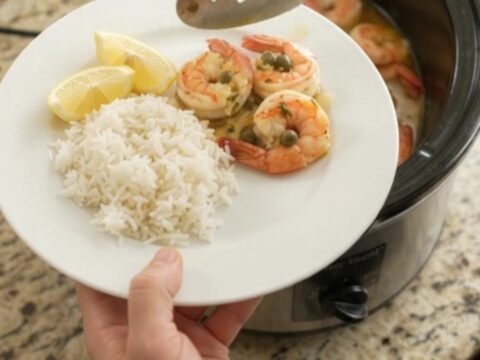
Steamed white rice is a classic accompaniment, soaking up the flavorful butter sauce. Lemon wedges are essential to brighten the rich flavors. A crusty baguette or cornbread would also be delicious for dipping into the sauce.
For a complete meal, consider adding a simple green salad or coleslaw on the side. The dish is hearty and satisfying on its own, but the freshness of a salad balances the richness.
If you have guests, set out crab crackers and small forks for easy eating. The sauce is the star, so be sure to spoon extra over each serving. This is a communal dish that invites sharing and casual enjoyment.
Frequently asked questions
Can frozen seafood be used directly in the slow cooker?
How can the spice level be adjusted?
What is the best way to reheat leftovers without overcooking the shrimp?
Can other vegetables be added to this boil?
Why is the sauce thin, and can it be thickened?
Slow Cooker Old Bay Butter Seafood Boil
Ingredients
- 2 lb snow crab leg clusters
- 2 lb raw jumbo shrimp, peeled and deveined
- 4 ears sweet corn, halved
- 1 1/2 lb baby red bliss potatoes
- 1 cup unsalted butter
- 6 cloves garlic, minced
- 3 tbsp Old Bay seasoning
- 2 tbsp fresh lemon juice
Instructions
- Place the snow crab leg clusters and raw jumbo shrimp in the bottom of a 6-quart slow cooker. Arrange the halved sweet corn ears and baby red bliss potatoes around and over the seafood, tucking them in so everything fits snugly.
- In a small saucepan over medium heat, melt the butter with the minced garlic, Old Bay seasoning, and lemon juice. Stir until the garlic is fragrant and the Old Bay is dissolved, about 2 minutes. Remove from heat.
- Pour the garlic butter sauce evenly over the seafood and vegetables in the slow cooker. Use a spoon or spatula to gently toss the ingredients so the sauce coats everything, but be careful not to break the crab legs.
- Cover the slow cooker and cook on low for 4 hours, or until the shrimp are pink and opaque and the potatoes are fork-tender. Do not lift the lid during the first 3 hours to keep the heat steady.
- Using an instant-read thermometer, check that the thickest part of the shrimp reads at least 145°F (63°C). The crab legs should be hot and steamy. The potatoes should be easily pierced with a fork.
- Turn off the slow cooker and let the seafood boil rest, covered, for 5 minutes. This allows the flavors to meld and the seafood to absorb more of the garlic butter sauce.
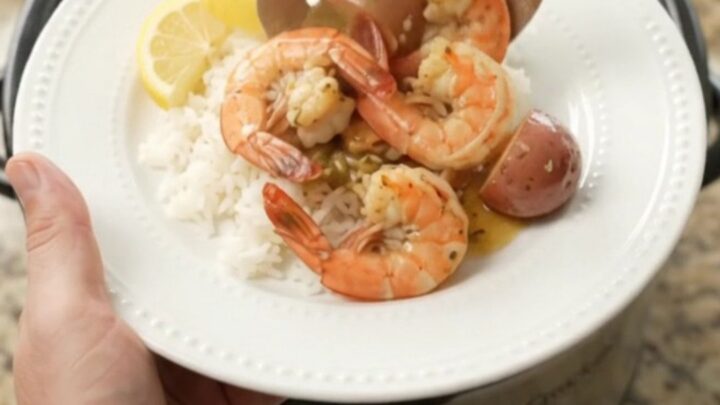
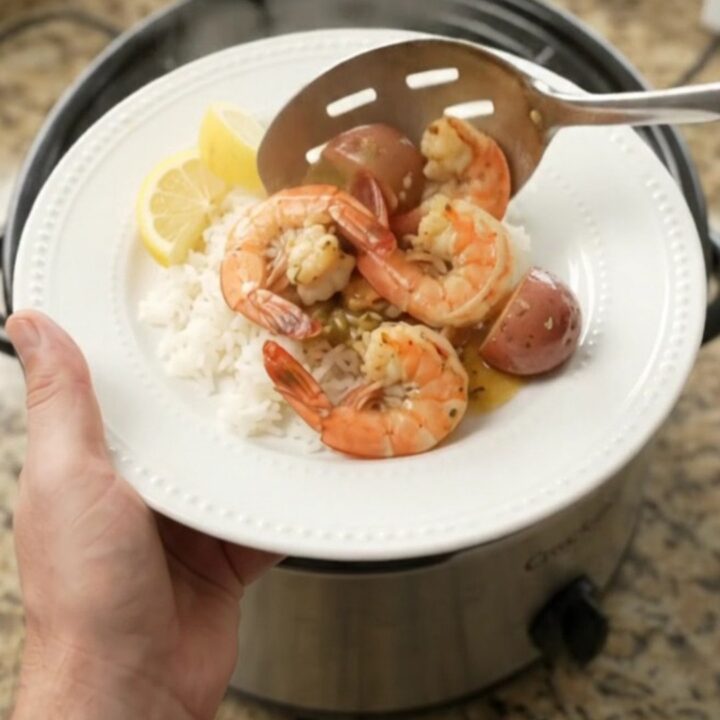
- Using a slotted spoon, lift the seafood, corn, and potatoes out of the slow cooker and onto a large serving platter or individual plates. Spoon some of the remaining garlic butter sauce over the top. Serve with steamed rice and lemon wedges on the side.
Estimated nutrition per serving
- Calories
- 520
- Protein
- 38 g
- Carbohydrates
- 38 g
- Fat
- 25 g
Next recipe
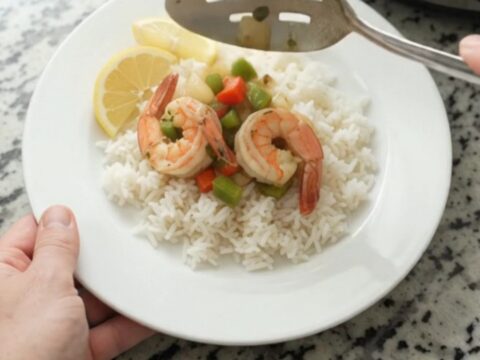
Slow-Cooker Herb Butter Bell Pepper Jumbo Shrimp
See the recipe → →This recipe is based on a short cooking video and is published under the pen name Clara Weller. It was checked before publication, but errors can slip through. Nutrition, when shown, is an estimate. Read more in our editorial policy and on our food safety page.
More recipes to try
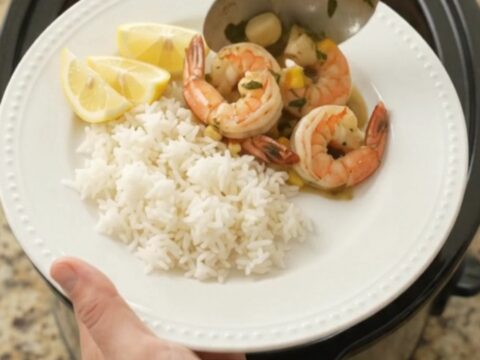
Crockpot Herb Butter Garlic Corn Jumbo Shrimp
Total time: 2 h 10 min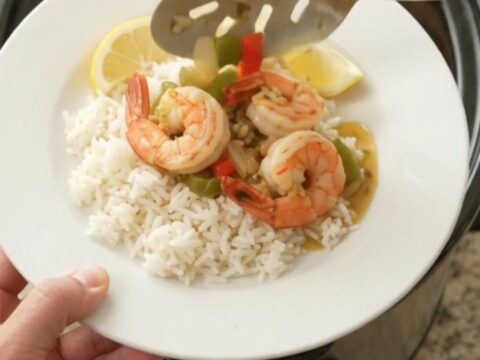
Old Bay Butter Garlic Shrimp Crockpot
Total time: 2 h 10 min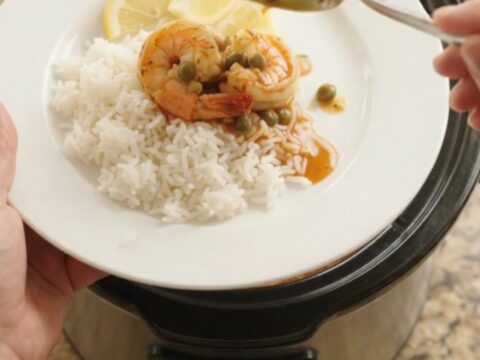
Bayou Butter Lemon Capers Jumbo Shrimp (Crockpot)
Total time: 2 h 10 min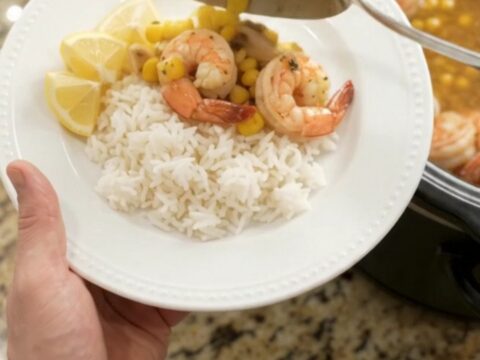
Old Bay Butter Garlic Corn Jumbo Shrimp Crockpot Recipe
Total time: 2 h 10 min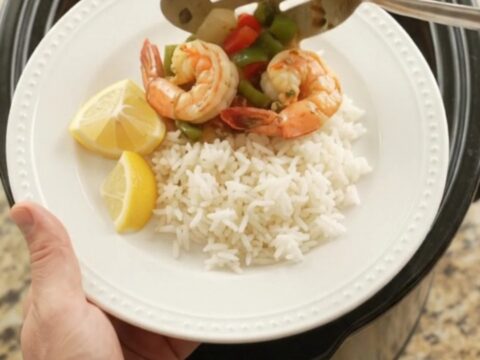
Chili Lime Butter Jumbo Shrimp Crockpot Dinner
Total time: 2 h 10 min