Dinner · Part 1 of 3: Ingredients
Slow-Cooker Moroccan Lamb and Chickpea Stew
- Prep
- Cook
- Total
- Serves
- 6
Unlock the secrets of Moroccan-inspired comfort food with this incredibly simple slow-cooker lamb stew. By combining succulent, spice-rubbed lamb shoulder with the sweetness of dried apricots and the earthy depth of chickpeas, this recipe offers a sophisticated dining experience with minimal effort.
It is the ideal solution for busy weeknights when a complex, flavorful meal is desired without the need for constant kitchen supervision, allowing the slow cooker to do the hard work while you attend to your day.
This Moroccan-style lamb stew leverages the gentle, consistent heat of a slow cooker to transform tougher cuts of meat into tender, melt-in-your-mouth perfection. The combination of ras el hanout, a complex North African spice blend, and harissa provides a balanced profile of warming spices and a subtle, smoky heat.
The addition of chickpeas and apricots introduces a classic North African sweet-and-savory contrast, creating a hearty, textured dish that pairs beautifully with fluffy couscous. This recipe is designed for ease, relying on the 'dump-and-go' method to deliver restaurant-quality results at home.
Ingredients
Stew Ingredients
- 2.5 lb lamb shoulder, cubed
- 2 cans chickpeas, drained
- 1/2 cup dried Turkish apricots, diced
- 14 oz fire-roasted tomatoes
- 2 tbsp ras el hanout
- 1 tbsp harissa paste
- 3 cups beef stock
Finishing
- 1 tbsp fresh lemon juice
- 1 tsp honey
Serving
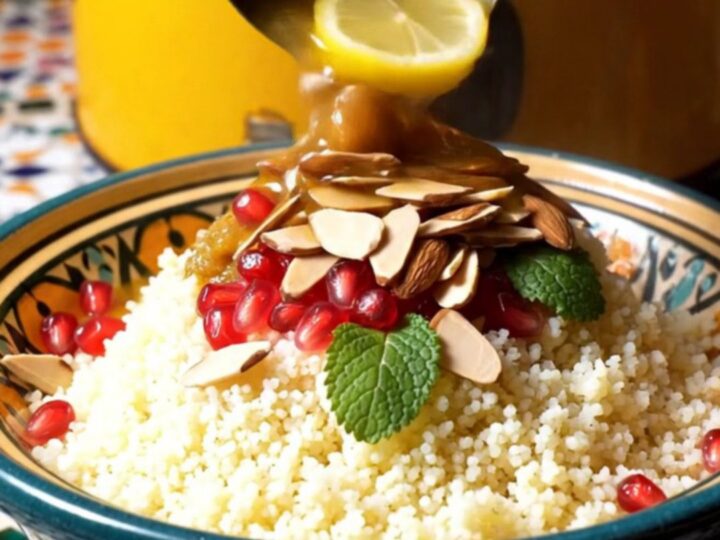
- cooked couscous, for serving
- toasted slivered almonds, for serving
- pomegranate seeds, for serving
- fresh mint leaves, for serving
Why this recipe works
The slow-cooking method is essential for collagen-rich cuts like lamb shoulder. Over seven hours on a low setting, the connective tissues gradually break down into gelatin, which thickens the sauce and ensures the meat becomes incredibly tender.
This process allows the bold spices to permeate the lamb, resulting in a depth of flavor that is difficult to achieve with faster cooking methods.
By using fire-roasted tomatoes and harissa paste, the base of the stew gains a smokiness that complements the ras el hanout.
The chickpeas act as a sponge for these concentrated flavors, while the apricots provide a subtle sweetness that balances the acidity of the tomatoes. This synergy of ingredients creates a multi-dimensional sauce that elevates a simple stew into a memorable main course.
Notes and substitutions
Ras el hanout is a versatile blend, typically containing a mix of cardamom, clove, cinnamon, ginger, nutmeg, and black pepper. If you cannot find a commercial blend, you can approximate it by combining equal parts of these spices. Ensure that your harissa paste is not overly spicy if you prefer a milder profile, as heat levels can vary significantly between different formulations.
When selecting a slow cooker, ensure it is large enough to accommodate the volume of the stew without being filled to the brim. A 6-quart cooker is ideal for this recipe. If you prefer a thinner consistency, you can adjust the amount of beef stock, but keep in mind that the tomatoes and lamb will release their own juices during the long cooking process.
- lamb shoulder: beef chuck roast or mutton
- ras el hanout: a mixture of cumin, coriander, cinnamon, and turmeric
- dried Turkish apricots: dried prunes or golden raisins
Equipment
- Slow cooker
- Ladle
- Chef knife
- Cutting board
- Serving bowl
Up next · Part 2 of 3
3 steps · 7 h of cooking · what to look for at each stage
Step-by-step instructions (Part 2)