Dinner · Part 1 of 3: Ingredients
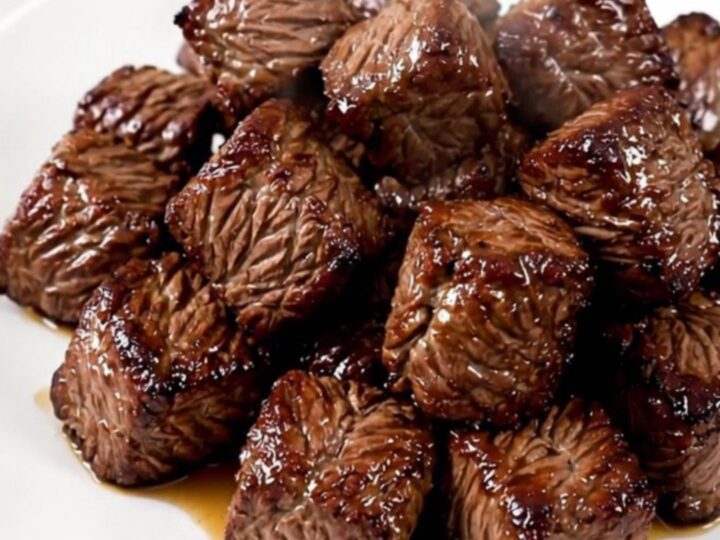
Slow Cooker Montreal Steak Bites for Easy Weeknight Dinners
- Prep
- Cook
- Total
- Serves
- 4
Transform humble ingredients into a restaurant-quality meal without spending your entire evening standing over a hot stove. This slow cooker recipe delivers tender, flavor-packed steak bites that practically cook themselves while you focus on other tasks.
It is the ultimate solution for busy families or anyone looking to enjoy a savory dinner with minimal effort and cleanup. Simply add the components, set the time, and prepare for a delicious experience that brings comfort and ease to your dining table every single time.
These slow cooker steak bites bring a burst of classic, savory flavor to your weeknight routine. By combining high-quality sirloin with earthy mushrooms and a bold, peppery seasoning blend, you create a dish that is both sophisticated and incredibly simple to prepare.
The gentle, low-heat cooking environment of the slow cooker allows the beef to become remarkably tender while absorbing the deep, umami notes from the Worcestershire sauce. Whether you are planning a relaxed dinner or need a reliable recipe for a busy schedule, these steak bites offer a consistent, mouthwatering result that satisfies every time.
Ingredients
- 2 lb beef sirloin steak, cut into 1-inch cubes
- 8 oz whole cremini mushrooms
- 2 tbsp Montreal steak seasoning
- 1/4 cup Worcestershire sauce
Why this recipe works
The slow cooker method is ideal for beef because the prolonged, low-temperature cooking process allows connective tissues to break down gradually. This results in a much more tender texture than high-heat methods might achieve with certain cuts. By keeping the lid closed, you also trap moisture inside, ensuring that the meat stays succulent and juicy throughout the entire cooking duration, creating a rich sauce from the combined juices.
Furthermore, this preparation method encourages the development of complex flavors as the ingredients meld together over several hours. The Montreal steak seasoning, which typically contains a robust mix of garlic, onion, and coarse black pepper, infuses the meat deeply.
Because the mushrooms release their own liquid, they help create a natural, flavorful broth that enhances the overall profile of the dish without needing any additional thickening agents or complex steps.
Notes and substitutions
When selecting your beef, look for sirloin that is well-marbled, as this provides the best balance of tenderness and flavor. If you prefer a leaner option, top round can work, though it may require slightly more attention to ensure it does not become tough.
Always cut your meat into uniform one-inch cubes to ensure they cook at the same rate, preventing some pieces from becoming overcooked while others remain underdone during the slow cooking process.
The choice of mushrooms can also impact the final dish. Cremini mushrooms are recommended for their deeper, earthier flavor compared to standard white button mushrooms, which pair beautifully with the bold notes of the Montreal seasoning. If you are sensitive to salt, consider using a reduced-sodium Worcestershire sauce or a lower-sodium seasoning blend, as these ingredients provide the majority of the seasoning profile for the entire dish.
- Sirloin steak: Chuck roast or top round steak cut into uniform cubes
- Cremini mushrooms: White button mushrooms
Equipment
- Slow cooker
- Knife
- Cutting board
- Measuring cups
- Measuring spoons
Up next · Part 2 of 3
3 steps · 4 h of cooking · what to look for at each stage
Step-by-step instructions (Part 2)